

Methods of Distiller's Grain Conveyance
Distiller's grain, a byproduct of the ethanol production process, requires efficient and reliable conveyance systems to ensure smooth operation in industrial settings. The choice of conveyance method depends on several factors, including the material characteristics, production scale, and operational environment. For businesses in the distilling industry, understanding the available options is crucial for optimizing workflow and maintaining productivity.
Understanding Distiller's Grain and Its Conveyance Needs

Distiller's grain, also known as wet distiller grains (WDG) or dried distiller grains (DDG), is a nutrient-rich feed ingredient derived from the fermentation and distillation of grains like corn. Its high moisture content and bulk density make it challenging to handle, necessitating specialized equipment for safe and effective transport. The primary goal of any conveyance system is to move this material from one processing stage to another without degradation, loss, or contamination. This section explores the key factors that influence the selection of conveyance methods for distiller's grain.
Common Conveyance Methods for Distiller's Grain
Several conveyance technologies are commonly employed in the distilling industry to transport distiller's grain. Each method has its advantages and is suited to different operational requirements. The most prevalent options include screw conveyors, belt conveyors, and pneumatic conveyors. Below is a detailed overview of each, highlighting their applications and benefits.
Screw Conveyors: A Traditional and Versatile Solution
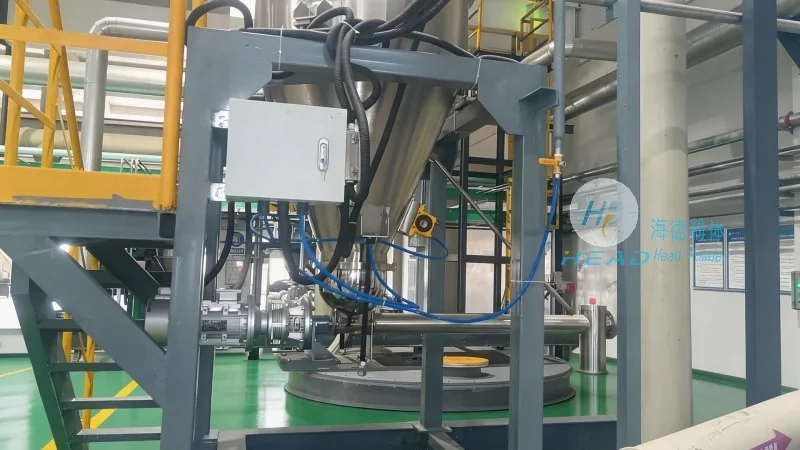
Screw conveyors, also known as auger conveyors, are one of the most widely used methods for conveying distiller's grain. These systems consist of a rotating helical screw inside a trough or tube, which moves material forward through the system. Screw conveyors are particularly effective for handling granular or semi-solid materials like distiller's grain, as they can transport material vertically, horizontally, or at an incline. The key advantages of screw conveyors include their simplicity, low maintenance requirements, and ability to operate in a closed system, which helps maintain hygiene and prevent dust emissions. For distilling plants, screw conveyors are often used to transfer wet distiller's grain from the stillage tank to drying equipment or to move dried distiller's grain (DDG) between storage silos and feed mills.
Belt Conveyors: High-Capacity and Versatile Transport
Belt conveyors are another popular choice for distiller's grain conveyance, especially in large-scale operations. These systems use a continuous belt that moves over rollers or pulleys to transport material. Belt conveyors are known for their high capacity and ability to handle a wide range of materials, including bulkier or more irregularly shaped distiller's grain. They are particularly effective for horizontal or slightly inclined transport over long distances. The primary benefits of belt conveyors include their durability, low power consumption, and adaptability to various load conditions. In distilling facilities, belt conveyors are often employed to move wet distiller's grain from the fermentation tanks to the drying area or to transport DDG from storage to processing lines. They can also be equipped with side-walls or load zones to prevent material spillage and ensure efficient transfer.
Pneumatic Conveyors: Efficient and Dust-Free Transport
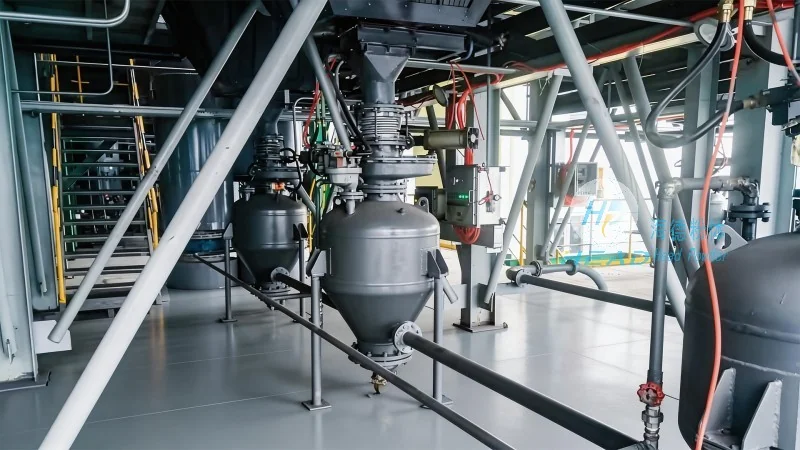
Pneumatic conveyors use air pressure to move distiller's grain through a pipeline system. This method is particularly advantageous for applications requiring dust-free or enclosed transport, as it prevents material from being exposed to the environment. Pneumatic conveyors can be either positive displacement or pressure-type systems, depending on the specific needs of the operation. Positive displacement systems use a pump to create a vacuum or pressure to move material, while pressure systems rely on compressed air to push the material through the pipeline. The key benefits of pneumatic conveyors include their ability to transport material over long distances, their compact design, and their effectiveness in preventing contamination and odor spread. However, they may require higher energy input and more maintenance compared to other methods. Pneumatic conveyors are commonly used in distilling plants to move wet distiller's grain from the stillage tank to the drying equipment or to transport DDG from storage to feed mills, especially in applications where hygiene and dust control are critical.

Factors to Consider When Choosing a Conveyance System
When selecting a conveyance system for distiller's grain, several factors must be carefully evaluated to ensure optimal performance and cost-effectiveness. The first consideration is the material characteristics, including moisture content, bulk density, and particle size. Wet distiller's grain has higher moisture content and is more prone to caking, which may affect the efficiency of certain conveyors. Dried distiller's grain, on the other hand, is more stable and can be handled by a wider range of systems. The second factor is the production scale and throughput requirements. Large-scale distilling operations may require high-capacity systems like belt conveyors or multiple screw conveyors, while smaller operations may opt for simpler, more compact solutions. The third factor is the operational environment, including space constraints, noise levels, and environmental regulations. For example, in facilities located near residential areas, pneumatic conveyors may be preferred to minimize noise and dust emissions. The fourth factor is the cost of installation, operation, and maintenance. Each conveyance method has associated costs, and the choice should balance performance with budget constraints. Finally, the compatibility with existing infrastructure and the ability to integrate with other processing equipment are also important considerations. A well-designed conveyance system should seamlessly connect with other parts of the distilling process, such as drying, storage, and packaging, to ensure smooth workflow and maximize overall efficiency.