

Types of Slip Powder Conveying Methods: An Overview of the Advantages and Features of Pneumatic Conv
Slip powder, a widely used industrial material, requires efficient and reliable conveying methods to ensure smooth operations in various production processes. The choice of conveying system significantly impacts productivity, material quality, and operational costs. This article explores the different methods available for slip powder transport, with a particular focus on the advantages and characteristics of pneumatic conveying as a modern solution.

Introduction to Slip Powder Conveying Methods
Conveying slip powder involves moving the material from one location to another within a facility or between different stages of production. Traditional methods such as belt conveyors, screw conveyors, and bucket elevators have been used for decades. However, these systems often face challenges like material degradation, contamination, and high maintenance requirements. As industries seek more efficient and hygienic solutions, advanced technologies like pneumatic conveying have gained prominence.
Overview of Conventional Conveying Approaches
Belt conveyors are commonly used for bulk material handling, but they may not be suitable for fine powders like slip powder due to issues like dust generation and material segregation. Screw conveyors, while effective for dry powders, can cause excessive friction and heat, potentially affecting the quality of slip powder. Bucket elevators are used for vertical transport but require regular maintenance and may not handle fine powders without additional measures. These conventional methods, while established, often present limitations in terms of material handling efficiency and environmental impact.
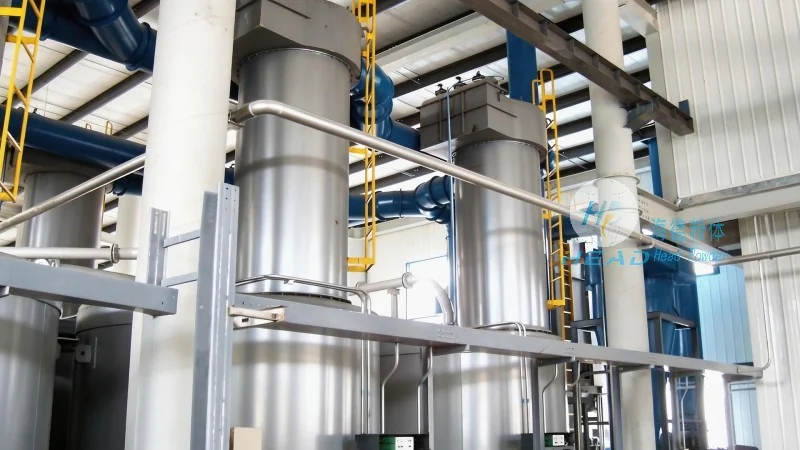
Pneumatic Conveying: Advantages and Features for Slip Powder
Pneumatic conveying, also known as air conveying, utilizes compressed air to transport powders through a pipeline system. This method offers several advantages for slip powder, including high efficiency, flexibility, and minimal material degradation. The key features of pneumatic conveying systems include:
Efficient Material Transport: Pneumatic systems can move slip powder over long distances with minimal energy consumption compared to mechanical conveyors.
Clean and Hygienic Operation: The enclosed pipeline design prevents dust contamination and ensures compliance with industrial hygiene standards, which is crucial for slip powder used in food, pharmaceutical, and cosmetic applications.
Reduced Maintenance: Unlike mechanical systems that require regular lubrication and part replacement, pneumatic conveying systems have fewer moving parts, leading to lower maintenance costs and downtime.
Flexibility in Layout: The modular design of pneumatic systems allows for easy integration into existing production lines and adaptation to changing operational needs.
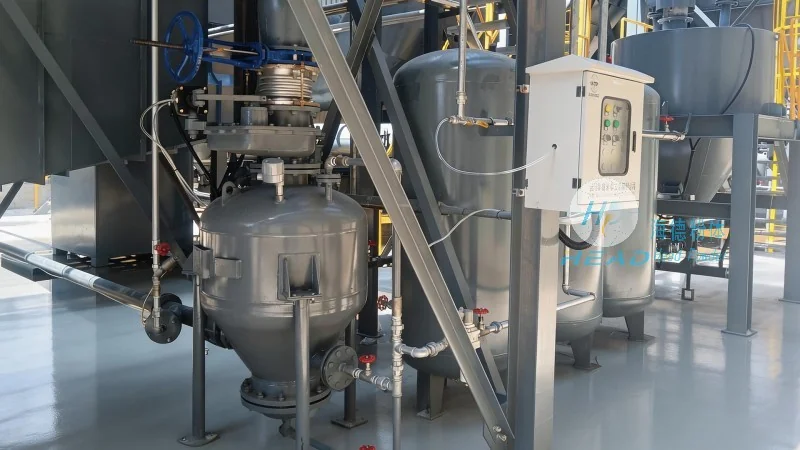
Low Material Degradation: The gentle handling of powders in pneumatic systems minimizes particle breakage and agglomeration, preserving the quality and properties of slip powder.
Company Profile: Shandong HeadPowder Engineering Co., Ltd.
Shandong HeadPowder Engineering Co., Ltd., a leading provider of specialized engineering solutions, specializes in the design, manufacturing, and installation of advanced conveying systems for industrial powders. With a strong focus on innovation and customer satisfaction, the company has established itself as a trusted partner in the slip powder processing industry. HeadPowder's expertise lies in developing customized pneumatic conveying solutions that meet the unique requirements of each client, ensuring optimal performance and reliability.
HeadPowder is committed to delivering high-quality products and services, with a dedicated team of engineers and technicians who bring years of experience to every project. The company's facilities are located in Shandong, China, where it leverages local resources and expertise to support its global clientele. By combining advanced technology with practical application, HeadPowder continues to set new standards in the field of slip powder conveying and processing.