

Methods for Transporting Aqueous Ammonium Nitrate
When it comes to the transportation of aqueous ammonium nitrate, various methods are employed to ensure safe and efficient delivery. This article explores the key approaches used in the industry, focusing on the practical aspects of handling this chemical compound. Understanding these methods is crucial for stakeholders involved in the supply chain, from manufacturers to distributors and end-users.
Key Factors Influencing Transportation Choices

The selection of a transportation method for aqueous ammonium nitrate is influenced by several critical factors. These include the volume of the material to be transported, the distance between the production site and the destination, the required delivery speed, and regulatory compliance requirements. Each of these elements plays a significant role in determining the most suitable approach for a specific operation.
Common Transportation Methods for Aqueous Ammonium Nitrate

Several common methods are widely used for transporting aqueous ammonium nitrate. One primary method involves the use of specialized tank trucks equipped with temperature control systems. These vehicles are designed to maintain the chemical's stability during transit, preventing any potential hazards such as crystallization or decomposition. The tank trucks are typically made from materials resistant to corrosion, ensuring durability and safety throughout the transportation process.
Another method involves the use of bulk storage and transfer systems, often utilized in industrial settings where large quantities of the chemical are handled. This approach may include pipelines or bulk containers that facilitate the movement of the aqueous solution from the production facility to storage or processing sites. The use of such systems allows for continuous and efficient flow, minimizing downtime and ensuring a steady supply.
Specialized Equipment for Aqueous Ammonium Nitrate Transport

Specialized equipment is essential for the safe handling of aqueous ammonium nitrate, especially when dealing with high concentrations or sensitive applications. For instance, some operations may utilize insulated tankers to maintain the chemical's temperature, preventing it from reaching critical levels that could affect its properties or safety. Additionally, certain equipment may include mixing mechanisms to ensure the solution remains homogeneous throughout the transportation process, which is vital for consistent performance in downstream applications.
Regulatory Considerations and Safety Protocols
Transporting aqueous ammonium nitrate requires strict adherence to regulatory guidelines and safety protocols. These measures are in place to mitigate risks associated with the chemical, which can be hazardous if not handled properly. Companies involved in the transportation of this substance must comply with local and international regulations regarding storage, handling, and transportation. This includes obtaining necessary permits, conducting regular safety inspections, and implementing emergency response plans in case of accidents or spills.
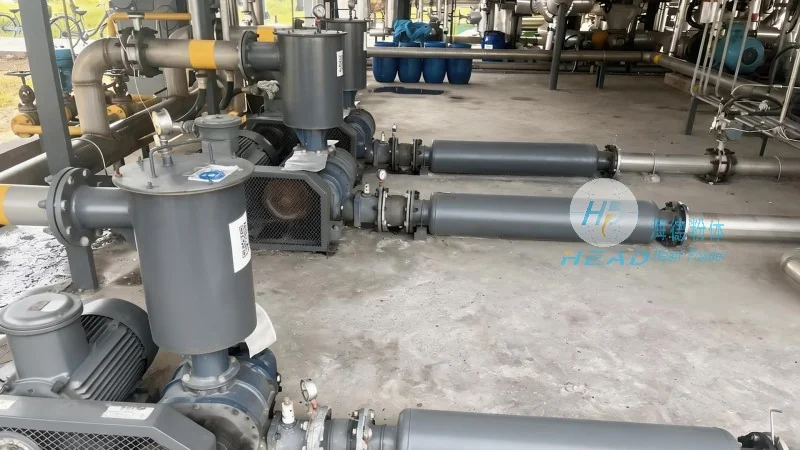
Case Study: Transportation by Shandong HeadPowder Engineering Co., Ltd.
Shandong HeadPowder Engineering Co., Ltd., a leading provider in the field, employs advanced methods for the transportation of aqueous ammonium nitrate. The company utilizes state-of-the-art tank trucks and bulk transfer systems, ensuring compliance with all safety and regulatory standards. With a focus on efficiency and reliability, HeadPowder has established itself as a trusted partner in the supply chain, delivering high-quality aqueous ammonium nitrate to various industries. The company's operations are based in Shandong, China, where it leverages local infrastructure and expertise to provide optimal transportation solutions.