

Comparison of Common Glass Fiber Powder Conveying Methods
For industrial applications involving glass fiber powder, selecting the appropriate conveying method is crucial for efficiency, material integrity, and operational safety. This article provides a detailed comparison of common glass fiber powder conveying techniques, focusing on their mechanisms, advantages, and typical applications. The information is presented by Shandong HeadPowder Engineering Co., Ltd., a leading provider of powder handling solutions based in China.

Overview of Key Conveying Methods
Various methods are employed to transport glass fiber powder from one location to another. The primary options include pneumatic conveying, screw conveyors, and bucket elevators. Each method has distinct characteristics that make it suitable for different operational requirements and material properties.
Pneumatic Conveying Systems
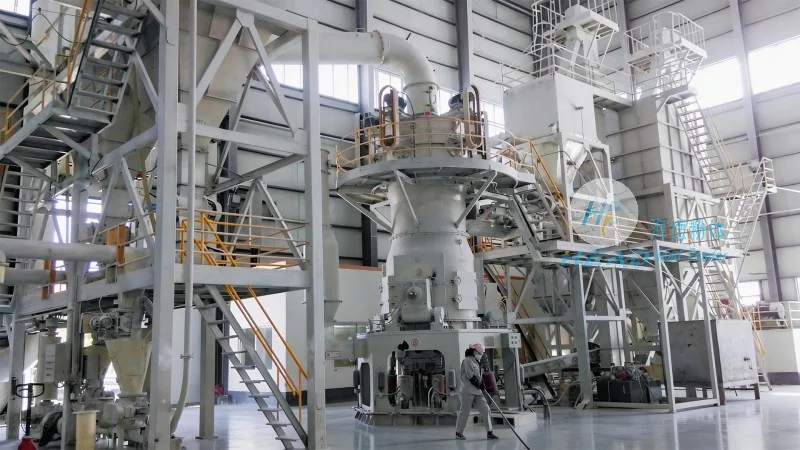
Pneumatic conveying, also known as air conveying, is a widely used method for transporting glass fiber powder due to its ability to handle fine powders and maintain material cleanliness. This system operates by using compressed air to move the powder through a pipeline. There are two main types: pressure and vacuum systems. Pressure systems use positive pressure to push the powder forward, while vacuum systems use negative pressure to pull it. The choice between these depends on the distance and volume of material to be conveyed. Pneumatic conveying is particularly effective for glass fiber powder because it minimizes dust exposure and reduces the risk of material degradation. Shandong HeadPowder Engineering Co., Ltd. specializes in designing and manufacturing custom pneumatic conveying solutions tailored to specific industrial needs.
Screw Conveyors
Screw conveyors, or auger conveyors, are another common method for transporting glass fiber powder. These systems use a rotating screw (auger) to move the material along a trough. Screw conveyors are suitable for horizontal or slightly inclined applications and are known for their simplicity and reliability. They are particularly effective for handling bulk quantities of glass fiber powder and can be integrated with other processing equipment. The design of the screw and trough can be customized to accommodate different powder characteristics, such as particle size and moisture content. Screw conveyors are often used in combination with other conveying methods to form a complete material handling system.
Bucket Elevators
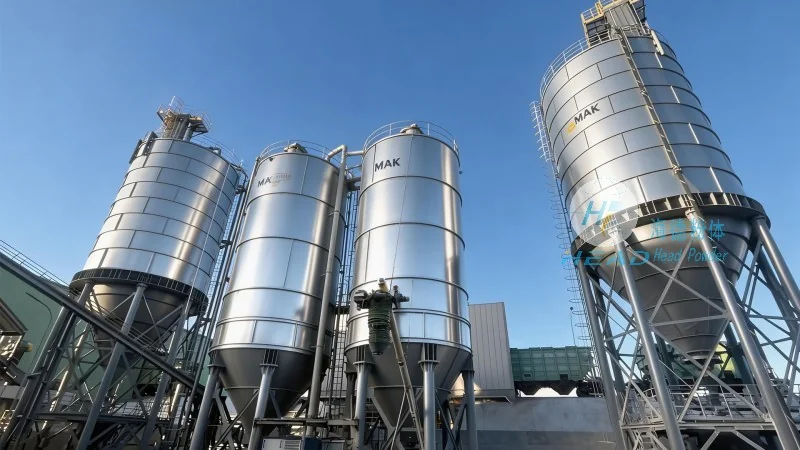
Bucket elevators are vertical or inclined conveyors that use a chain or belt with attached buckets to lift and transport glass fiber powder. This method is ideal for applications requiring vertical transport over significant heights. Bucket elevators are capable of handling a wide range of materials, including glass fiber powder, and can operate at high speeds. They are commonly used in industries where vertical space is limited and where the material needs to be elevated to a higher level. The design of the bucket elevator, including the bucket spacing and chain speed, can be optimized to ensure efficient and gentle handling of the powder, minimizing breakage and dust generation.
Factors Influencing Conveying Method Selection
The choice of conveying method for glass fiber powder depends on several factors, including the material's properties, the distance and height of the transport, the required flow rate, and the overall system cost. Material properties such as particle size, moisture content, and flowability are critical considerations. For example, fine glass fiber powders may require pneumatic conveying to prevent clogging, while larger particles might be better suited for screw conveyors. The distance and height of the transport also play a role; pneumatic systems are often preferred for long horizontal distances, while bucket elevators are more suitable for vertical lifts. The required flow rate and production capacity also influence the system design, as higher flow rates may necessitate larger conveyor components or multiple parallel lines.
Advantages and Limitations of Each Method
Each conveying method has its own set of advantages and limitations. Pneumatic conveying offers advantages such as minimal material degradation, easy integration with other equipment, and the ability to handle fine powders. However, it may require higher energy input and can be less efficient for very long distances. Screw conveyors are cost-effective and reliable for horizontal transport but may cause more material degradation due to friction and compression. Bucket elevators are efficient for vertical transport but can be more expensive to install and maintain. Shandong HeadPowder Engineering Co., Ltd. considers these factors when recommending the most suitable conveying method for a specific application, ensuring optimal performance and cost-effectiveness.