

Common Soybean Meal Conveying Methods: Advantages and Features of HeadPowder's Pneumatic Conveying System
Soybean meal, a vital byproduct of soybean processing, is widely utilized in animal feed, food production, and industrial applications. Efficient and reliable conveying of soybean meal is crucial for maintaining product quality and operational efficiency in processing facilities. Various conveying methods are employed in the industry, each with distinct advantages and limitations. Understanding these methods aids businesses in selecting the most suitable option for their specific operational needs.

Traditional Conveying Methods and Their Limitations
Traditional conveying methods for soybean meal include belt conveyors, screw conveyors, and bucket elevators. Belt conveyors are commonly used for horizontal or slight incline transport, yet they may suffer from material spillage and contamination risks, especially with fine powders like soybean meal. Screw conveyors are effective for vertical or inclined transport but can cause product degradation due to friction and compression. Bucket elevators are suitable for vertical lifting but may experience blockages and require regular maintenance. These methods often struggle with handling fine, dusty materials, leading to increased operational costs and potential safety hazards.
HeadPowder's Pneumatic Conveying System: Advantages and Features
HeadPowder, a leading manufacturer of pneumatic conveying systems, offers advanced solutions tailored to the unique challenges of soybean meal transport. The company's pneumatic conveying system utilizes air pressure to move soybean meal through a network of pipes, eliminating the need for mechanical components that can cause product contamination or degradation. This system is designed to handle fine, dusty materials efficiently, ensuring minimal product loss and maintaining high purity levels. The advantages of HeadPowder's pneumatic conveying system include:

Hygienic and Contamination-Free Transport: The system operates in a closed environment, preventing exposure to external contaminants and ensuring compliance with food safety standards.
Efficient Handling of Fine Materials: The air pressure and specialized nozzle design effectively transport even the finest soybean meal particles without clogging or degradation.
Reduced Maintenance and Operational Costs: With fewer moving parts compared to traditional conveyors, the system requires less maintenance and lower energy consumption, leading to long-term cost savings.
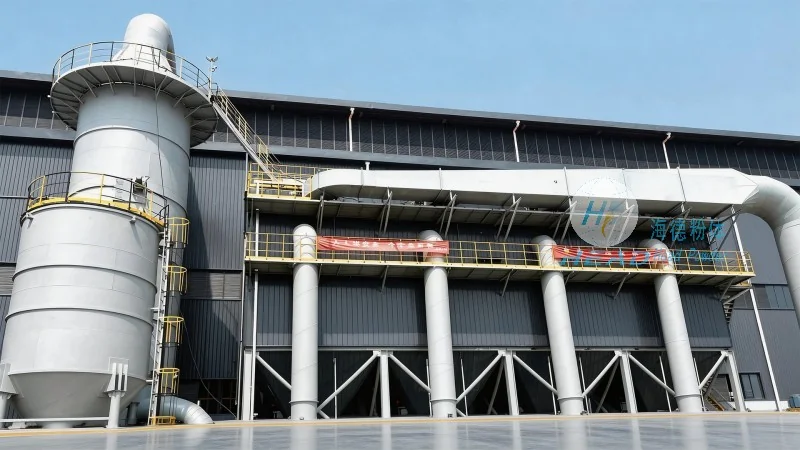
Flexible and Scalable Design: The system can be customized to fit various facility sizes and production volumes, allowing for easy expansion as business needs grow.
Key Features of HeadPowder's Pneumatic Conveying System

HeadPowder's pneumatic conveying system incorporates several key features that enhance its performance and reliability. The system uses high-efficiency air blowers to generate the necessary pressure for material transport, ensuring consistent and reliable operation. The pipe network is constructed from food-grade materials, such as stainless steel, to prevent corrosion and maintain product quality. The system also includes advanced control systems that monitor pressure, flow, and temperature, providing real-time data for optimal operation. Additionally, the system is equipped with safety features, such as pressure relief valves and emergency shut-off mechanisms, to prevent accidents and ensure safe operation.
Conclusion and Company Information
For businesses seeking efficient and reliable soybean meal conveying solutions, HeadPowder's pneumatic conveying system offers a superior alternative to traditional methods. The system's hygienic design, efficient material handling capabilities, and low maintenance requirements make it an ideal choice for processing facilities. HeadPowder, with its headquarters in Shandong, China, is committed to providing high-quality, customized solutions that meet the specific needs of its clients. The company's expertise in pneumatic conveying technology ensures that customers receive systems that are both effective and durable, supporting long-term operational success.