

How to Choose the Right Pneumatic Conveying System for Your Petroleum Coke Handling Process?
When it comes to managing the transportation of petroleum coke—a byproduct of the coking process—industrial facilities face a critical decision: choosing the most suitable pneumatic conveying system. The efficiency, reliability, and safety of the entire handling operation depend heavily on this choice. This guide aims to outline key considerations and factors that can help you make an informed decision, with a focus on the expertise of Shandong HeadPowder Engineering Co., Ltd., a leading provider of specialized material handling solutions.
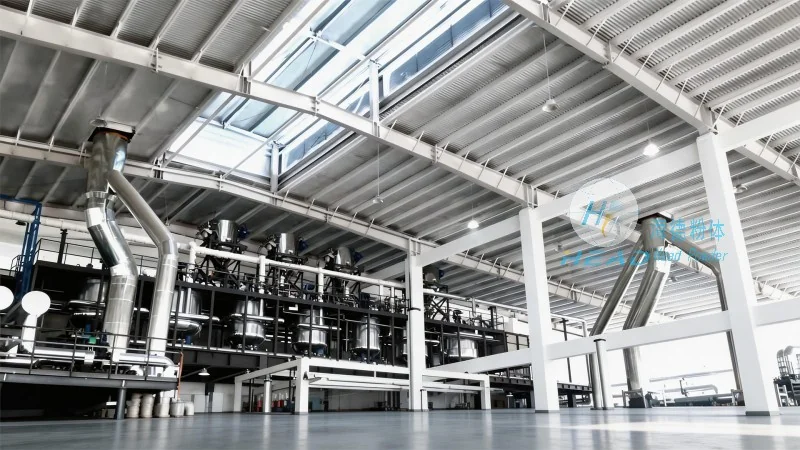
Understanding Your Process Requirements
Before selecting a pneumatic conveying system, it is essential to thoroughly analyze your specific process requirements. This includes evaluating the volume of petroleum coke to be transported, the distance between the source and destination points, and the operating conditions such as temperature and humidity. The nature of petroleum coke itself—its particle size distribution, density, and flowability—plays a significant role in determining the most effective system type. For instance, if the coke is fine and dusty, a system designed to handle low-pressure, low-velocity conveying might be more appropriate to prevent particle degradation or system blockages. Conversely, if the material is coarse and requires longer transport distances, a high-pressure system with robust air handling capabilities may be necessary.

Types of Pneumatic Conveying Systems
There are primarily two types of pneumatic conveying systems: positive pressure and negative pressure. Positive pressure systems, also known as pressure or blow-through systems, use a blower or compressor to force air and material through the pipeline. These systems are generally more suitable for longer distances and can handle a wider range of materials, including those with higher moisture content or abrasive properties. Negative pressure systems, or vacuum systems, use a vacuum pump to draw material into the pipeline. They are often preferred for shorter distances and applications where dust control is a priority, as the system operates under a lower pressure environment, reducing the risk of dust leakage. Shandong HeadPowder Engineering Co., Ltd. offers both system types, allowing clients to choose based on their specific operational needs and site constraints.
The Impact of Petroleum Coke Characteristics on System Design
Petroleum coke is a unique material with distinct characteristics that must be considered when designing a pneumatic conveying system. Its high density and potential for dust generation require systems with appropriate air flow rates and pipeline diameters to ensure smooth and efficient transport. The particle size distribution of petroleum coke can affect the system's efficiency; for example, very fine particles may require additional filtration or separation equipment to prevent system clogging. Moreover, the material's flowability and tendency to agglomerate can influence the choice of feeding mechanisms, such as rotary valves or screw feeders, which are critical for maintaining consistent material flow into the conveying line. Shandong HeadPowder Engineering Co., Ltd. specializes in customizing system designs to address these material-specific challenges, ensuring optimal performance and longevity.

Key Components and Maintenance Considerations
A pneumatic conveying system consists of several key components, including the air source (blower or vacuum pump), conveying lines, feeding equipment, and separation or collection devices. The choice of these components directly impacts the system's performance and operational costs. For example, selecting a high-efficiency blower can reduce energy consumption and lower long-term operational expenses. Proper maintenance of these components is also crucial for system reliability. Regular checks of air filters, pipeline integrity, and feeding mechanisms can prevent unexpected downtime and ensure consistent material transport. Shandong HeadPowder Engineering Co., Ltd. provides comprehensive support, including system design, installation, and maintenance services, to help clients maximize the lifespan and efficiency of their pneumatic conveying systems.

Real-World Applications and Success Stories
Shandong HeadPowder Engineering Co., Ltd. has successfully implemented pneumatic conveying systems for petroleum coke handling in various industrial settings. For instance, a client in the steel industry required a system to transport petroleum coke from storage silos to a coking furnace over a distance of 200 meters. By analyzing the material's particle size and flow properties, HeadPowder engineers designed a positive pressure system with a high-capacity blower and appropriately sized pipelines. The system was installed and commissioned efficiently, achieving the desired material flow rate while minimizing dust emissions. Another application involved a power plant that needed to transport petroleum coke from a storage yard to a boiler feed system over a longer distance. HeadPowder's negative pressure system, equipped with advanced filtration and separation technology, effectively handled the material's fine particles and ensured clean operation. These case studies highlight the importance of tailored system design and the expertise of Shandong HeadPowder Engineering Co., Ltd. in delivering reliable solutions for petroleum coke handling.
Conclusion and Recommendations
Selecting the right pneumatic conveying system for your petroleum coke handling process is a critical decision that impacts operational efficiency, safety, and cost. By carefully evaluating your process requirements, material characteristics, and operational constraints, you can choose a system that meets your specific needs. Shandong HeadPowder Engineering Co., Ltd. offers a range of customized pneumatic conveying solutions, backed by years of experience and technical expertise. Whether you require a positive pressure or negative pressure system, HeadPowder's team of engineers can design, install, and maintain a system that ensures smooth, reliable, and safe transportation of petroleum coke. Contact Shandong HeadPowder Engineering Co., Ltd. today to learn more about how their specialized solutions can enhance your material handling operations.