

Common Methods for Transporting Lithium-Ion Battery Positive and Negative Electrode Materials: An In
HeadPowder, a leading manufacturer in the field of powder handling and conveying technology, specializes in providing efficient solutions for the transportation of lithium-ion battery electrode materials. This article explores the common methods used for transporting positive and negative electrode materials in lithium-ion batteries, with a particular focus on pneumatic conveying systems, which have become increasingly important in the modern battery manufacturing industry.
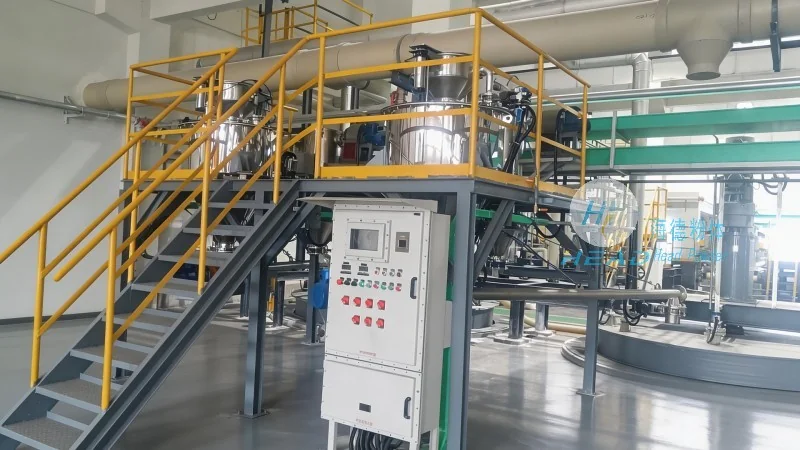
Overview of Lithium-Ion Battery Electrode Material Transport
Lithium-ion battery production involves the precise handling and transport of various materials, including active materials for the positive and negative electrodes. These materials, such as lithium cobalt oxide (LiCoO₂) for the cathode and graphite or lithium iron phosphate (LFP) for the anode, require specialized equipment to ensure minimal contamination, consistent quality, and high throughput. The choice of transport method significantly impacts the overall efficiency and cost-effectiveness of the battery manufacturing process.
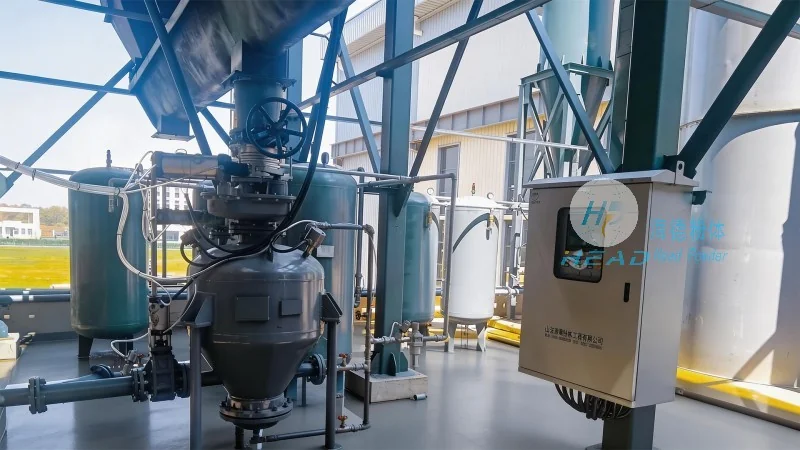
Pneumatic Conveying Systems: A Preferred Solution
Pneumatic conveying systems have emerged as a preferred method for transporting lithium-ion battery electrode materials due to their ability to handle fine powders with high precision and reliability. These systems utilize air or other gases to move materials through a network of pipes, offering advantages such as enclosed transport, reduced dust exposure, and the ability to handle materials over long distances without the need for mechanical components like belts or buckets. HeadPowder's expertise in designing and manufacturing pneumatic conveying systems ensures that these solutions are tailored to meet the specific requirements of battery manufacturers, including high purity standards and consistent material flow rates.
Key Components of Pneumatic Conveying Systems for Electrode Materials
The effectiveness of pneumatic conveying systems for lithium-ion battery electrode materials depends on several key components. These include feeders, which ensure a controlled and uniform flow of material into the conveying line; conveying lines, which are typically made of stainless steel or other corrosion-resistant materials to prevent contamination; and separation equipment, such as cyclones or filters, which separate the conveyed material from the air stream and return it to the process. HeadPowder's systems are designed with these components in mind, ensuring that each part works in harmony to achieve optimal performance.

Advantages of Using Pneumatic Conveying for Battery Electrode Materials
There are several advantages to using pneumatic conveying systems for lithium-ion battery electrode materials. First, these systems provide a closed environment, which is crucial for maintaining the purity of the materials and preventing contamination from external sources. This is particularly important for electrode materials, as even small amounts of impurities can significantly affect the performance and lifespan of the final battery. Second, pneumatic conveying systems offer high throughput and can handle large volumes of material efficiently, reducing production time and increasing overall productivity. Third, these systems are flexible and can be easily integrated into existing manufacturing lines, allowing for seamless upgrades or modifications as production needs change.
Applications in Lithium-Ion Battery Manufacturing
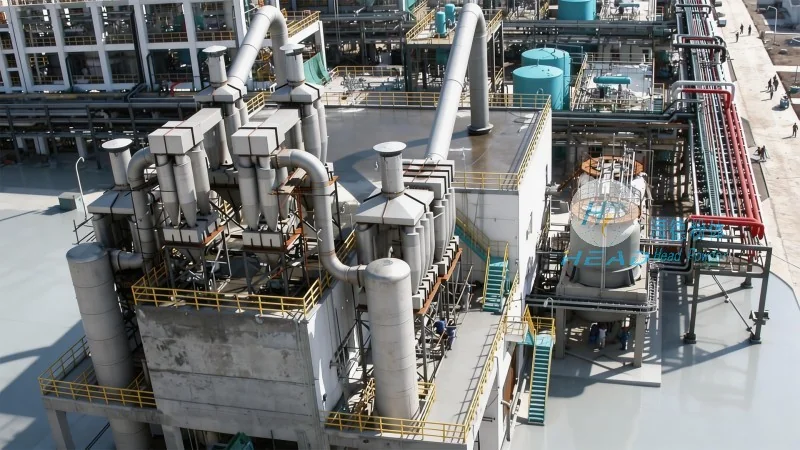
Pneumatic conveying systems are widely used in various stages of lithium-ion battery manufacturing. For example, in the cathode production process, these systems are used to transport active materials from storage silos to mixing and coating equipment. Similarly, in the anode production process, they are used to convey graphite or other anode materials to the mixing and coating stages. HeadPowder's pneumatic conveying solutions are designed to meet the specific demands of these applications, ensuring that materials are delivered to the next stage of production in a controlled and efficient manner.
Conclusion
In conclusion, pneumatic conveying systems represent a highly effective method for transporting lithium-ion battery positive and negative electrode materials. The systems offered by HeadPowder, a company based in Shandong, China, are designed to provide high purity, consistent flow, and reliable performance, making them an ideal choice for battery manufacturers seeking to optimize their production processes. By leveraging the expertise of HeadPowder, battery manufacturers can enhance their production efficiency and ensure the quality of their electrode materials, ultimately leading to better-performing lithium-ion batteries.