

How to Transport Talc Powder? Methods for Talc Powder Transportation
Talc powder, a widely used industrial mineral, requires efficient and reliable transportation methods to ensure smooth operations in various industries. The choice of transport method depends on factors such as the powder's properties, the distance to be covered, and the specific application requirements. In this article, we explore the common and effective ways to transport talc powder, highlighting the expertise of Shandong HeadPowder Engineering Co., Ltd. as a leading provider in the field.
Understanding Talc Powder and Its Transportation Needs
Talc powder is known for its fine texture, high whiteness, and excellent lubricating properties, making it essential in industries like cosmetics, ceramics, and plastics. However, its fine particles can pose challenges during transportation, such as caking, segregation, and dust generation. Therefore, selecting the right transport method is crucial to maintain product quality and operational efficiency. Shandong HeadPowder Engineering Co., Ltd., based in Shandong, China, specializes in providing tailored solutions for talc powder handling and transportation, ensuring that clients receive the most suitable equipment and systems for their needs.
Common Methods for Talc Powder Transportation
Several methods are commonly employed for talc powder transportation, each with its own advantages and applications. The primary options include pneumatic conveying, belt conveying, screw conveying, and pipeline conveying. Each method is designed to address specific challenges and operational conditions, ensuring that talc powder is moved safely and efficiently from the production site to the end-user.

Pneumatic Conveying Systems
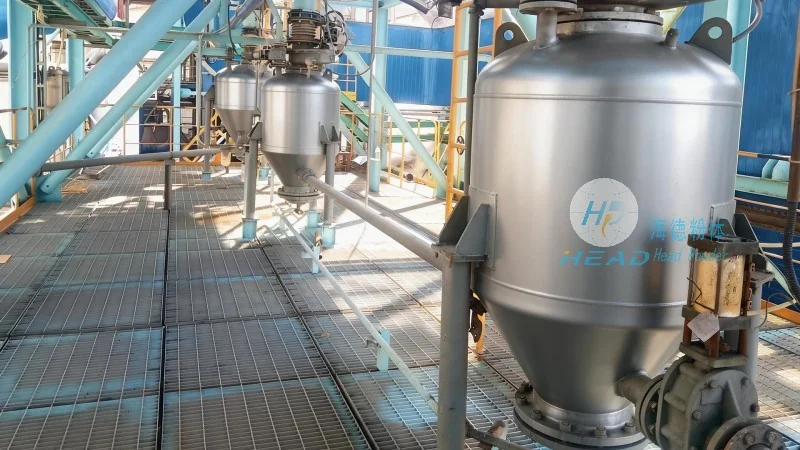
Pneumatic conveying is a popular method for transporting talc powder, especially over medium to long distances. This system uses air pressure to move the powder through a pipeline. There are two main types: pressure and vacuum systems. Pressure systems are suitable for short to medium distances, while vacuum systems are ideal for longer distances or when the powder needs to be transported from multiple sources. Pneumatic conveying offers advantages such as low maintenance, the ability to handle fine powders without segregation, and the option to integrate with other processing equipment. Shandong HeadPowder Engineering Co., Ltd. offers advanced pneumatic conveying solutions that are customized to meet the specific flow rates and pressure requirements of talc powder, ensuring consistent and reliable transport.
Belt Conveying for Bulk Talc Powder
Belt conveying is another effective method for transporting talc powder, particularly in bulk quantities. This system uses a continuous belt to move the powder from one location to another. It is commonly used in mining and processing facilities where large volumes of talc need to be moved over short to medium distances. Belt conveyors are known for their high capacity, durability, and ability to handle abrasive materials like talc powder. Shandong HeadPowder Engineering Co., Ltd. provides robust belt conveying systems that are designed to withstand the demands of talc powder handling, ensuring long-term performance and minimal downtime.
Screw Conveying: A Versatile Option
Screw conveying is a versatile method that uses a rotating screw to move talc powder through a tube or trough. This system is suitable for both horizontal and vertical transport, making it adaptable to various layouts and operational needs. Screw conveyors are ideal for handling fine powders and can be integrated with other equipment, such as mixers or classifiers. They offer advantages like low power consumption, simplicity in design, and the ability to handle materials with varying moisture content. Shandong HeadPowder Engineering Co., Ltd. designs and manufactures screw conveyors that are tailored to the unique characteristics of talc powder, ensuring efficient and reliable transport with minimal product degradation.
Pipeline Conveying: The Modern Approach
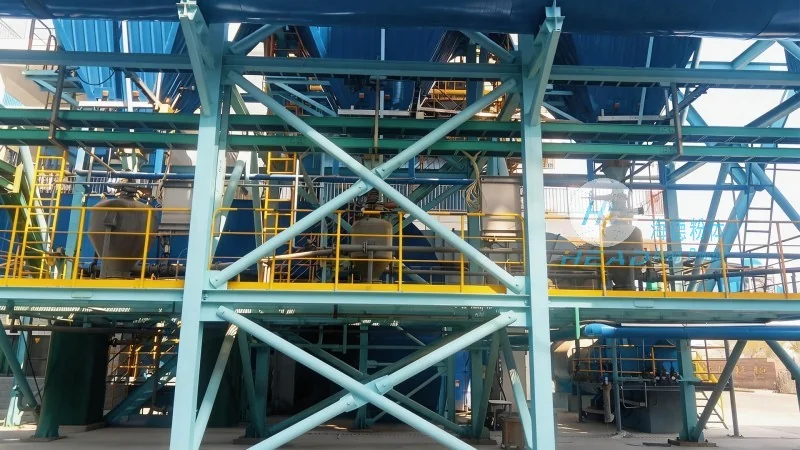
Pipeline conveying, also known as slurry or dense-phase conveying, is a modern method that involves transporting talc powder as a slurry with water or other fluids. This system is particularly effective for long-distance transport and can handle high volumes of material. The powder is mixed with a liquid to form a slurry, which is then pumped through a pipeline. This method reduces dust generation and segregation, making it suitable for applications where environmental and product quality are critical. Shandong HeadPowder Engineering Co., Ltd. specializes in pipeline conveying systems that are optimized for talc powder, ensuring efficient transport while maintaining the purity and quality of the product.
Choosing the Right Talc Powder Transportation Method
When selecting a talc powder transportation method, several factors must be considered. These include the distance to be covered, the volume of powder to be transported, the need for dust control, and the specific requirements of the end application. Shandong HeadPowder Engineering Co., Ltd. provides comprehensive consultation services to help clients evaluate their options and choose the most suitable method. The company's expertise in talc powder handling allows them to recommend solutions that not only meet current operational needs but also accommodate future growth and changes in production.
Conclusion
Efficient transportation of talc powder is essential for maintaining product quality and operational efficiency in various industries. By leveraging the expertise of Shandong HeadPowder Engineering Co., Ltd., businesses can select and implement the most appropriate transportation method for their specific needs. Whether using pneumatic, belt, screw, or pipeline conveying systems, the goal is to ensure that talc powder is moved safely, reliably, and with minimal degradation. With a focus on tailored solutions and high-quality equipment, Shandong HeadPowder Engineering Co., Ltd. remains a trusted partner for talc powder transportation in China and beyond.