

Algae Residue Pellet Conveying Methods: An Introduction to HeadPowder's Pneumatic Conveying System for Algae Residue Pellets
When it comes to handling and transporting algae residue pellets, selecting the right conveying method is crucial for efficiency and operational effectiveness. The market offers various options, but each comes with its own set of challenges and limitations. In this context, understanding the different conveying methods available becomes essential for businesses looking to optimize their processes. This article explores the key conveying methods for algae residue pellets and introduces HeadPowder's innovative pneumatic conveying solution, designed to address the unique demands of this application.

Understanding Algae Residue Pellet Conveying: Common Challenges
Algae residue, often in pellet form, presents specific challenges during transportation. Traditional methods such as belt conveyors or screw conveyors may struggle with the material's properties, including moisture content, density, and potential stickiness. These factors can lead to blockages, increased maintenance costs, and reduced throughput. Additionally, the need for dust control and environmental compliance adds another layer of complexity to the selection process. Many industries have found that conventional solutions are insufficient for the consistent and reliable transport of algae residue pellets, prompting the search for more advanced technologies.
HeadPowder's Pneumatic Conveying Solution: A Comprehensive Approach
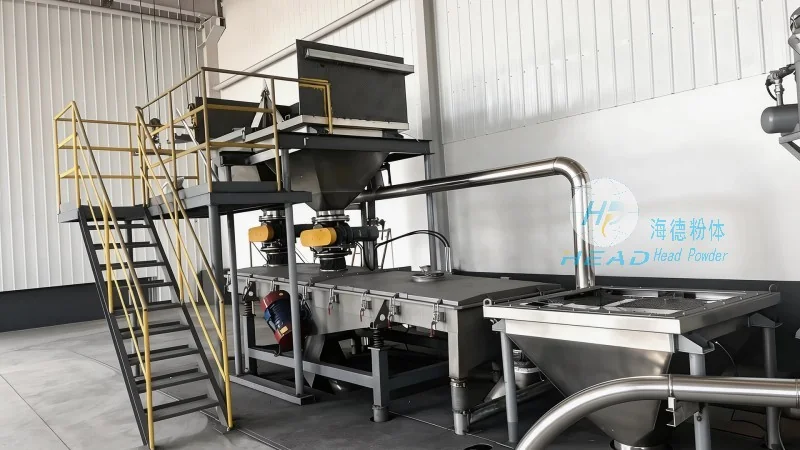
HeadPowder, a leading provider in the field, offers a specialized pneumatic conveying system tailored for algae residue pellets. This system leverages the principles of air-based transport to move material efficiently from one location to another. The solution is designed to handle the unique characteristics of algae residue, ensuring smooth operation and minimal downtime. By utilizing high-pressure air or vacuum systems, the pneumatic conveyor can transport pellets over long distances with minimal energy consumption and reduced environmental impact.
Key Features and Benefits of HeadPowder's Pneumatic Conveying System

HeadPowder's pneumatic conveying system for algae residue pellets is equipped with several features that enhance its performance and reliability. One of the primary advantages is its ability to handle abrasive materials without causing excessive wear on components. The system incorporates durable materials and advanced engineering to ensure longevity and low maintenance costs. Additionally, the design allows for easy integration into existing production lines, minimizing disruption during installation. The pneumatic conveying method also provides excellent dust control, which is critical for maintaining a safe and compliant working environment. This feature not only protects personnel but also helps in meeting environmental regulations, making it a preferred choice for many industries.
Efficiency and Throughput: How HeadPowder's System Delivers Results
Efficiency is a top priority for any conveying system, and HeadPowder's pneumatic solution excels in this area. The system is engineered to achieve high throughput rates while maintaining consistent material flow. By optimizing the air flow and pressure, the conveyor can handle varying loads without compromising performance. This adaptability makes it suitable for both small-scale and large-scale operations, catering to the diverse needs of the algae processing industry. The result is a significant reduction in operational costs and increased productivity, allowing businesses to maximize their output and profitability.
Reliability and Durability: Built for Long-Term Performance
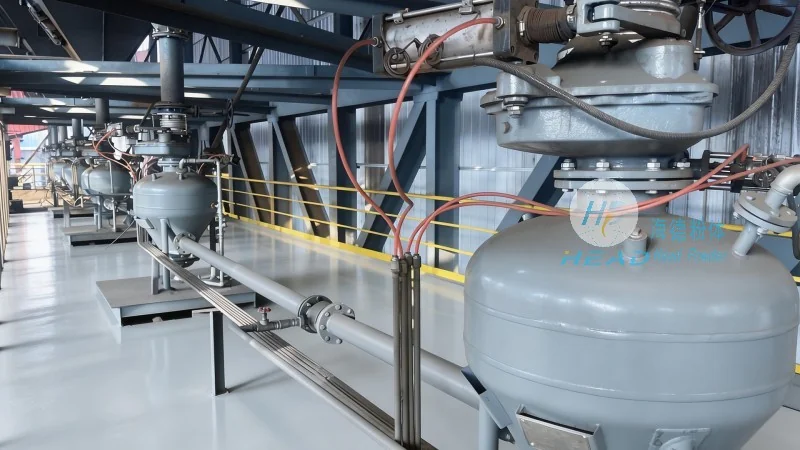
Reliability is paramount in industrial applications, and HeadPowder's pneumatic conveying system is built to withstand the demands of continuous operation. The components are selected for their durability and resistance to corrosion, ensuring that the system remains operational even in harsh conditions. Regular maintenance is simplified due to the modular design, which allows for easy access and replacement of parts. This reduces downtime and maintenance expenses, contributing to the overall cost-effectiveness of the solution. The system's robust construction also minimizes the risk of breakdowns, providing peace of mind to operators and ensuring uninterrupted production.
Environmental Considerations and Compliance
In today's industrial landscape, environmental compliance is a critical factor in the selection of conveying equipment. HeadPowder's pneumatic conveying system for algae residue pellets addresses this concern by incorporating features that minimize environmental impact. The system is designed to reduce dust emissions and control air pollution, aligning with regulatory standards. Additionally, the use of energy-efficient components helps in reducing the carbon footprint of the operation. By choosing this solution, businesses can not only improve their operational efficiency but also contribute to sustainable practices, enhancing their reputation and meeting the expectations of stakeholders.
Conclusion: Choosing the Right Conveying Method for Algae Residue Pellets
When evaluating conveying methods for algae residue pellets, it is essential to consider the specific requirements of the application. While traditional methods may offer some solutions, they often fall short in terms of efficiency, reliability, and environmental compliance. HeadPowder's pneumatic conveying system provides a comprehensive and advanced solution that addresses these challenges effectively. By leveraging the benefits of air-based transport, the system ensures smooth, reliable, and cost-effective transportation of algae residue pellets. For businesses looking to optimize their operations and meet industry standards, HeadPowder's solution stands out as a reliable and efficient choice.