

How to Design a Reasonable Dust Gas Solid Transport System Plan
When it comes to managing dust and particulate matter in industrial processes, the design of an efficient gas solid transport system is crucial. This article provides a comprehensive guide on how to design a reasonable dust gas solid transport system plan, ensuring optimal performance, reliability, and cost-effectiveness. The following content is based on the expertise of Shandong HeadPowder Engineering Co., Ltd., a leading provider in the field, with their headquarters located in Shandong, China.
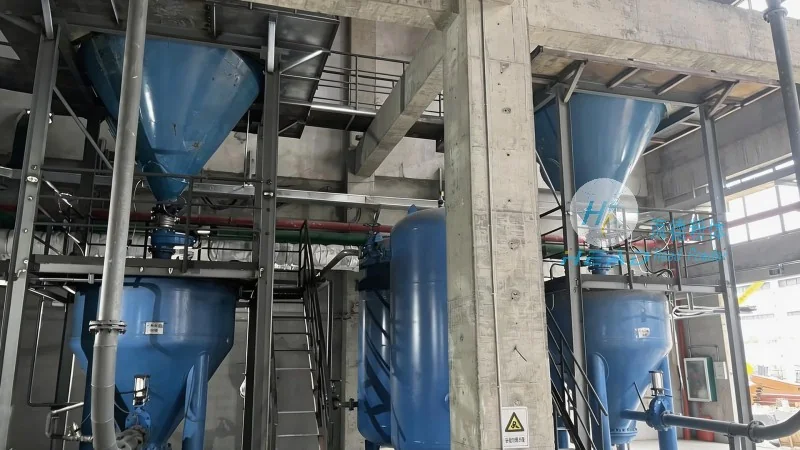
Understanding the Core Principles of Dust Gas Solid Transport Systems
A dust gas solid transport system is designed to move bulk materials like dust, powders, or granules through a pipeline using a gas stream. The effectiveness of such a system depends on several key factors, including the material characteristics, the required transport distance, the desired flow rate, and the environmental regulations. Proper design ensures that the system operates efficiently, minimizes energy consumption, and maintains the quality of the transported material. It is essential to consider the specific properties of the dust, such as particle size, density, moisture content, and abrasiveness, as these factors directly impact the choice of equipment and system configuration.

Step 1: Conduct Comprehensive System Analysis and Requirement Definition
The first step in designing a dust gas solid transport system is to conduct a thorough analysis of the operational requirements. This involves gathering data on the type and quantity of material to be transported, the distance between the source and the destination, the required flow rate, and any constraints related to space, budget, or environmental compliance. By clearly defining these requirements, engineers can select the most appropriate system type and components. For instance, if the material is highly abrasive or has a high moisture content, a system with robust components and proper maintenance schedules is necessary to prevent wear and tear and ensure long-term performance.
Step 2: Select the Appropriate Transport Method (Positive or Negative Pressure)

There are two primary methods for dust gas solid transport: positive pressure and negative pressure systems. Positive pressure systems use a blower or fan to force air and material through the pipeline, while negative pressure systems use a vacuum to draw material into the pipeline. The choice between these methods depends on the specific application and material characteristics. Positive pressure systems are generally more suitable for long-distance or high-volume transport, as they provide consistent pressure and can handle more challenging materials. Negative pressure systems, on the other hand, are often used for short-distance transport or in applications where dust control is a priority, as they minimize the risk of dust leakage. The selection of the transport method also impacts the design of the system components, such as the type of fan, the size of the pipeline, and the placement of the material feed and discharge points.
Step 3: Design the Pipeline System and Equipment Layout
Once the transport method is determined, the next step is to design the pipeline system and equipment layout. This includes selecting the appropriate pipe material, diameter, and length, as well as determining the placement of key components like the fan, material feeders, separation devices, and discharge hoppers. The pipeline layout should be designed to minimize pressure losses and ensure smooth material flow. For example, the use of appropriate bends, elbows, and straight sections is crucial to maintain the velocity of the gas stream and prevent material accumulation or blockages. The equipment layout should also consider accessibility for maintenance and cleaning, as well as compliance with safety and environmental regulations. Shandong HeadPowder Engineering Co., Ltd. specializes in the design and implementation of such systems, ensuring that each component is optimized for the specific application.
Step 4: Select and Size the Key Equipment Components
The selection and sizing of key equipment components are critical to the performance of the dust gas solid transport system. The main components include the fan or blower, material feeders, separation devices, and control systems. The fan is responsible for providing the necessary air pressure and flow rate to move the material through the pipeline. The choice of fan type (centrifugal, positive displacement, etc.) depends on the system pressure requirements and the material properties. The material feeder must be capable of feeding the material consistently and at the required flow rate, without causing blockages or uneven flow. Separation devices, such as cyclones or bag filters, are used to remove the material from the gas stream at the discharge point, ensuring that the system operates efficiently and meets environmental standards. The control system is responsible for monitoring and controlling the operation of the system, including the fan speed, material feed rate, and pressure levels. Proper sizing of these components ensures that the system operates within its design parameters and avoids overloading or underperformance.

Step 5: Implement and Optimize the System for Efficiency and Reliability
After the design and equipment selection, the next step is to implement and optimize the system. This involves installing the pipeline and equipment according to the design specifications, conducting initial tests to verify performance, and making adjustments as needed. Regular maintenance is essential to ensure the long-term reliability and efficiency of the system. This includes cleaning the separation devices, inspecting the fan and other components for wear and tear, and monitoring the system performance over time. Shandong HeadPowder Engineering Co., Ltd. provides comprehensive support for system implementation and optimization, including on-site installation, commissioning, and ongoing maintenance services. By following these steps and adhering to best practices, the dust gas solid transport system can be designed to operate efficiently, reliably, and cost-effectively, meeting the specific needs of the industrial application.