

Common Phosphoric Hydrogen Calcium Conveying Methods: An Introduction to Phosphoric Hydrogen Calcium
Phosphoric hydrogen calcium (also known as calcium dihydrogen phosphate, Ca(H₂PO₄)₂) is a widely used chemical compound in various industries, including agriculture, food processing, and pharmaceuticals. The efficient and reliable transportation of this material from production sites to processing or storage facilities is crucial for maintaining operational efficiency and product quality. Over the years, several conveying methods have been developed to handle phosphoric hydrogen calcium, each with its own advantages and limitations. This article provides an overview of common phosphoric hydrogen calcium conveying methods, with a focus on the pneumatic conveying technique, which has become increasingly popular due to its flexibility and effectiveness.
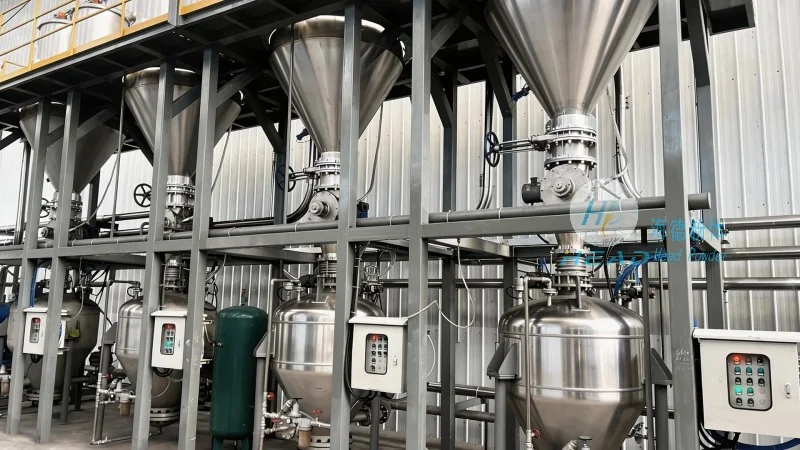
Overview of Phosphoric Hydrogen Calcium Conveying Methods
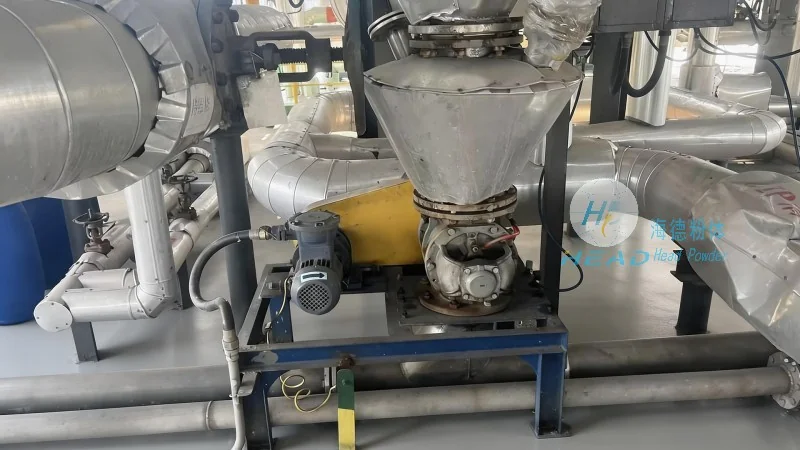
In the industrial handling of phosphoric hydrogen calcium, different conveying methods are employed based on factors such as material properties, distance, volume, and operational requirements. The primary methods include gravity conveying, mechanical conveying (like belt conveyors and screw conveyors), and pneumatic conveying. Each method has distinct characteristics that make it suitable for specific applications. Gravity conveying relies on the material's weight to move it down a sloped pipe or chute, which is suitable for short distances and low volumes. Mechanical conveying systems use mechanical components to transport the material, offering better control over speed and direction. Pneumatic conveying, on the other hand, uses air pressure to move the material through a closed pipeline system, providing a more flexible and efficient solution for longer distances and varying material flow rates.
Pneumatic Conveying of Phosphoric Hydrogen Calcium: Principle and Advantages
Pneumatic conveying is a method that utilizes compressed air to transport bulk materials like phosphoric hydrogen calcium through a pipeline. The process involves feeding the material into a hopper, where it is then drawn into the pipeline by the air flow. The air and material mixture travels through the pipeline to the destination point, where the material is separated from the air using a separator or cyclone. The advantages of pneumatic conveying for phosphoric hydrogen calcium include high efficiency, minimal material degradation, and the ability to handle materials with varying moisture content. Unlike mechanical conveyors, pneumatic systems do not require physical contact with the material, reducing the risk of contamination and wear. Additionally, pneumatic conveying can handle long distances and multiple transfer points, making it ideal for large-scale operations. The flexibility of pneumatic systems allows for easy integration with other processing equipment, enhancing overall production efficiency.
Applications of Pneumatic Conveying in Phosphoric Hydrogen Calcium Handling
The application of pneumatic conveying in phosphoric hydrogen calcium handling spans various industries. In agricultural applications, phosphoric hydrogen calcium is used as a fertilizer, and pneumatic systems are used to transport it from storage silos to application equipment. This method ensures consistent and uniform distribution of the fertilizer, improving crop yields. In the food industry, phosphoric hydrogen calcium is used as a food additive, and pneumatic conveying helps maintain product purity by minimizing contact with external contaminants. The pharmaceutical industry also benefits from pneumatic conveying, as it allows for the safe and hygienic transport of the material in sterile environments. The ability to handle fine powders without clogging or segregation makes pneumatic systems particularly suitable for these applications.
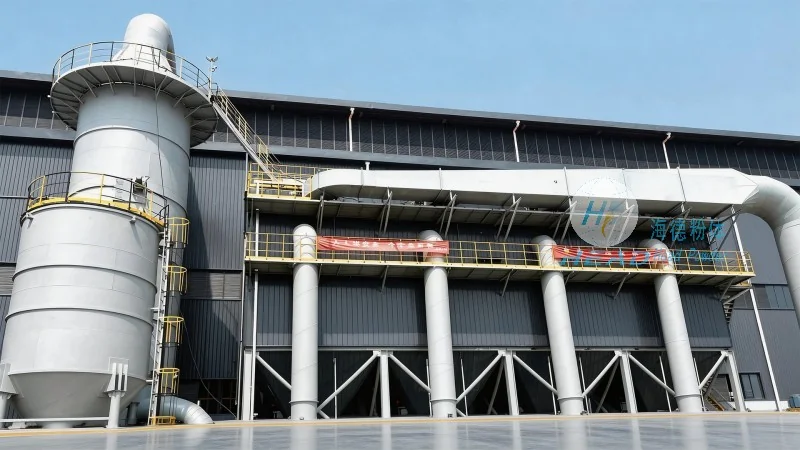
Key Considerations for Implementing Pneumatic Conveying Systems
When implementing a pneumatic conveying system for phosphoric hydrogen calcium, several factors must be considered to ensure optimal performance. The first is the material's properties, such as particle size, moisture content, and flowability. These characteristics affect the air velocity required for effective transport. The second consideration is the system's design, including the type of air pump (positive displacement or centrifugal), the pipeline layout, and the use of accessories like filters and cyclones. Proper system design is crucial to prevent material buildup and ensure consistent flow. The third factor is maintenance and operational costs. Pneumatic systems require regular maintenance to keep air filters clean and pumps in good working condition, which impacts long-term operational efficiency. Additionally, energy consumption is a significant factor, as higher air pressure and flow rates increase energy costs. By carefully evaluating these factors, industrial operators can select the most suitable pneumatic conveying system for their phosphoric hydrogen calcium handling needs.
Conclusion

Phosphoric hydrogen calcium is a vital chemical compound with diverse industrial applications, and the choice of conveying method significantly impacts operational efficiency and product quality. While gravity and mechanical conveying methods have their uses, pneumatic conveying has emerged as a preferred solution for its flexibility, efficiency, and ability to handle fine powders. The Shandong HeadPowder Engineering Co., Ltd., a leading provider of industrial conveying solutions, specializes in designing and manufacturing pneumatic conveying systems tailored to the specific needs of phosphoric hydrogen calcium handling. With years of experience and a commitment to quality, HeadPowder offers reliable and efficient solutions that enhance the productivity and safety of industrial operations. Whether for agricultural, food, or pharmaceutical applications, pneumatic conveying provides a robust and effective method for transporting phosphoric hydrogen calcium, ensuring consistent performance and minimal downtime.