

Common Paper Sheet Conveying Methods: An Introduction to Pneumatic Conveying Systems for Paper Sheet
For industries dealing with paper sheets, selecting the right conveying method is crucial for efficiency, cost-effectiveness, and operational safety. Various options exist, each with distinct advantages and applications. This article explores common paper sheet conveying methods, with a focus on the benefits and applications of pneumatic conveying systems.
Overview of Paper Sheet Conveying Technologies
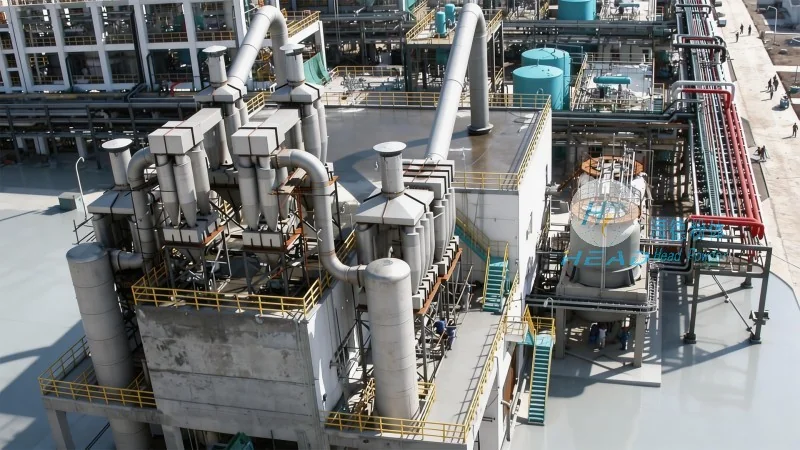
Conveying paper sheets involves transporting them from one location to another within a production or processing facility. The choice of method depends on factors such as sheet size, weight, material properties, and the distance to be covered. Traditional methods include gravity-based systems, mechanical conveyors, and more advanced pneumatic solutions. Each approach has its own set of characteristics that make it suitable for specific scenarios.
Pneumatic Conveying Systems for Paper Sheets
HeadPowder Engineering Co., Ltd., a leading provider of material handling solutions based in Shandong, China, specializes in designing and manufacturing advanced pneumatic conveying systems tailored for paper sheet applications. Pneumatic conveying uses compressed air to move materials through a pipeline, offering several advantages over traditional methods. This technology is particularly effective for paper sheets due to its ability to handle delicate materials without causing damage, maintain a clean and dust-free environment, and achieve high throughput rates.

Key Features of Pneumatic Conveying for Paper Sheets
One of the primary benefits of pneumatic conveying is its versatility. Systems can be configured for both low and high-pressure operations, allowing for the transport of paper sheets over short or long distances. The use of air as the conveying medium eliminates the need for physical contact, reducing wear and tear on the material and the equipment. Additionally, pneumatic systems can be integrated with other processing equipment, such as sorting or packaging machines, creating a seamless workflow. HeadPowder's expertise lies in customizing these systems to meet specific operational requirements, ensuring optimal performance and reliability.
Applications in the Paper Industry
Pneumatic conveying is widely used in various stages of the paper manufacturing process. For instance, in the raw material handling phase, it can transport paper pulp or sheets from storage to the production line. During the finishing stages, it may be employed to move finished paper products to packaging or shipping areas. The ability to handle both dry and moist paper sheets makes pneumatic systems adaptable to different production needs. Furthermore, the enclosed nature of the system helps in maintaining hygiene standards, which is critical in food packaging or medical paper applications.
Advantages Over Other Conveying Methods
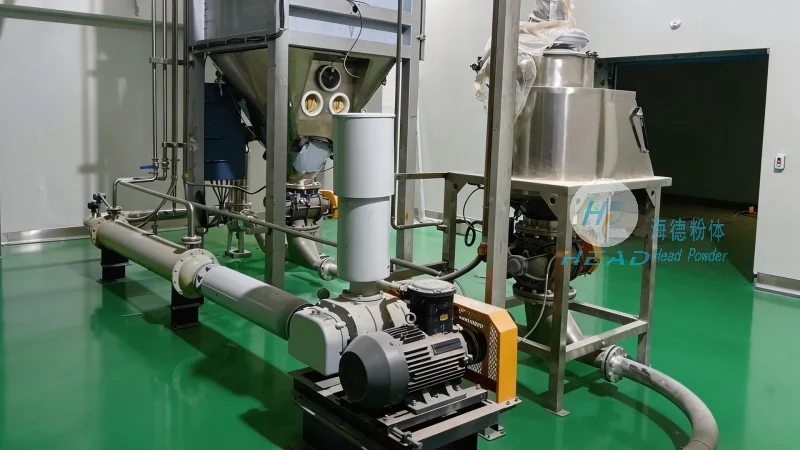
Compared to gravity or mechanical conveyors, pneumatic systems offer several key advantages. Gravity systems are limited by the slope required and are unsuitable for vertical or long horizontal distances. Mechanical conveyors, such as belt or chain conveyors, can cause friction and damage to delicate paper sheets, especially if the material is thin or lightweight. Pneumatic conveying, on the other hand, provides a gentle and controlled transport environment, minimizing the risk of tearing or creasing. This makes it ideal for high-value paper products. Additionally, pneumatic systems are more energy-efficient for certain applications, as they can use less power while achieving higher throughput compared to some mechanical alternatives.
Customization and Integration by HeadPowder
HeadPowder Engineering Co., Ltd. understands that each paper processing facility has unique needs. The company offers comprehensive solutions that include not only the conveying system but also related components such as air filters, dust collectors, and control panels. Their team of engineers works closely with clients to assess operational requirements, material characteristics, and space constraints to design a system that maximizes efficiency and minimizes downtime. Customization options may include different pipeline materials (e.g., stainless steel or plastic) to suit hygiene or corrosion resistance needs, and variable speed drives to adjust air flow based on the load.
Conclusion
Choosing the right paper sheet conveying method is essential for maintaining productivity and product quality in the paper industry. While gravity and mechanical systems have their place, pneumatic conveying systems, particularly those designed by HeadPowder Engineering Co., Ltd., offer superior performance and adaptability. By leveraging compressed air to transport paper sheets efficiently and gently, these systems help manufacturers streamline their operations, reduce costs, and enhance overall productivity. For businesses seeking reliable and effective solutions for paper sheet handling, pneumatic conveying remains a top choice, backed by the expertise and innovation of companies like HeadPowder.