

Iron Oxide Conveying Methods: An Overview of the Advantages and Features of Pneumatic Conveying
When it comes to transporting iron oxide, selecting the right conveying method is crucial for efficiency, safety, and cost-effectiveness. Iron oxide, a widely used pigment and industrial material, requires specialized handling due to its physical properties. Among the various options available, pneumatic conveying stands out as a preferred solution for many applications. This article explores the different iron oxide conveying methods and highlights the key advantages and features of pneumatic conveying, presented by Shandong HeadPowder Engineering Co., Ltd., a leading provider in the field.
Different Iron Oxide Conveying Methods

Iron oxide can be transported using several methods, each with its own set of characteristics and applications. The primary options include mechanical conveying, such as belt conveyors and screw conveyors, and pneumatic conveying. Mechanical methods are often suitable for short distances and lower volumes but may face challenges with dust control and material degradation. In contrast, pneumatic conveying offers a more flexible and efficient solution, especially for longer distances and higher volumes. Understanding these methods helps in making an informed decision based on specific operational requirements.
The Advantages of Pneumatic Conveying for Iron Oxide
Pneumatic conveying, also known as air conveying, involves transporting materials using a stream of air. This method is particularly advantageous for iron oxide due to several key benefits. First, it provides excellent dust control, which is critical for maintaining a safe and clean working environment. Iron oxide is a fine powder, and improper handling can lead to airborne dust, posing health risks and contamination issues. Pneumatic systems effectively contain the material, reducing dust emissions and improving workplace safety. Second, pneumatic conveying offers high efficiency in terms of speed and throughput. The use of air as the conveying medium allows for rapid movement of iron oxide, reducing downtime and increasing overall productivity. This is especially beneficial in industrial settings where continuous operation is essential. Third, the system is flexible and can be easily adapted to different layouts and operational changes. Unlike fixed mechanical systems, pneumatic conveyors can be reconfigured to accommodate changes in production processes or facility expansions. This adaptability makes them a cost-effective solution in the long run.
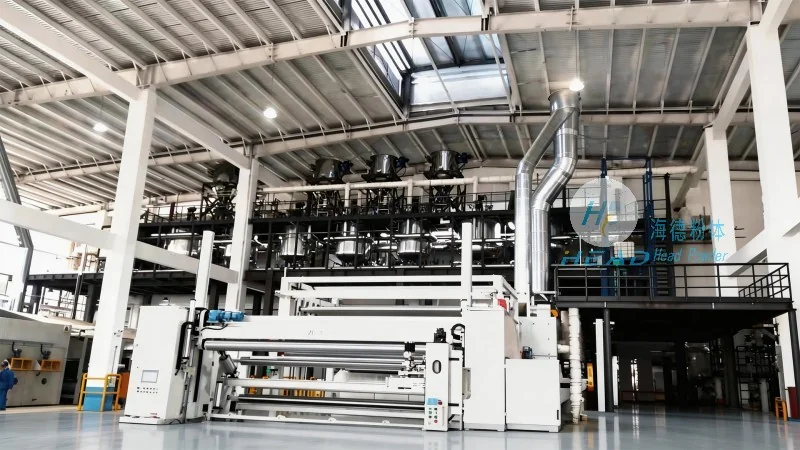
Key Features of Pneumatic Conveying Systems
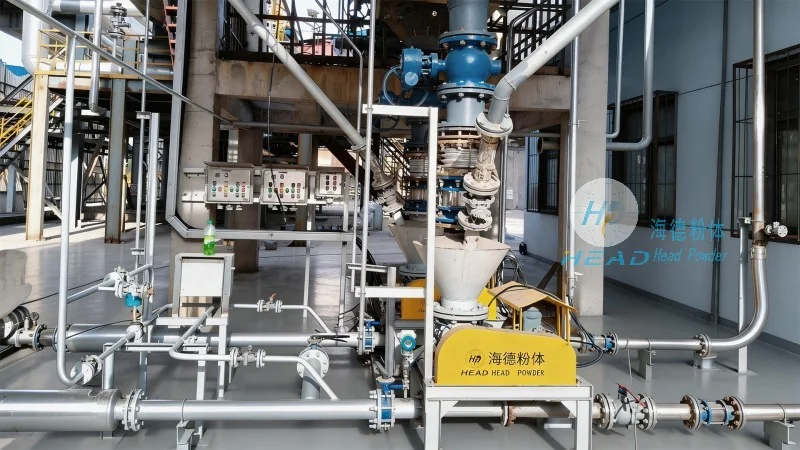
Shandong HeadPowder Engineering Co., Ltd. specializes in designing and manufacturing advanced pneumatic conveying systems tailored to the needs of iron oxide applications. The company's expertise ensures that the systems are built with high-quality materials and components, guaranteeing durability and reliability. One of the key features is the use of positive pressure or negative pressure systems, depending on the specific requirements. Positive pressure systems push the material through the pipeline using compressed air, while negative pressure systems pull the material using a vacuum. Both methods are effective, but the choice depends on factors such as the distance, volume, and material characteristics. Another important feature is the inclusion of filtration and separation equipment. These components help in maintaining the purity of the iron oxide by removing any impurities or moisture, which is crucial for maintaining product quality. The company also emphasizes the importance of maintenance and service, providing comprehensive support to ensure the longevity and optimal performance of the conveying systems.
Conclusion
Choosing the right iron oxide conveying method is essential for optimizing operations and ensuring safety. While mechanical methods have their place, pneumatic conveying offers significant advantages in terms of efficiency, dust control, and flexibility. Shandong HeadPowder Engineering Co., Ltd. provides reliable and efficient pneumatic conveying solutions that meet the diverse needs of the iron oxide industry. By leveraging advanced technology and expert knowledge, the company helps clients achieve higher productivity and better material handling outcomes. Whether for new installations or system upgrades, pneumatic conveying remains a top choice for transporting iron oxide, and with the right partner, such as HeadPowder, businesses can enhance their operational capabilities and maintain a competitive edge in the market.