

[CMPARISON OF COMMON MINERAL POWDER CONVEYING METHODS]
When it comes to handling mineral powders in industrial settings, selecting the right conveying method is crucial for efficiency, cost-effectiveness, and operational safety. The choice of conveying system can significantly impact production throughput, material quality, and overall process reliability. This article provides a detailed comparison of common mineral powder conveying methods, focusing on their applications, advantages, and limitations. The information is presented by Shandong HeadPowder Engineering Co., Ltd., a leading provider of industrial conveying solutions in China.
Introduction to Mineral Powder Conveying
Mineral powders, such as ores, coal, and various industrial powders, are widely used in mining, manufacturing, and processing industries. Efficient and reliable transportation of these materials from one point to another is essential for maintaining smooth operations. Conveying systems are designed to move bulk materials in a controlled manner, reducing manual labor and minimizing material loss. The selection of a conveying method depends on factors like material properties, distance, volume, and environmental considerations.
Company Overview: Shandong HeadPowder Engineering Co., Ltd.
HeadPowder is a professional manufacturer and supplier of industrial conveying equipment. With headquarters in Shandong, China, the company specializes in designing and manufacturing high-quality mineral powder conveying systems tailored to the specific needs of clients. Their products are known for durability, efficiency, and compliance with industry standards. By leveraging advanced technology and years of experience, HeadPowder helps industries optimize their material handling processes.
1. Pneumatic Conveying Systems
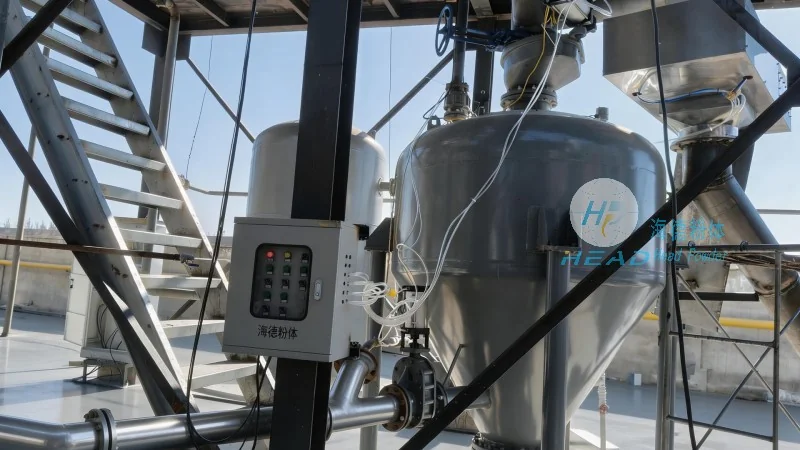
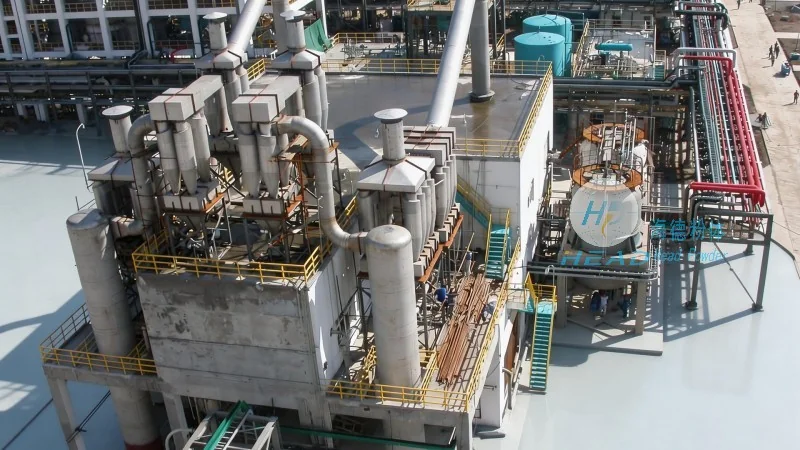
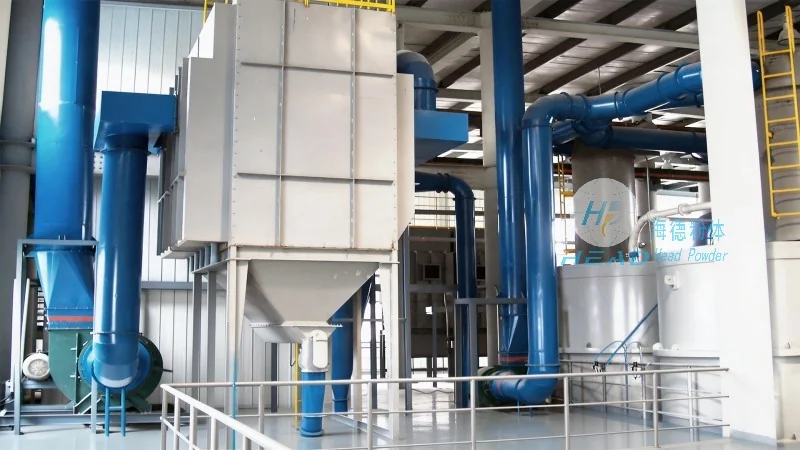
Pneumatic conveying, also known as air conveying, is a popular method for transporting mineral powders over short to medium distances. This system uses compressed air or gas to move materials through a pipeline. There are two main types: pressure and vacuum systems. Pressure systems push material through the pipe using positive pressure, while vacuum systems draw material in using negative pressure. Pneumatic conveying is ideal for fine powders and can handle materials that are abrasive or corrosive. One of the key advantages is the ability to transport materials in a closed system, which reduces dust emissions and improves safety. However, it may not be suitable for very large particles or high-volume applications due to potential blockages and higher energy consumption.
2. Screw Conveyors
Screw conveyors, also called auger conveyors, are mechanical devices that use a rotating screw to move material along a trough. They are widely used for horizontal or slight incline transport of mineral powders. Screw conveyors are simple in design, easy to install, and can handle a variety of materials, including sticky or fibrous powders. They are particularly effective for moving materials with low to moderate flowability. The main advantage is their compact design and low maintenance requirements. However, they may not be suitable for very fine powders that can cause wear on the screw and trough, and they are limited in the distance they can transport materials efficiently.
3. Belt Conveyors
Belt conveyors are one of the most common and versatile methods for transporting mineral powders. They consist of a continuous belt that moves over rollers or pulleys, carrying the material from one location to another. Belt conveyors are ideal for long-distance transport and high-volume applications. They can handle a wide range of materials, from fine powders to large lumps, and can be configured with multiple inclines and curves. The primary advantage is their high capacity and ability to cover long distances with minimal energy consumption. However, they require regular maintenance, especially for the belt and rollers, and may not be suitable for very fine powders that can cause dust buildup and belt wear.
4. Hydraulic Conveying
Hydraulic conveying systems use water or other liquids to transport mineral powders through a pipeline. This method is particularly effective for transporting materials over long distances and in hilly or uneven terrain. The material is suspended in the liquid and carried to the destination. Hydraulic conveying is suitable for materials that are difficult to handle with other methods, such as highly abrasive or corrosive powders. The main advantage is the ability to transport materials over long distances with relatively low energy consumption. However, it requires a significant amount of water, which may not be feasible in areas with water scarcity, and the system is more complex and expensive to install and maintain.
Conclusion and Recommendations
Choosing the right mineral powder conveying method depends on several factors, including the material properties, distance, volume, and operational requirements. Pneumatic systems are excellent for fine powders and closed transport, while screw conveyors are ideal for moderate volumes and horizontal transport. Belt conveyors are suitable for long-distance and high-volume applications, and hydraulic systems are effective for long distances and difficult terrain. Shandong HeadPowder Engineering Co., Ltd. offers a range of conveying solutions tailored to these needs, ensuring that clients can select the most appropriate system for their specific applications. By understanding the advantages and limitations of each method, industries can optimize their material handling processes and improve overall efficiency.