

What Are the Methods for Mineral Sand Conveying?
When it comes to transporting mineral sands, selecting the right conveying method is crucial for efficiency, cost-effectiveness, and operational safety. The choice of method depends on various factors including the type of mineral sand, the distance to be covered, the required throughput, and the specific site conditions. Here, we explore several common and effective methods used in the industry, highlighting their applications and advantages.
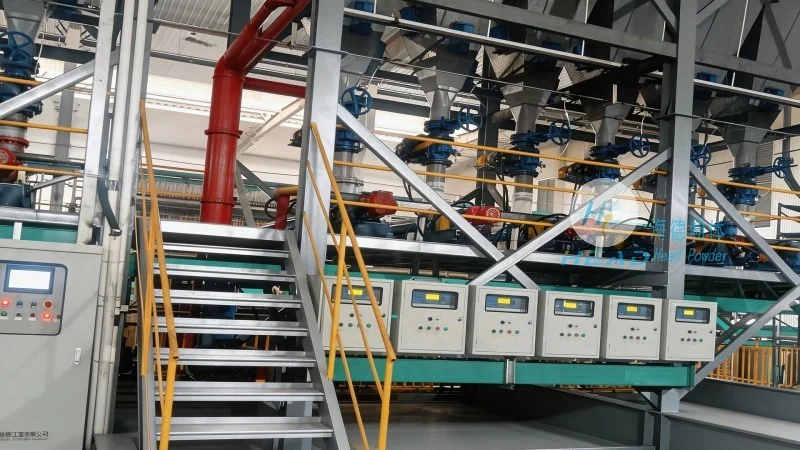
One of the most widely used methods for mineral sand conveying is the belt conveyor system. This technology is particularly suitable for transporting bulk materials over long distances with relatively low maintenance requirements. Belt conveyors can handle a wide range of particle sizes and moisture contents, making them versatile for different mineral sand types. The continuous operation of belt conveyors ensures a steady flow of material, which is essential for maintaining production rates in mining and processing facilities. Companies like Shandong HeadPowder Engineering Co., Ltd. specialize in designing and manufacturing customized belt conveyor solutions tailored to the unique needs of their clients. Their expertise in material handling ensures that the conveyors are optimized for durability and performance, reducing downtime and operational costs.
Another effective method is the bucket elevator or vertical conveyor. This system is ideal for vertical or inclined transport of mineral sands, especially when space is limited or when the material needs to be elevated to a higher level. Bucket elevators use a series of buckets attached to a belt or chain that moves vertically, lifting the material from a lower to a higher position. This method is highly efficient for transporting materials with high moisture content or those that are prone to clogging, as the enclosed design prevents material spillage and loss. Shandong HeadPowder Engineering Co., Ltd. offers advanced bucket elevator designs that incorporate features such as variable speed drives and anti-stall mechanisms, enhancing safety and reliability in operation.
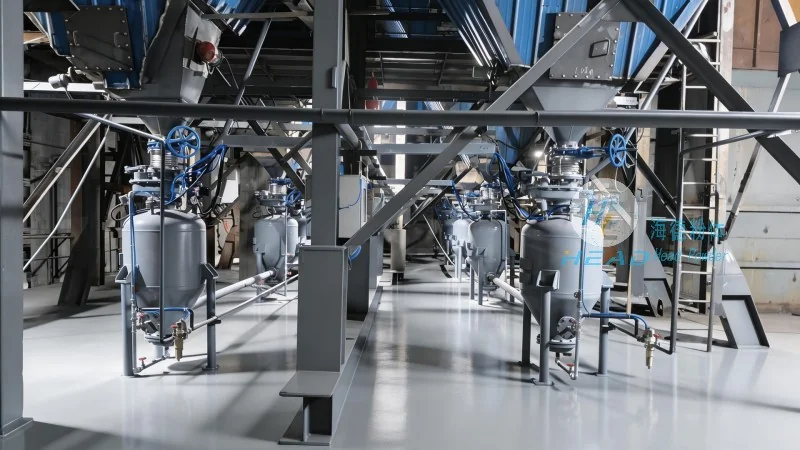

For applications requiring high-precision and controlled transport, pneumatic or air-conveying systems are often employed. These systems use compressed air to transport mineral sands through a network of pipes, allowing for precise control over the flow rate and direction of the material. Pneumatic conveying is particularly advantageous for transporting fine or dusty mineral sands, as it minimizes dust exposure and contamination. However, it requires careful consideration of air pressure, pipe diameter, and material characteristics to ensure efficient operation. Shandong HeadPowder Engineering Co., Ltd. provides comprehensive pneumatic conveying solutions, including vacuum and pressure systems, to meet the diverse needs of their clients in the mineral processing industry.
Additionally, screw conveyors are commonly used for short-distance horizontal or slight incline transport of mineral sands. These systems consist of a rotating screw inside a tube, which moves the material forward through the rotation. Screw conveyors are simple in design, easy to install, and can handle a variety of materials, including those with high moisture content. They are particularly useful in processing plants where space is limited and where the material needs to be moved from one process unit to another. Shandong HeadPowder Engineering Co., Ltd. designs screw conveyors with robust construction and efficient screw designs to ensure reliable performance in demanding environments.
In conclusion, the selection of a mineral sand conveying method should be based on a thorough analysis of the specific requirements of the operation. Whether it's a belt conveyor for long-distance transport, a bucket elevator for vertical movement, a pneumatic system for precise control, or a screw conveyor for short distances, each method has its unique advantages and applications. Companies like Shandong HeadPowder Engineering Co., Ltd. play a vital role in providing tailored conveying solutions that enhance operational efficiency and safety in the mineral sand processing industry. By understanding the characteristics of the mineral sand and the operational needs, businesses can choose the most appropriate conveying method to optimize their production processes and reduce costs.