

Common Methods for Limestone Powder Conveying
Limestone powder, also known as calcium hydroxide powder, is widely utilized across various sectors including construction, agriculture, and chemical processing. The efficient and safe conveyance of limestone powder is a critical aspect of industrial operations. This article explores the common methods employed for limestone powder transportation, focusing on practical applications and the advantages of each approach.
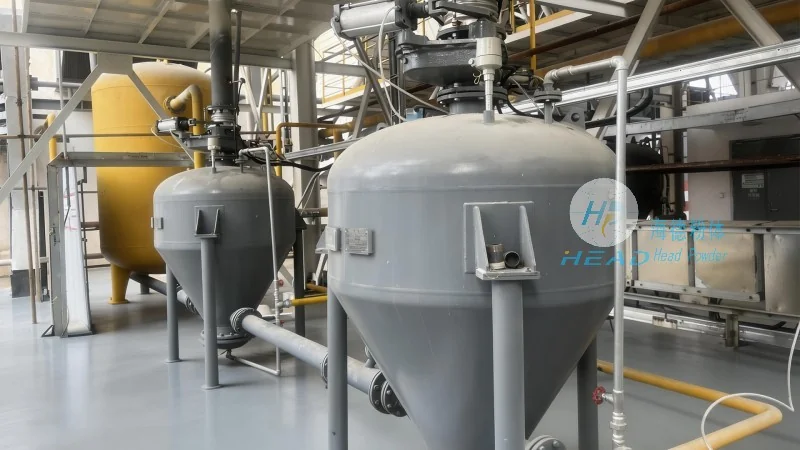
Overview of Limestone Powder Conveying
Limestone powder, characterized by its fine particle size and light weight, poses unique challenges during transportation. Traditional bulk material handling techniques may not be suitable due to the risk of dust generation and material degradation. Therefore, specialized conveying systems are essential to preserve the integrity of the powder and maintain operational efficiency. The selection of a conveying method depends on factors such as the powder's properties, the distance to be covered, and the required flow rate.
1. Pneumatic Conveying Systems
Pneumatic conveying, or air-assisted conveying, is a prevalent method for limestone powder transport. This system utilizes compressed air to move the powder through a pipeline. Two main types exist: pressure and vacuum systems. Pressure systems are ideal for short to medium distances, while vacuum systems are suitable for longer distances or when the powder needs to be transported from multiple sources. The advantages of pneumatic conveying include high efficiency, minimal material degradation, and the ability to handle fine powders without additional equipment like hoppers or chutes. However, it requires a continuous supply of compressed air and may have higher energy consumption compared to other methods.
2. Screw Conveyors

Screw conveyors, also known as auger conveyors, are another popular choice for limestone powder conveying. These systems employ a rotating screw to move the powder along a trough. Screw conveyors are particularly effective for horizontal or slightly inclined transport and can handle a wide range of particle sizes. They are simple in design, low-cost, and easy to maintain. The main advantage is their ability to convey the powder without the need for additional air or power sources, making them suitable for short distances and low flow rates. However, they may not be as efficient for very fine powders or when the powder is prone to caking, as the screw can cause friction and potential blockages.
3. Belt Conveyors
Belt conveyors are widely used in the bulk material handling industry and are suitable for limestone powder transport, especially over longer distances or when large quantities need to be moved. These systems consist of a continuous belt that moves over rollers or pulleys, transporting the powder from one point to another. Belt conveyors are highly efficient, capable of handling high flow rates, and can be customized for various applications. They are particularly effective for horizontal and slightly inclined transport and can be integrated with other equipment like feeders and classifiers. The main advantage is their ability to transport large volumes of material with minimal maintenance. However, they require regular inspection and maintenance to prevent belt wear and tear, and the system may be more complex to install compared to other methods.
4. Hydraulic Conveying

Hydraulic conveying, or slurry transport, involves mixing limestone powder with water to form a slurry, which is then pumped through a pipeline. This method is particularly useful for long-distance transport or when the powder needs to be transported through difficult terrain. The advantages of hydraulic conveying include the ability to handle very fine powders and the reduced risk of dust generation. However, it requires additional equipment for slurry preparation and may have higher water consumption and potential environmental concerns. The system is also more complex and requires regular maintenance of pumps and pipelines.
5. Combination Systems
In some cases, a combination of the above methods may be used to optimize limestone powder conveying. For example, a pneumatic system may be used for the initial transport from the storage silo to a processing plant, followed by a screw conveyor for internal processing. This approach allows for flexibility and efficiency, adapting to the specific needs of the operation. The choice of combination system depends on the overall process flow and the characteristics of the limestone powder being handled.
Conclusion
Choosing the right limestone powder conveying method is critical for ensuring operational efficiency and safety. Each method has its own advantages and limitations, and the selection should be based on the specific requirements of the application. For businesses in the limestone powder industry, understanding these common methods can help in optimizing their material handling processes and improving overall productivity. As a leading provider of limestone powder conveying solutions, Shandong HeadPowder Engineering Co., Ltd. specializes in designing and manufacturing customized conveying systems tailored to the unique needs of each client. With years of experience in the industry, HeadPowder offers reliable and efficient solutions to meet the diverse demands of limestone powder transportation.