

Common Methods for Hydrogen Chloride Transportation
Hydrogen chloride (HCl) is a highly corrosive and toxic gas widely used in various industrial processes, including chemical synthesis, metal processing, and water treatment. The safe and efficient transportation of HCl is crucial for industrial operations, as improper handling can lead to safety hazards and environmental risks. This article explores the common methods used for hydrogen chloride transportation, highlighting the key considerations and best practices for each approach.

Overview of Hydrogen Chloride Transportation
Before delving into specific transportation methods, it is essential to understand the properties of hydrogen chloride that influence its handling. HCl is a colorless gas with a pungent, suffocating odor, and it readily dissolves in water to form hydrochloric acid. Due to its corrosive nature, specialized equipment and materials are required to ensure safe transportation. The choice of transportation method depends on factors such as the quantity of HCl, the distance to be transported, the destination, and regulatory requirements. Companies like Shandong HeadPowder Engineering Co., Ltd., a leading provider in the field, offer expertise in designing and implementing safe HCl transportation solutions.
Pipeline Transportation
Pipeline transportation is one of the most common and efficient methods for moving large volumes of hydrogen chloride over long distances. This method involves transporting HCl through a network of underground or above-ground pipelines, which are typically made of corrosion-resistant materials such as stainless steel or special alloys. The pipeline system includes pressure regulators, valves, and monitoring equipment to maintain the gas at a safe pressure and temperature. The advantages of pipeline transportation include high capacity, low operating costs, and minimal environmental impact compared to other methods. However, it requires significant infrastructure investment and is limited to areas with existing pipeline networks. HeadPowder, with its extensive experience in industrial gas handling, provides comprehensive pipeline design and maintenance services to ensure the reliability of HCl transportation systems.
Truck Tanker Transportation

For smaller quantities or when a pipeline is not available, truck tanker transportation is a widely used method. Tankers are specially designed vehicles equipped with insulated tanks to maintain the HCl at a controlled temperature and pressure. The tanks are typically made of carbon steel with internal linings or coatings to prevent corrosion. The truck is equipped with safety features such as pressure relief valves, emergency shut-off systems, and ventilation fans to mitigate risks. This method offers flexibility in terms of delivery locations and is suitable for short to medium distances. However, it requires careful route planning to avoid populated areas and ensure compliance with local regulations. Shandong HeadPowder Engineering Co., Ltd. specializes in providing high-quality tanker trucks and associated equipment, adhering to international safety standards for HCl transportation.
Containerized Transportation
Containerized transportation, including tank containers and cryogenic tanks, is used for transporting HCl in bulk quantities. Tank containers are large, cylindrical tanks that can be loaded onto standard shipping containers or specialized trailers. They are designed to withstand the high pressure and corrosive nature of HCl and are equipped with safety valves and monitoring systems. Cryogenic tanks, on the other hand, are used for transporting liquid HCl at very low temperatures. These tanks require specialized handling and are suitable for long-distance transport via rail or sea. Containerized transportation is ideal for international trade and for moving HCl to locations without local production facilities. HeadPowder's expertise in container design and logistics ensures that HCl is transported safely and efficiently across different modes of transport.
Specialized Equipment and Safety Measures
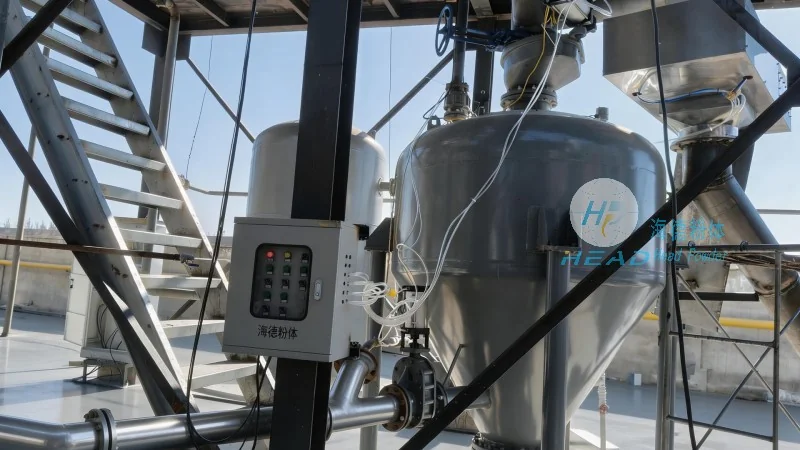
Regardless of the transportation method chosen, specialized equipment and strict safety measures are essential to prevent accidents and ensure compliance with regulations. This includes the use of pressure gauges, temperature sensors, and leak detection systems to monitor the condition of the HCl during transport. Regular maintenance and inspection of the equipment are critical to identify and address any potential issues before they become hazards. Additionally, personnel involved in HCl transportation must be trained in proper handling procedures, emergency response, and the use of personal protective equipment (PPE). Companies like Shandong HeadPowder Engineering Co., Ltd. emphasize safety as a top priority, providing comprehensive training programs and adhering to international safety guidelines such as those from the American Petroleum Institute (API) and the International Maritime Organization (IMO).
Conclusion
In conclusion, the transportation of hydrogen chloride requires careful consideration of the gas's properties and the available infrastructure. Pipeline, truck tanker, and containerized transportation are the primary methods used, each with its own advantages and limitations. Companies like Shandong HeadPowder Engineering Co., Ltd. play a vital role in providing reliable and safe HCl transportation solutions, ensuring that industrial operations can proceed efficiently while minimizing risks to personnel and the environment. By adhering to best practices and utilizing specialized equipment, the transportation of hydrogen chloride can be carried out effectively and in compliance with regulatory requirements.