

What are the methods for calcined sand conveyance?
Calcined sand, a critical material in numerous industrial processes, demands efficient and reliable conveyance systems to ensure seamless operation. The choice of conveyance method is influenced by several factors such as the material's physical properties, production scale, and the specific requirements of the end-use application. This article examines the primary methods used for calcined sand conveyance, highlighting the advantages and considerations for each approach.
1. Screw Conveyors for Calcined Sand
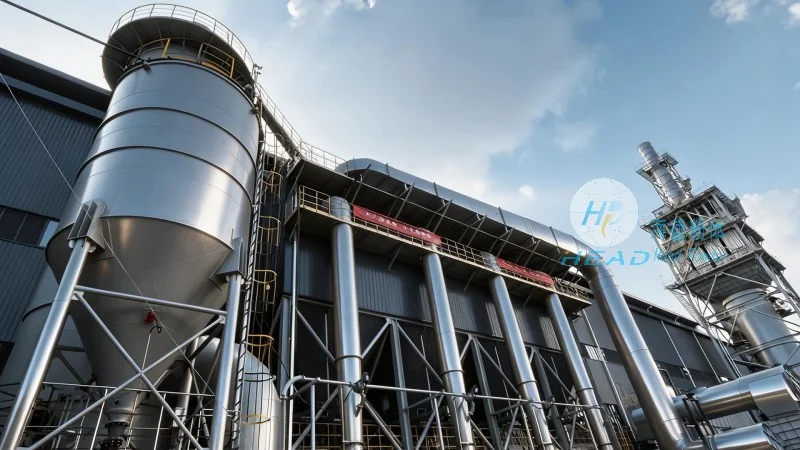
Screw conveyors, also known as auger conveyors, are among the most prevalent and adaptable equipment for transporting calcined sand. These systems consist of a rotating helical screw housed within a trough or tube, which propels the material forward. The design allows for horizontal, vertical, or inclined transport, making screw conveyors suitable for diverse applications. For calcined sand, which often exhibits a fine and abrasive nature, the smooth surface of the trough and the appropriate pitch of the screw enhance material flow. The key advantages of screw conveyors include their compact design, low maintenance requirements, and the ability to handle materials with varying moisture content. However, they may not be ideal for very large volumes or highly abrasive materials, as this can lead to increased wear on the screw and trough components. In industrial settings, screw conveyors are frequently integrated with other equipment like feeders and classifiers to optimize the calcined sand processing line.
2. Pneumatic Conveying Systems
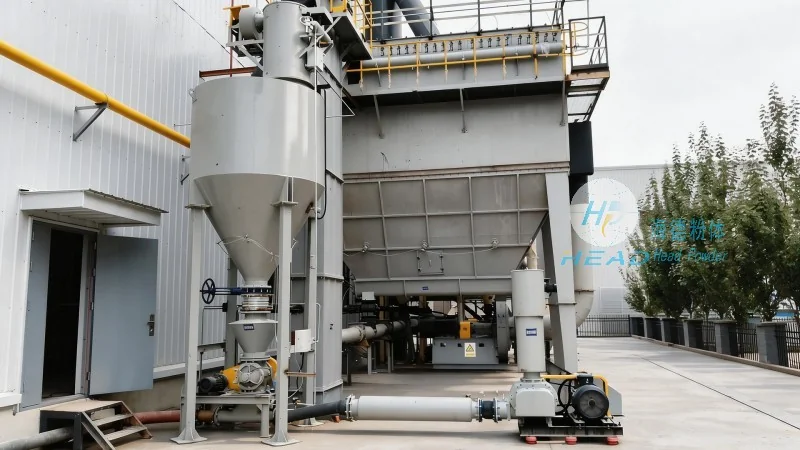
Pneumatic conveying systems utilize air or other gases to transport calcined sand through a pipeline network. This method is particularly effective for handling fine powders and granular materials, as it can transport the material over long distances without the need for multiple transfer points. There are two main types of pneumatic conveying: pressure and vacuum systems. Pressure systems employ compressed air to push the material through the pipeline, while vacuum systems use a vacuum to pull the material from the source. For calcined sand, which may be sensitive to moisture or contamination, pneumatic conveying is an excellent choice as it minimizes direct environmental contact. The system typically includes a hopper, a feeder, and a receiver, with the material being transported in a sealed pipeline. The primary benefits of pneumatic conveying include its ability to handle high volumes, its layout flexibility, and the reduced risk of material spillage compared to other methods. However, the system's cost and energy consumption for air compression are significant considerations. Additionally, the material's flow characteristics, such as density and particle size distribution, must be carefully evaluated to ensure efficient and consistent transport.
3. Belt Conveyors for Bulk Material Handling
Belt conveyors are widely used in the bulk material handling industry for transporting calcined sand, especially in large-scale operations. These systems consist of a continuous belt that moves over rollers or pulleys, carrying the material from one point to another. The design allows for both horizontal and inclined transport, with the belt speed and angle being adjustable to suit the material's characteristics. For calcined sand, which may have a tendency to stick or build up on the belt, the use of special materials or coatings on the belt surface can improve performance. Belt conveyors are capable of handling large volumes of material at high speeds, making them suitable for applications where throughput is a critical factor. The advantages of belt conveyors include their high capacity, low operating cost per tonne, and the ability to transport materials over long distances with minimal maintenance. However, they require more space compared to other conveyance methods and may need additional equipment such as idlers and tensioners to maintain proper operation. The design must also consider the material's abrasiveness to prevent premature wear on the belt and pulleys.
4. Bucket Elevators for Vertical Transport
Bucket elevators are specialized equipment designed for vertical transport of calcined sand, often used in applications where the material needs to be lifted to a higher level. The system consists of a continuous chain with buckets attached, which moves vertically within a housing. As the chain rotates, the buckets scoop up the material from a hopper at the bottom and discharge it at the top. This method is highly efficient for vertical transport and can handle a wide range of material sizes and densities. The key advantage of bucket elevators is their ability to transport material vertically without the need for additional space or complex infrastructure. They are particularly useful in industrial settings where vertical space is limited or where the material needs to be elevated to a significant height. However, bucket elevators are more complex and expensive compared to other conveyance methods, and they require regular maintenance to ensure smooth operation. The design must also account for the material's abrasiveness to prevent wear on the buckets and the housing, which can affect the system's longevity and performance.
5. Vibrating Conveyors for Fine Materials
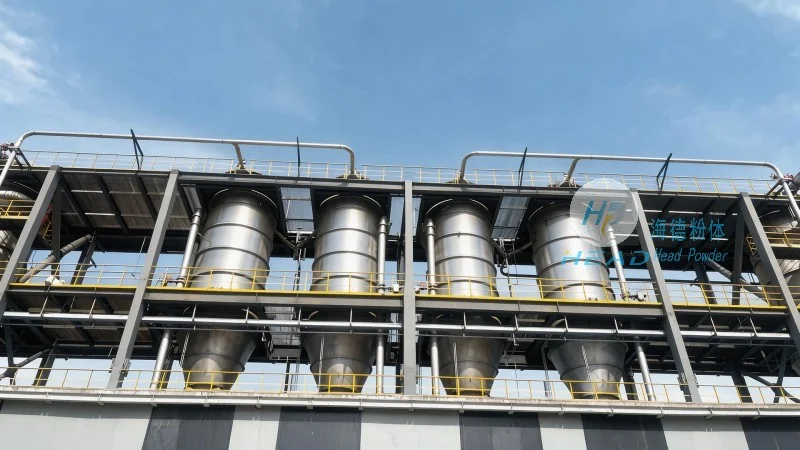
Vibrating conveyors use vibration to move calcined sand along a trough or conveyor bed. The system consists of a conveyor belt or trough that is supported by vibration motors, which cause the material to move forward through the mechanism. This method is particularly effective for handling fine powders and granular materials that may be difficult to transport using other methods. The vibration frequency and amplitude can be adjusted to optimize the material's flow characteristics, ensuring consistent and reliable transport. The advantages of vibrating conveyors include their ability to handle materials with low flowability, their low energy consumption, and the reduced risk of material blockages compared to other systems. However, they may not be suitable for very large volumes or materials that are highly abrasive, as the vibration can cause increased wear on the components. In industrial applications, vibrating conveyors are often used in conjunction with other equipment such as classifiers and mixers to enhance the calcined sand processing line.
6. Combination Systems for Complex Applications
In many industrial settings, a single conveyance method may not be sufficient to meet the complex requirements of calcined sand processing. Therefore, combination systems that integrate multiple conveyance technologies are often employed. For example, a system might use a screw conveyor for initial transport, followed by a pneumatic conveyor for long-distance transport, and then a belt conveyor for final delivery. This approach allows for flexibility and efficiency, as each component is optimized for its specific role in the process. The use of combination systems is particularly common in large-scale operations where the material needs to be processed through multiple stages, such as in cement production or glass manufacturing. The key benefits of combination systems include their ability to handle a wide range of material characteristics, their high throughput, and the reduced risk of material loss or contamination. However, the design and integration of combination systems require careful planning and expertise to ensure smooth operation and minimal downtime. The cost of the system and the complexity of maintenance are also important considerations when evaluating combination conveyance systems.
When selecting a conveyance method for calcined sand, it is essential to consider the material's properties, the scale of the operation, and the specific requirements of the end-use application. Each method has its advantages and limitations, and the optimal choice depends on the individual needs of the industry. By understanding the characteristics of each conveyance system and how they interact with the material, manufacturers can choose the most effective and efficient method for their calcined sand processing needs. This ensures not only smooth operation but also cost-effectiveness and longevity of the equipment.