

What Are the Glass Bead Conveying Methods?
When it comes to handling glass beads, selecting the right conveying method is crucial for ensuring efficiency, safety, and cost-effectiveness in industrial applications. Glass beads, often used in various industries such as coatings, inks, and construction materials, require specialized transport solutions to maintain their quality and prevent damage. This article explores the primary glass bead conveying methods, highlighting their advantages and typical applications.
Understanding Glass Bead Conveying Methods
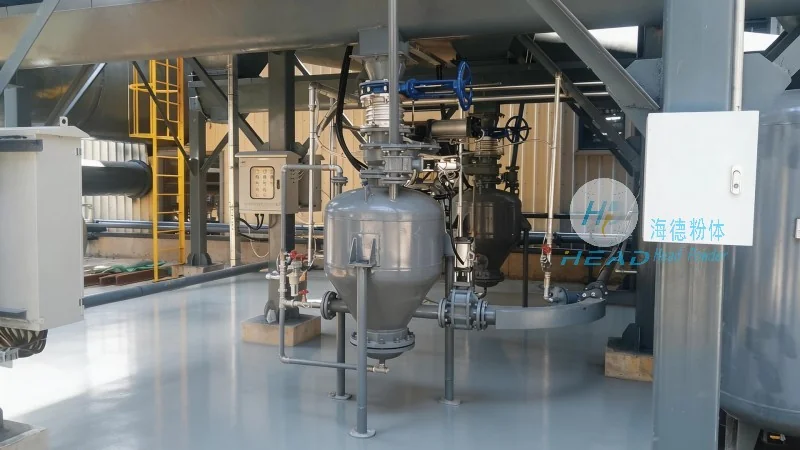
Glass beads are small, spherical particles typically made from silica, with diameters ranging from a few micrometers to several millimeters. Their lightweight and abrasive nature makes standard bulk material handling equipment unsuitable. Therefore, specialized conveying systems are essential to move these beads from storage to processing or packaging areas without compromising their integrity. The choice of conveying method depends on factors like bead size, production volume, and the specific requirements of the downstream process.
1. Screw Conveyors for Glass Beads
Screw conveyors, also known as auger conveyors, are one of the most common methods for transporting glass beads. These systems consist of a rotating helical screw inside a trough or tube, which moves the beads forward through the enclosed channel. Screw conveyors are particularly effective for horizontal or slight incline transport, as they can handle a wide range of bead sizes and provide a continuous, controlled flow. The enclosed design helps prevent dust and contamination, which is critical for maintaining the purity of glass beads used in sensitive applications like optical coatings or high-performance inks.

2. Pneumatic Conveying Systems
Pneumatic conveying, or air-assisted transport, is another popular method for glass bead handling. This technique uses compressed air to move beads through a pipeline, either in a dilute-phase (where beads are suspended in air) or dense-phase (where beads are more concentrated) mode. Pneumatic systems are ideal for long-distance transport, vertical lifting, and when a closed system is required to contain dust. They offer flexibility in layout and can be integrated with other processing equipment, making them suitable for complex production lines. However, they require careful design to prevent pressure drops and ensure consistent bead flow, which can impact system efficiency.
3. Belt Conveyors and Vibratory Conveyors
Belt conveyors and vibratory conveyors are also used in glass bead transport, especially for bulk handling and material transfer over longer distances. Belt conveyors use a continuous belt to move beads horizontally or at a slight angle, while vibratory conveyors rely on vibrations to move the material along a trough. These methods are often employed in storage and transfer applications where the beads need to be moved from silos or hoppers to processing units. They are generally more cost-effective for large volumes and less demanding on bead size compared to screw or pneumatic systems.
4. Hydraulic Conveying
Hydraulic conveying systems use fluid (often water or a specialized medium) to transport glass beads. This method is particularly useful for handling beads in wet or slurry applications, such as in the production of glass beads for water filtration or abrasive media. Hydraulic conveyors can handle high volumes and provide gentle transport, minimizing bead breakage. However, they require additional equipment for fluid management and are more complex to maintain compared to other systems.

Key Considerations for Selecting a Conveying Method
When choosing a glass bead conveying method, several factors must be considered to ensure optimal performance. First, the bead size and shape affect the choice of equipment; for example, very fine beads may require pneumatic systems with fine filters to prevent clogging. Second, the production volume and throughput requirements dictate the capacity of the conveyor. Third, the distance and layout of the transport path influence whether a horizontal, inclined, or vertical system is needed. Additionally, environmental and safety considerations, such as dust control and material containment, are critical, especially in industries where glass beads are used in food or pharmaceutical applications.
Conclusion
Each glass bead conveying method has its strengths and is suited to specific industrial needs. Screw conveyors offer reliability and enclosed transport, while pneumatic systems provide flexibility and dust containment. Belt and vibratory conveyors are effective for bulk handling, and hydraulic systems are ideal for wet applications. By understanding the characteristics of glass beads and the requirements of the processing line, manufacturers can select the most appropriate conveying method to ensure efficient, safe, and cost-effective operation. As a leading provider of glass bead solutions, Shandong HeadPowder Engineering Co., Ltd. specializes in designing and manufacturing customized conveying systems tailored to the unique needs of each client, ensuring optimal performance and longevity in glass bead handling applications.