

Methods of Corn Flour Conveying
Efficient and reliable corn flour conveying is a critical aspect of industrial processing, ensuring smooth material flow from storage to production lines. As a leading provider in the field, Shandong HeadPowder Engineering Co., Ltd. specializes in delivering tailored conveying solutions that meet the unique demands of corn flour handling. This article explores various methods of corn flour conveying, highlighting the advantages and applications of each approach.

1. Screw Conveyor for Corn Flour
Screw conveyors, also known as auger conveyors, are widely used for transporting corn flour due to their simplicity and effectiveness. These systems consist of a rotating helical screw inside a tube, which moves material along the conveyor's length. The design allows for vertical and horizontal transport, making them versatile for different operational setups. For corn flour, which is often in a fine powder or granular form, screw conveyors provide gentle handling, minimizing product degradation and ensuring consistent flow. Shandong HeadPowder Engineering Co., Ltd. offers custom screw conveyor solutions that can be adjusted for different corn flour types, ensuring optimal performance in terms of capacity and efficiency.
2. Pneumatic Conveying Systems
Pneumatic conveying, or air-based transport, is another popular method for corn flour handling. This technology uses air pressure to move the material through a pipeline system. There are two main types: pressure and vacuum systems. Pressure systems push the corn flour using compressed air, while vacuum systems pull the material using a vacuum pump. Pneumatic conveying is particularly advantageous for transporting corn flour over longer distances or in complex layouts, as it can handle multiple points of loading and unloading. It also provides a closed system, reducing dust emissions and improving safety. Shandong HeadPowder Engineering Co., Ltd. designs pneumatic conveying systems tailored to the specific characteristics of corn flour, such as particle size and moisture content, to ensure reliable and efficient transport.
3. Belt Conveyor for Bulk Corn Flour
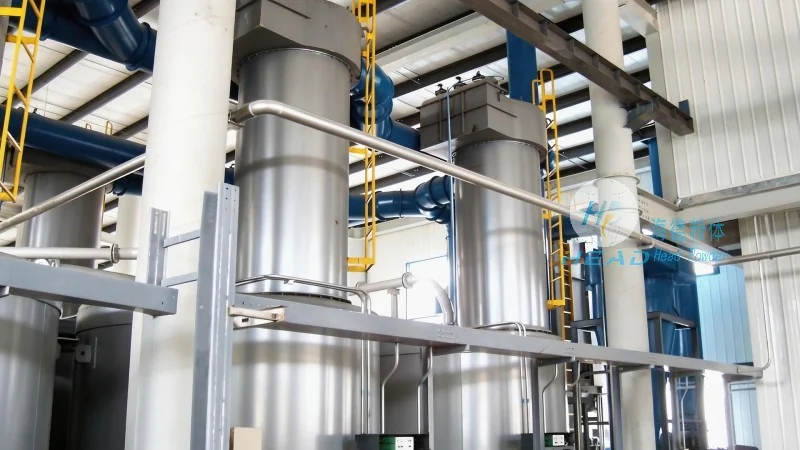
Belt conveyors are commonly used for bulk corn flour transport, especially in large-scale operations. These systems utilize a continuous belt that moves the material along a fixed path. The belt is typically made of durable materials like rubber or plastic, suitable for handling fine powders. Belt conveyors can transport corn flour over long distances with high capacity, making them ideal for feed mills, flour mills, and other industrial facilities. They are also easy to install and maintain, with minimal downtime. Shandong HeadPowder Engineering Co., Ltd. provides customized belt conveyor solutions that can be integrated with existing processing lines, ensuring seamless material flow and enhancing overall operational efficiency.
4. Bucket Elevator for Vertical Corn Flour Transport
For vertical transport of corn flour, bucket elevators are an effective solution. These systems consist of a vertical or inclined conveyor with buckets attached to a chain or belt. As the buckets move up the elevator, they scoop up corn flour and discharge it at the top. Bucket elevators are capable of handling large volumes of corn flour and can be used to lift material from ground level to elevated storage or processing areas. They are particularly useful in facilities where vertical space is limited or where the corn flour needs to be elevated for further processing. Shandong HeadPowder Engineering Co., Ltd. designs bucket elevators that are robust and efficient, ensuring reliable vertical transport of corn flour while minimizing product breakage.
5. Vibrating Conveyors for Gentle Corn Flour Handling
Vibrating conveyors use vibration to move corn flour along a trough. The system consists of a conveyor bed that vibrates at specific frequencies, causing the material to move forward. This method is gentle on the corn flour, preventing agglomeration and ensuring consistent flow. Vibrating conveyors are suitable for transporting fine powders and can handle materials with varying moisture levels. They are also easy to clean and maintain, making them ideal for food processing applications where hygiene is critical. Shandong HeadPowder Engineering Co., Ltd. offers vibrating conveyor solutions that are designed to meet the strict hygiene standards required for corn flour handling, ensuring safe and efficient transport.
6. Combination Conveying Systems
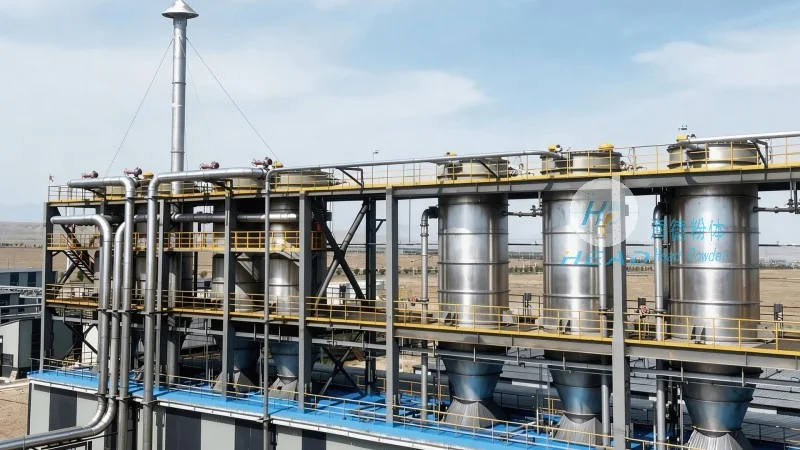
In many industrial settings, a single conveying method may not be sufficient for complex corn flour handling requirements. Shandong HeadPowder Engineering Co., Ltd. specializes in designing combination conveying systems that integrate multiple technologies to achieve optimal performance. For example, a system might combine a screw conveyor for initial transport with a pneumatic conveyor for long-distance transport, or a belt conveyor for bulk handling with a bucket elevator for vertical transport. These integrated systems allow for flexible and efficient material flow, adapting to the changing needs of the production process. By combining different conveying methods, companies can achieve higher throughput, reduce energy consumption, and improve overall operational efficiency.
When selecting a corn flour conveying method, it is essential to consider factors such as the corn flour's properties, the required transport distance, the capacity needs, and the operational environment. Shandong HeadPowder Engineering Co., Ltd. provides expert consultation and tailored solutions to help clients choose the most suitable conveying system for their specific requirements. With years of experience in the industry, the company ensures that each conveying solution is designed to meet the highest standards of efficiency, reliability, and safety. Whether it's a screw conveyor, pneumatic system, belt conveyor, or a combination of these, Shandong HeadPowder Engineering Co., Ltd. delivers innovative and effective corn flour conveying solutions that enhance productivity and ensure smooth material flow in industrial processing.