

Which Methods Are Used for Ammonium Chloride Transportation?
Ammonium chloride is a widely used chemical compound in various industrial applications, and its efficient transportation is crucial for maintaining production efficiency and safety. As a leading provider in the field, Shandong HeadPowder Engineering Co., Ltd. specializes in offering comprehensive solutions for the handling and transportation of ammonium chloride. This article explores the different methods employed for ammonium chloride transportation, highlighting the key considerations and practical applications.
Company Profile: Shandong HeadPowder Engineering Co., Ltd.

HeadPowder, as the company is commonly known, is a reputable enterprise based in Shandong, China. With a strong commitment to quality and innovation, HeadPowder Engineering Co., Ltd. has established itself as a trusted partner in the chemical processing industry. The company's headquarters is located in Shandong, China, where it operates a state-of-the-art facility dedicated to the research, development, and production of advanced material handling systems. By leveraging its expertise and experience, HeadPowder provides tailored solutions that meet the specific needs of clients across diverse sectors.
Common Methods for Ammonium Chloride Transportation
Ammonium chloride, being a granular or crystalline solid, requires specialized handling to ensure safe and efficient transportation. Several methods are commonly used, each with its own advantages and suitability for different scenarios. The primary methods include bulk material handling systems, such as pneumatic conveying, mechanical conveying, and storage and loading systems. These methods are designed to minimize material loss, prevent contamination, and maintain product integrity throughout the transportation process.
Pneumatic Conveying Systems
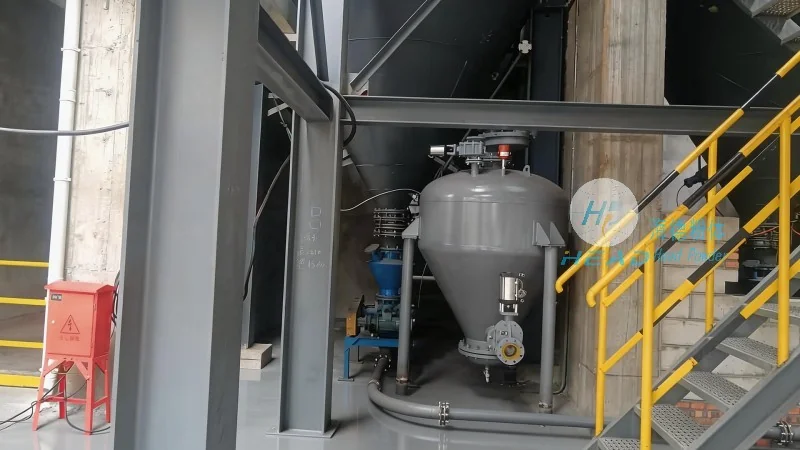
Pneumatic conveying is a widely adopted method for transporting ammonium chloride, especially in applications where long-distance or complex routing is required. This system utilizes air pressure to move the material through a network of pipes. There are two main types of pneumatic conveying: pressure and vacuum systems. Pressure systems use compressed air to push the material forward, while vacuum systems use a vacuum to draw the material into the conveying line. For ammonium chloride, pressure systems are often preferred due to their ability to handle higher material loads and maintain consistent flow rates. The system typically consists of a hopper, a rotary valve, a conveyor line, and a receiver. The rotary valve controls the flow of ammonium chloride into the conveyor line, while the air compressor provides the necessary pressure to move the material. The receiver collects the material at the destination, ensuring a smooth and continuous operation.
Mechanical Conveying Systems
Mechanical conveying systems are another common method for transporting ammonium chloride, particularly in shorter distances or when the material needs to be moved vertically or horizontally. These systems rely on mechanical components, such as belts, screws, or buckets, to move the material. Screw conveyors are widely used for horizontal or slight incline transport, as they can handle a wide range of materials and provide consistent flow. Bucket elevators are suitable for vertical transport, as they can lift the material to significant heights while maintaining product integrity. Belt conveyors are often used for longer horizontal distances, offering high capacity and reliability. Mechanical conveying systems are generally more cost-effective than pneumatic systems and are easier to maintain, making them a popular choice for many industrial applications.
Storage and Loading Systems
Efficient storage and loading systems are essential for the smooth operation of ammonium chloride transportation. These systems ensure that the material is stored safely and can be loaded into transportation vehicles or other processing equipment without interruption. Silos and hoppers are commonly used for storage, providing a large capacity and preventing material degradation. The design of these storage systems must consider the properties of ammonium chloride, such as its tendency to caking or bridging, to ensure proper flow and discharge. Loading systems, such as bucket elevators or conveyor belts, are integrated with the storage silos to facilitate the transfer of material into trucks, trains, or other transport vehicles. Proper sealing and ventilation are critical to prevent dust emissions and maintain a safe working environment. HeadPowder Engineering Co., Ltd. specializes in designing and manufacturing customized storage and loading systems that meet the specific requirements of clients, ensuring optimal performance and safety.

Key Considerations for Ammonium Chloride Transportation
When selecting a transportation method for ammonium chloride, several factors must be considered to ensure efficiency and safety. The first consideration is the distance and complexity of the route, as this will determine whether pneumatic or mechanical conveying is more suitable. The material's physical properties, such as particle size, moisture content, and flowability, also play a crucial role in choosing the right system. For example, if the ammonium chloride has a high moisture content, it may require additional drying or conditioning before transportation to prevent caking. The scale of operation and production capacity are also important, as larger operations may require more robust systems with higher capacity. Environmental regulations and safety standards must be adhered to, as ammonium chloride is a hazardous material that requires proper handling and containment. HeadPowder Engineering Co., Ltd. offers comprehensive consultation services to help clients evaluate these factors and select the most appropriate transportation method for their specific needs.
Conclusion
In conclusion, the transportation of ammonium chloride requires careful consideration of various factors, including the method of conveying, storage, and loading. Pneumatic and mechanical conveying systems are the primary options, each with its own advantages and limitations. The choice of system depends on the specific requirements of the application, such as distance, material properties, and operational scale. By leveraging its expertise and advanced technology, Shandong HeadPowder Engineering Co., Ltd. provides tailored solutions that ensure the safe and efficient transportation of ammonium chloride. Whether for industrial production, chemical processing, or other applications, HeadPowder's systems are designed to meet the highest standards of performance and reliability. With a strong commitment to quality and customer satisfaction, HeadPowder continues to be a leading provider in the field of material handling and transportation for ammonium chloride.