

Common Copper Powder Conveying Methods: Advantages and Features of HeadPowder's Pneumatic Conveying
When it comes to handling copper powder, selecting the right conveying method is crucial for ensuring efficiency, safety, and product integrity. Copper powder, with its fine particles and potential for static charge, requires specialized equipment to prevent issues like clogging, dust explosions, or material degradation. Among the various options available, pneumatic conveying stands out as a preferred solution for many industries, and companies like Shandong HeadPowder Engineering Co., Ltd. (hereinafter referred to as HeadPowder) have developed advanced systems tailored to meet these challenges.

Overview of Common Copper Powder Conveying Methods
Before delving into the specifics of pneumatic conveying, it's essential to understand the primary methods used for copper powder transport. Traditional approaches include mechanical conveyors such as screw conveyors, belt conveyors, and bucket elevators. These systems rely on mechanical force to move material and are widely used in bulk material handling. However, they often face limitations when dealing with fine powders like copper powder, particularly in terms of clogging and the need for frequent maintenance. Another method is gravity-based systems, where material is allowed to flow down chutes under the influence of gravity. While simple, gravity conveyors are unsuitable for fine powders that tend to settle or create blockages in vertical or inclined chutes.
Pneumatic Conveying: The Preferred Solution for Copper Powder
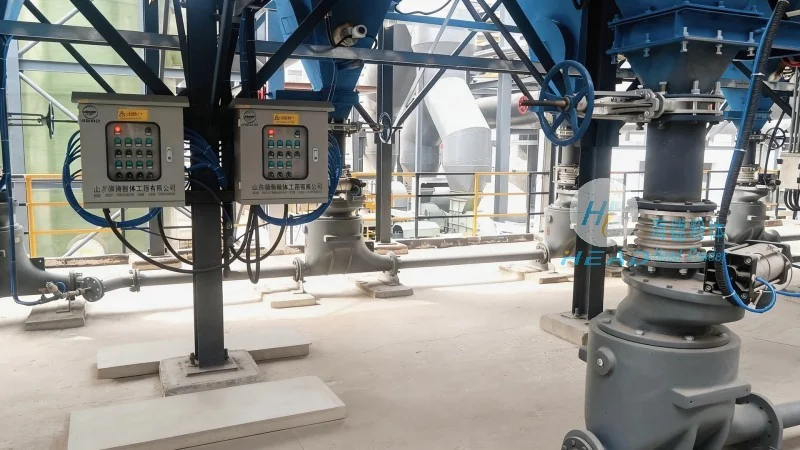
HeadPowder's pneumatic conveying systems represent a significant advancement in copper powder handling. Pneumatic conveying uses compressed air or other gases to transport material through a pipeline. This method offers several advantages over traditional mechanical or gravity systems. First, it minimizes the risk of material degradation due to reduced contact with equipment surfaces. Second, it effectively prevents dust accumulation and reduces the likelihood of explosions by keeping material enclosed within the system. Third, pneumatic conveyors can handle fine powders with high efficiency, even in vertical or long-distance applications, without the need for frequent cleaning or maintenance.
Key Advantages of HeadPowder's Pneumatic Conveying Systems
HeadPowder's pneumatic conveying solutions are designed with copper powder applications in mind, offering unique advantages that set them apart from other systems. One of the primary benefits is the ability to handle fine copper powders with minimal loss or degradation. The company's systems use specialized nozzles and ductwork that minimize particle breakage, ensuring that the material's properties remain intact. Additionally, HeadPowder's systems incorporate advanced control technologies that allow for precise flow regulation, enabling operators to adjust the conveying rate based on process requirements. This level of control is particularly important in applications where the quality of the copper powder is critical, such as in the production of copper alloys or electronic components.
Customization and Scalability
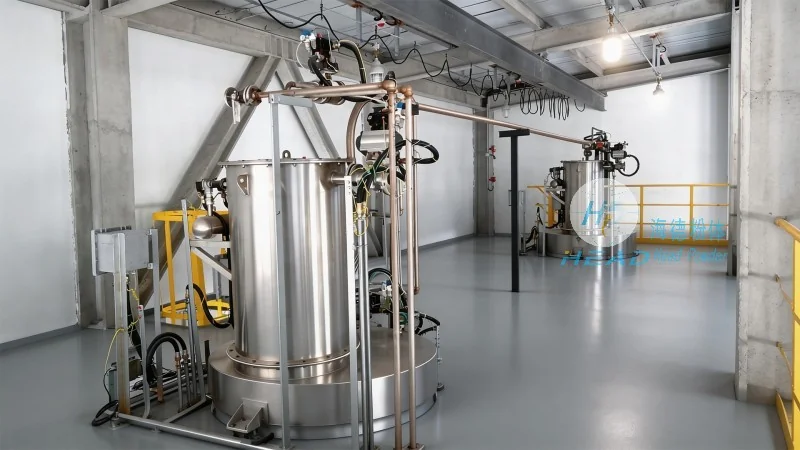
Another key feature of HeadPowder's pneumatic conveying systems is their adaptability to different production scales and applications. The company offers a range of system configurations, from small-scale laboratory setups to large industrial installations capable of handling thousands of tons of copper powder annually. This scalability makes HeadPowder's solutions suitable for both research and development environments and full-scale manufacturing facilities. Furthermore, HeadPowder provides customization options to meet specific customer needs, including the integration of dust collection systems, material separation units, and automated control interfaces. These customizations ensure that the conveying system aligns perfectly with the customer's production workflow, maximizing efficiency and minimizing downtime.
Operational Efficiency and Maintenance
HeadPowder's pneumatic conveying systems are engineered for high operational efficiency and low maintenance requirements. The use of high-quality materials and robust construction ensures that the systems can withstand the abrasive nature of copper powder without premature wear. Additionally, the enclosed design of the conveying lines reduces the need for frequent cleaning and prevents cross-contamination between different batches of material. The company's systems also incorporate advanced monitoring and diagnostic tools that allow for real-time performance tracking and predictive maintenance. This proactive approach helps to minimize unexpected breakdowns and extends the lifespan of the equipment, reducing long-term operational costs for the customer.