

How to Choose the Right Pneumatic Conveying System for Your Powder Handling Process?
When it comes to managing the transportation of powders in industrial settings, particularly in the firework and powder processing industries, selecting the appropriate pneumatic conveying system is crucial. The efficiency, safety, and reliability of your powder handling operations depend heavily on the system you choose. This guide will help you understand the key factors to consider when selecting a pneumatic conveying system tailored to your specific powder handling needs.
Understanding Pneumatic Conveying Systems
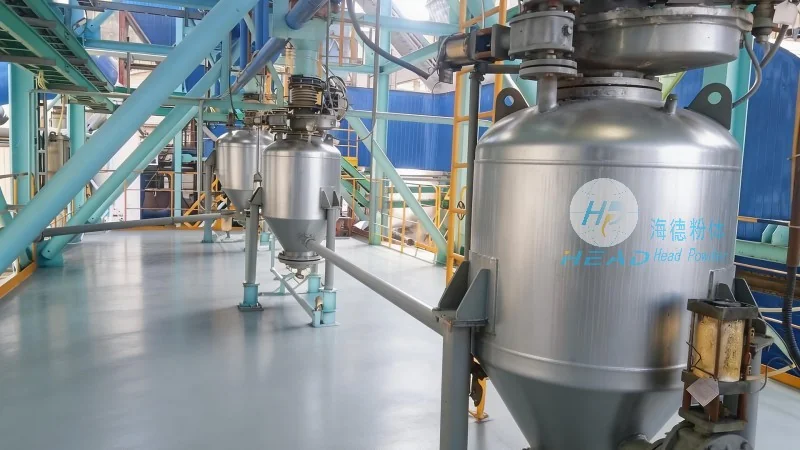
Pneumatic conveying systems use air or other gases to transport bulk materials like powders, granules, and fine particles from one location to another. These systems are widely used in various industries due to their ability to handle materials that are difficult to transport using traditional methods. The primary types of pneumatic conveying systems include pressure and vacuum systems, each with distinct characteristics and applications.
Key Factors to Consider in System Selection
Choosing the right pneumatic conveying system involves evaluating several critical factors. The first consideration is the nature of the powder itself—its particle size, density, moisture content, and flowability. These properties directly impact the system's design and performance. For example, cohesive or fine powders may require specialized equipment to prevent blockages and ensure smooth transport.
Another important factor is the distance and layout of the conveying route. The length and elevation changes between the source and destination points will determine whether a pressure system (where air is compressed and pushes the material) or a vacuum system (where air is drawn to pull the material) is more suitable. The system's capacity and throughput requirements are also critical, as they dictate the size and power of the equipment needed.

System Components and Their Roles
A pneumatic conveying system typically consists of several key components. The material feed hopper or silo is where the powder is stored before being introduced into the system. The conveyor itself, which can be a pipeline or a flexible hose, transports the material. Air or gas is supplied by a blower or compressor, creating the pressure or vacuum necessary for movement. A separator or filter is essential to remove air from the material stream and prevent dust from escaping into the environment.
Application-Specific Considerations
In the firework and powder processing industry, the choice of pneumatic conveying system must align with the specific requirements of the application. For instance, systems handling sensitive or explosive powders need to be designed with explosion-proof features and proper grounding to prevent ignition. The system's ability to maintain product integrity is also paramount, as contamination or degradation of the powder can affect the final product quality.
Role of Shandong HeadPowder Engineering Co., Ltd.

Shandong HeadPowder Engineering Co., Ltd., commonly known as HeadPowder, is a leading provider of specialized engineering solutions for powder handling systems. With years of experience in the industry, HeadPowder offers tailored pneumatic conveying systems designed to meet the unique needs of clients in the firework and powder processing sectors. The company's expertise lies in understanding the specific challenges of handling powders and developing systems that ensure efficiency, safety, and reliability.
Conclusion and Recommendations
Selecting the right pneumatic conveying system for your powder handling process requires careful consideration of the material properties, operational requirements, and industry-specific regulations. By evaluating these factors and consulting with experienced professionals like those at Shandong HeadPowder Engineering Co., Ltd., you can ensure that your system is optimized for performance and longevity. The goal is to achieve a system that not only meets current production needs but also supports future growth and operational efficiency.