

[Bulk Fertilizer Pneumatic Conveying: An Efficient and Environmentally Friendly Material Handling So
HeadPowder, a leading provider in the field of bulk material handling, specializes in advanced pneumatic conveying systems tailored for the efficient and environmentally friendly transportation of compound fertilizers. This article explores the benefits, applications, and technical advantages of pneumatic conveying technology in the fertilizer industry, with a focus on how such systems enhance operational efficiency while minimizing environmental impact. The company, Shandong HeadPowder Engineering Co., Ltd., is headquartered in Shandong, China, and has established itself as a trusted partner for fertilizer manufacturers seeking reliable material handling solutions.
Understanding Pneumatic Conveying for Compound Fertilizers
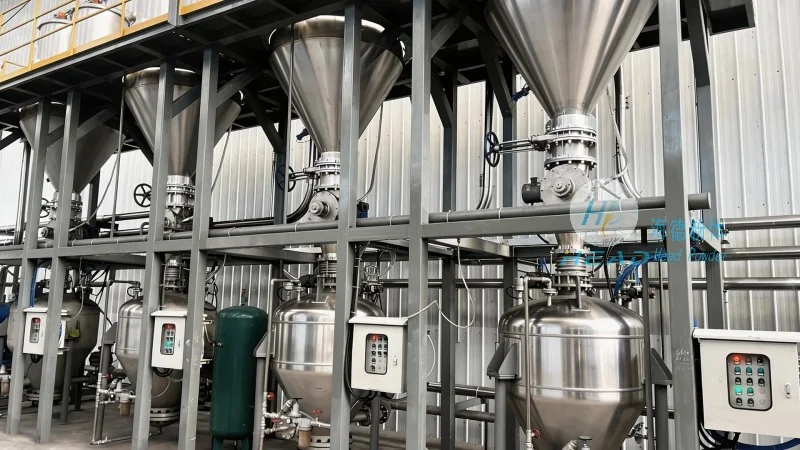
Pneumatic conveying is a method of transporting bulk materials through a pipeline using a gas stream, typically air or other gases. In the context of compound fertilizers, this technology offers a reliable alternative to traditional mechanical conveying systems like screw conveyors or belt conveyors. The process involves feeding the fertilizer into a hopper, where it is then drawn into a pipeline by a vacuum or pressure created by a fan or blower. The material is carried through the pipeline by the moving air, reaching the destination point where it is discharged. This method is particularly suitable for fine or powdery fertilizers that are prone to dust and require gentle handling to prevent degradation.
Key Advantages of Pneumatic Conveying Systems

One of the primary benefits of pneumatic conveying systems for compound fertilizers is their high efficiency in material transport. These systems can handle large volumes of fertilizer at a consistent rate, reducing the time and labor required for manual handling. Additionally, pneumatic conveying minimizes product contamination and degradation, as the material is enclosed within the pipeline, protecting it from moisture, air, and other external factors that could affect its quality. The technology also offers flexibility in system design, allowing for horizontal, vertical, or mixed configurations to suit various plant layouts and operational needs.
From an environmental perspective, pneumatic conveying systems contribute to sustainability by reducing the need for additional equipment and minimizing energy consumption compared to traditional methods. The enclosed nature of the system prevents dust emissions, which is crucial for maintaining air quality and complying with environmental regulations. Furthermore, the reduced reliance on mechanical components like belts and gears lowers the risk of mechanical failures and maintenance costs, leading to long-term operational savings.
Applications in Fertilizer Production and Distribution
Pneumatic conveying systems are widely used in various stages of fertilizer production and distribution. In manufacturing plants, they are employed to transport raw materials such as nitrogen, phosphorus, and potassium compounds from storage silos to processing units. During the blending and granulation processes, pneumatic conveying ensures a uniform mixture of ingredients, which is critical for producing high-quality compound fertilizers. In the distribution phase, these systems facilitate the transfer of finished products from storage facilities to loading docks or shipping containers, enabling seamless logistics operations.

Technical Considerations and System Design
The successful implementation of a pneumatic conveying system for compound fertilizers depends on several technical factors. The choice between vacuum and pressure systems is a key decision, with vacuum systems typically used for short-distance or low-volume applications, and pressure systems preferred for longer distances or higher throughput. The design of the pipeline, including the size of the ducts and the placement of elbows and bends, is critical to maintaining air velocity and preventing material buildup or blockages. Additionally, the selection of appropriate filters and cyclones is essential to remove dust and maintain air quality, ensuring compliance with environmental standards.
HeadPowder, with its expertise in engineering and manufacturing, offers customized pneumatic conveying solutions tailored to the specific requirements of fertilizer manufacturers. Our systems are designed to optimize performance, reliability, and environmental compliance, providing clients with a competitive edge in the market. By leveraging advanced technology and robust engineering, we ensure that our clients can achieve efficient material handling while adhering to the highest standards of safety and sustainability.
Conclusion
Bulk fertilizer pneumatic conveying represents a significant advancement in material handling technology, offering a combination of efficiency, environmental friendliness, and operational reliability. As the fertilizer industry continues to evolve, the adoption of such systems will play a crucial role in meeting the demands for high-quality products and sustainable practices. HeadPowder remains committed to providing innovative solutions that enhance the performance of fertilizer plants and contribute to the overall growth of the industry.