

How to Design a Rational Corn Kernels Pneumatic Conveying System Plan
When it comes to efficiently transporting corn kernels, a well-designed pneumatic conveying system is essential for maintaining product quality and operational efficiency. As a leading provider in the field, Shandong HeadPowder Engineering Co., Ltd. specializes in creating customized solutions tailored to the unique needs of corn processing facilities. This article outlines the key considerations and steps involved in designing a rational corn kernels pneumatic conveying system, ensuring optimal performance and reliability.

Understanding the Basics of Corn Kernels Pneumatic Conveying
Before diving into the design process, it's crucial to understand the fundamental principles of pneumatic conveying. This method uses air or gas to transport solid materials like corn kernels through a pipeline system. The primary types of pneumatic conveying systems include positive pressure, negative pressure, and hybrid systems. Each type has its own advantages and is suitable for different operational conditions and material characteristics. For corn kernels, which are relatively light and have a certain level of moisture, selecting the right system type is critical to prevent product degradation and ensure smooth operation.
Key Design Factors for a Corn Kernels Pneumatic Conveying System
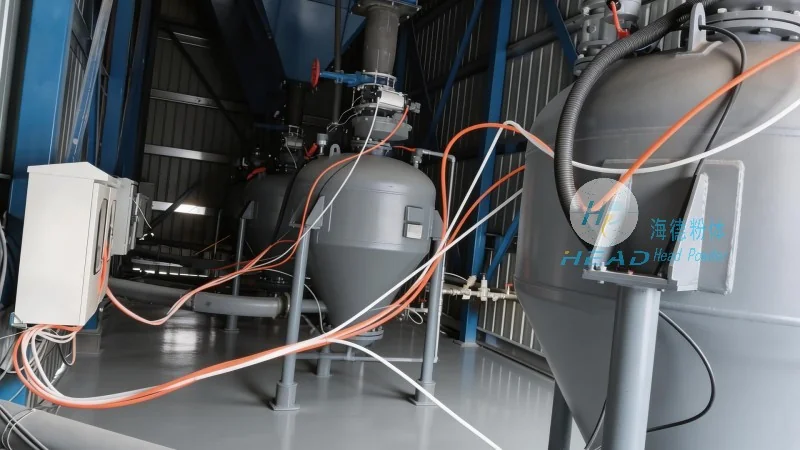
Several critical factors must be considered when designing a corn kernels pneumatic conveying system. First, the material's physical properties, such as particle size, density, and moisture content, play a significant role. Corn kernels typically have a particle size ranging from 5 to 15 millimeters and a bulk density of around 600-700 kg/m³. These characteristics affect the air velocity required for effective transport and the system's overall pressure drop. Second, the system's capacity and flow rate are determined by the production requirements of the corn processing facility. Whether the goal is to transport raw corn kernels from storage to processing equipment or to move finished products, the system must be sized to meet the specific throughput needs. Third, the distance and layout of the conveying line are important considerations. Longer distances may require higher air pressures or larger pipe diameters to maintain adequate flow rates. Additionally, the presence of vertical lifts or horizontal runs will impact the system's design, as vertical lifts increase the pressure requirements due to gravity.
System Components and Their Roles
A corn kernels pneumatic conveying system consists of several key components, each playing a vital role in the overall operation. The main components include the material feed hopper, which holds the corn kernels and feeds them into the system; the air supply unit, which provides the necessary air or gas to move the material; the conveying line, which transports the corn kernels through the system; the separation equipment, such as cyclones or filters, which separates the material from the air; and the discharge equipment, which delivers the corn kernels to the final destination. The feed hopper is designed to prevent material bridging and ensure a consistent flow rate. The air supply unit, often a blower or compressor, generates the required air pressure and flow rate. The conveying line is typically made of stainless steel or other corrosion-resistant materials to withstand the abrasive nature of corn kernels. The separation equipment is crucial for maintaining product quality by removing dust and fines from the air stream. Finally, the discharge equipment, such as a rotary valve or a metering device, controls the flow of corn kernels to the next stage of processing.
Design Process and Calculations

The design process for a corn kernels pneumatic conveying system involves a series of calculations to determine the appropriate system parameters. The first step is to calculate the required air velocity, which is typically between 20 to 30 meters per second for corn kernels. This velocity ensures that the material is fully suspended in the air stream and prevents particle settling. Next, the pressure drop along the conveying line is calculated, which is influenced by factors such as pipe diameter, length, and fittings. The pressure drop must be within the capacity of the air supply unit. The system's capacity is then determined by the product of the air velocity and the cross-sectional area of the conveying line. Finally, the power consumption of the system is calculated, which is an important factor for operational costs. Shandong HeadPowder Engineering Co., Ltd. uses advanced software and engineering expertise to perform these calculations accurately, ensuring that the final system meets all performance and efficiency requirements.
Customization and Integration with Existing Facilities
One of the key advantages of working with Shandong HeadPowder Engineering Co., Ltd. is the ability to customize the corn kernels pneumatic conveying system to fit the specific needs of the corn processing facility. The company's engineers work closely with clients to understand their operational requirements, space constraints, and budget considerations. This collaborative approach ensures that the final system is not only efficient but also integrates seamlessly with existing equipment and infrastructure. For example, if the corn processing facility has limited space, the system can be designed with compact components and a vertical layout. If the facility operates in a high-humidity environment, the system can be equipped with corrosion-resistant materials and effective dust control measures. Shandong HeadPowder Engineering Co., Ltd. also provides post-installation support and maintenance services to ensure the long-term reliability and performance of the system.
Conclusion and Recommendations
Designing a rational corn kernels pneumatic conveying system requires careful consideration of material properties, operational requirements, and system components. By following a systematic approach and leveraging the expertise of a reputable company like Shandong HeadPowder Engineering Co., Ltd., corn processing facilities can achieve efficient, reliable, and cost-effective material transport. The key to success is understanding the unique characteristics of corn kernels and selecting the appropriate system type and components. With the right design and implementation, a corn kernels pneumatic conveying system can significantly improve the overall productivity and quality of the corn processing operation.