

How to Design a Reasonable Alumina Pneumatic Conveying System Plan
Alumina, a critical material in various industrial applications, requires efficient and reliable transportation methods to ensure smooth production processes. A well-designed pneumatic conveying system is essential for handling alumina safely and effectively. This article will explore the key considerations and steps involved in designing a reasonable alumina pneumatic conveying system, with a focus on the expertise of Shandong HeadPowder Engineering Co., Ltd., a leading provider in the field.

Understanding the Core Requirements for Alumina Pneumatic Conveying
Before diving into the design process, it's crucial to understand the specific characteristics of alumina and the operational demands of the application. Alumina is often used in high-purity applications, such as in the production of ceramics, refractory materials, and chemical products. Therefore, the conveying system must maintain the material's quality, prevent contamination, and ensure minimal degradation during transport. Additionally, factors like the material's density, flowability, and potential dust generation must be considered to select the appropriate conveying method and equipment.
Key Design Considerations for a Pneumatic Conveying System
Designing an effective alumina pneumatic conveying system involves several critical factors that directly impact performance and reliability. The first step is to determine the conveying distance and the required material flow rate. This information helps in selecting the appropriate type of system, whether it's a pressure or vacuum system, and the necessary components like blowers, cyclones, and ductwork. The system's capacity must be matched to the production needs to avoid bottlenecks or underutilization of equipment. Furthermore, the choice of materials for the ductwork and components is vital to prevent corrosion or wear, especially when dealing with abrasive alumina particles.
Components and Equipment for Alumina Pneumatic Conveying
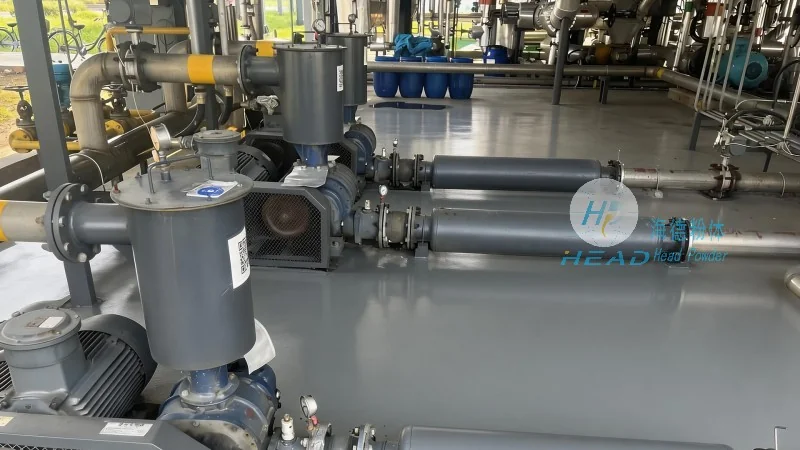
The success of an alumina pneumatic conveying system relies on the integration of several key components. The primary equipment includes a blower or compressor to generate the necessary air pressure, which propels the alumina particles through the system. Cyclones are commonly used as separation devices to separate the material from the air stream, ensuring that the alumina is collected efficiently and the air is cleaned before release. Ductwork, typically made of stainless steel or other corrosion-resistant materials, is designed to handle the abrasive nature of alumina and maintain system integrity. Additionally, accessories like filters, silencers, and control valves are essential for maintaining system performance and safety.
System Layout and Integration with Production Processes
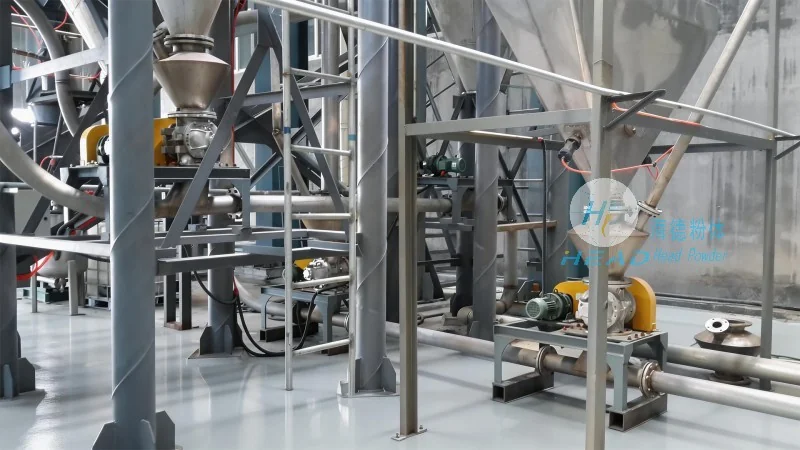
The layout of the pneumatic conveying system must be carefully planned to integrate seamlessly with existing production lines. This involves determining the optimal locations for material feed points, storage silos, and discharge points to minimize material handling time and reduce the risk of contamination. The system should also be designed to allow for easy maintenance and cleaning, as alumina can accumulate in ducts and components over time. Proper sealing and airtight connections are critical to prevent air leaks, which can reduce system efficiency and increase energy consumption.
Ensuring Safety and Compliance in Alumina Conveying
When designing an alumina pneumatic conveying system, safety is a top priority. The system must comply with relevant industrial safety standards and regulations to prevent dust explosions or other hazards. This includes implementing proper dust collection systems, using explosion-proof equipment where necessary, and ensuring adequate ventilation. Additionally, the system should be equipped with safety features like pressure relief valves and emergency shut-off mechanisms to protect personnel and equipment during operation.
About Shandong HeadPowder Engineering Co., Ltd.
Shandong HeadPowder Engineering Co., Ltd., commonly known as HeadPowder, is a leading engineering company specializing in the design and implementation of pneumatic conveying systems for various industrial materials, including alumina. With years of experience and a team of skilled engineers, HeadPowder provides comprehensive solutions tailored to the specific needs of clients. The company's expertise covers the entire process from initial design and consultation to system installation and maintenance, ensuring that clients receive a reliable and efficient alumina conveying system. HeadPowder's commitment to quality and customer satisfaction has made it a trusted partner in the industry, serving clients across China and beyond.
Conclusion: The Importance of Professional Design in Alumina Pneumatic Conveying
Designing a reasonable alumina pneumatic conveying system is a complex task that requires a deep understanding of material properties, system components, and operational requirements. By following a systematic approach and considering all relevant factors, businesses can achieve efficient, reliable, and cost-effective material transport. The expertise of companies like Shandong HeadPowder Engineering Co., Ltd. plays a crucial role in ensuring that these systems are designed and implemented correctly, meeting the demanding needs of the alumina industry.