

How to Design a Reasonable Bone Powder Pneumatic Conveying System Plan
When it comes to handling bone powder in industrial settings, the design of an efficient and reliable pneumatic conveying system is crucial. A well-engineered system not only ensures smooth material transport but also minimizes operational costs and reduces the risk of product contamination. This article provides a comprehensive guide to designing a reasonable bone powder pneumatic conveying system, focusing on key factors that influence system performance and longevity.
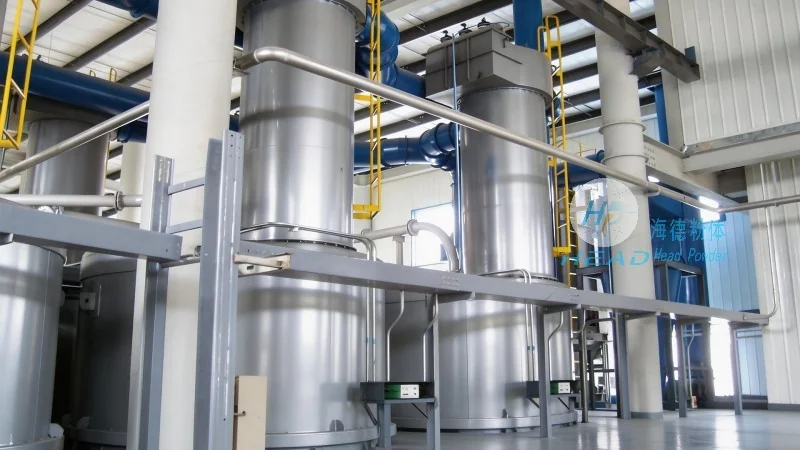
Introduction to Bone Powder Pneumatic Conveying Systems
Bone powder, a fine particulate material commonly used in food, pharmaceutical, and chemical industries, requires specialized handling due to its unique physical properties. Pneumatic conveying systems utilize air or other gases to transport dry bulk materials like bone powder through a network of pipes and equipment. The effectiveness of such systems depends on several variables, including the material's density, moisture content, particle size distribution, and flow characteristics. Understanding these factors is essential for selecting the right conveying method and components.
Key Considerations in System Design
Designing a pneumatic conveying system for bone powder involves a systematic approach that addresses both material characteristics and operational requirements. The first step is to assess the specific needs of the application, such as the distance to be covered, the volume of material to be conveyed, and the desired flow rate. Shandong HeadPowder Engineering Co., Ltd. (headpowder), a leading provider of bulk material handling solutions, emphasizes the importance of tailoring the system to the unique demands of each project.
Material Properties and Handling Challenges

Bone powder typically exhibits low bulk density and can be prone to caking or agglomeration, especially if it contains moisture. These characteristics can affect the system's efficiency and may require additional equipment like pre-drying or de-agglomeration units. The particle size distribution is another critical factor; finer particles may lead to higher air consumption and increased wear on system components. Engineers must consider these challenges when selecting the appropriate conveying velocity and system pressure.
System Components and Their Roles
A typical pneumatic conveying system for bone powder includes several key components: a feeder to introduce the material into the system, a blower or compressor to generate the necessary air flow, a pipeline network to transport the material, and a receiver to collect the conveyed material. Each component plays a vital role in ensuring the system operates smoothly. For example, the feeder must be capable of handling fine powders without causing blockages, while the blower must provide sufficient pressure to overcome system resistance. Shandong HeadPowder Engineering Co., Ltd. specializes in designing and manufacturing custom components that meet the specific requirements of bone powder handling.

Selection of Conveying Methods
There are two primary types of pneumatic conveying systems: pressure and vacuum. Pressure systems use compressed air to push the material through the pipeline, while vacuum systems use a vacuum to pull the material. The choice between these methods depends on factors such as the conveying distance, material characteristics, and system layout. For bone powder, pressure systems are often preferred due to their ability to handle longer distances and higher material loads. However, vacuum systems may be more suitable for applications requiring gentle handling or when the material is to be transported from multiple sources.
Design Process and Calculations

The design of a pneumatic conveying system involves detailed calculations to determine the required air flow rate, pressure, and system dimensions. Engineers must consider factors like the material's specific gravity, particle size, and flow rate to calculate the necessary conveying velocity. The system's pressure drop along the pipeline is also critical, as it determines the power required from the blower. Shandong HeadPowder Engineering Co., Ltd. employs advanced software and engineering expertise to perform these calculations accurately, ensuring the system operates within optimal parameters.
Implementation and Maintenance
Once the system is designed and manufactured, proper installation and maintenance are essential for long-term performance. Regular inspection of components such as filters, cyclones, and pipelines is necessary to prevent clogging and ensure efficient operation. Shandong HeadPowder Engineering Co., Ltd. offers comprehensive after-sales support, including maintenance services and spare parts supply, to help clients maintain their pneumatic conveying systems in top condition. By following proper maintenance procedures, users can extend the lifespan of their equipment and minimize downtime.