

Common Dry Gravel Conveying Methods: An Introduction to Dry Gravel Pneumatic Conveying
When it comes to transporting dry gravel efficiently and reliably, selecting the right conveying method is crucial for optimizing operational performance and minimizing costs. Various technologies are available, each with its own set of advantages and applications. This article provides an overview of common dry gravel conveying methods, with a particular focus on the dry gravel pneumatic conveying system, which is widely recognized for its versatility and effectiveness in handling dry materials like gravel.
Understanding Dry Gravel Conveying: Key Considerations

Before delving into specific conveying methods, it's essential to understand the fundamental factors that influence the choice of a conveying system. The characteristics of the material, such as particle size, density, and moisture content, play a significant role in determining the most suitable method. Additionally, the distance and elevation changes between the source and destination, as well as the required throughput, are critical parameters that affect system design and performance. By evaluating these factors, operators can select a conveying solution that aligns with their operational needs and material handling requirements.
Common Dry Gravel Conveying Methods
Several conventional methods are employed for transporting dry gravel, each with distinct mechanisms and applications. The primary options include gravity conveyors, mechanical conveyors, and pneumatic conveying systems. Each method offers unique benefits and is suited to different operational scenarios.
Gravity Conveyors: The Basics of Sloped Transport
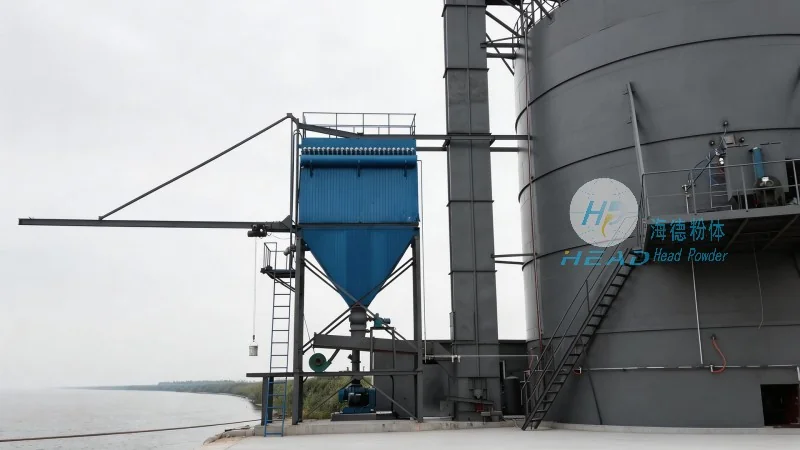
Gravity conveyors utilize the force of gravity to move dry gravel from one location to another. These systems typically consist of inclined chutes or troughs that allow the material to flow downward under the influence of gravity. The design of gravity conveyors is relatively simple, involving minimal moving parts and low maintenance requirements. However, their effectiveness is limited by the need for a suitable slope and the ability to maintain a consistent flow rate. Gravity conveyors are ideal for short distances and low throughput applications where the material can be easily guided along a sloped path.
Mechanical Conveyors: Power-Driven Solutions
Mechanical conveyors, such as belt conveyors, screw conveyors, and chain conveyors, rely on mechanical power to transport dry gravel. Belt conveyors use a continuous belt to move material along a path, while screw conveyors employ a rotating screw to push material forward. Chain conveyors utilize a series of chains with attached buckets or flights to transport material vertically or horizontally. These systems offer higher throughput and greater control over the conveying process compared to gravity conveyors. However, they require more maintenance and are generally more expensive to install and operate. Mechanical conveyors are commonly used in industrial settings where high-volume material handling is required.
Dry Gravel Pneumatic Conveying: The Preferred Method for Many Applications
Dry gravel pneumatic conveying systems are increasingly becoming the preferred choice for transporting dry gravel due to their flexibility, efficiency, and ability to handle a wide range of material characteristics. This method involves transporting dry gravel through a pipeline using compressed air or a vacuum. The material is suspended in the air stream and carried to the destination, where it is deposited. The dry gravel pneumatic conveying system offered by Shandong HeadPowder Engineering Co., Ltd. is designed to deliver reliable and efficient transport of dry gravel, ensuring minimal material degradation and low maintenance costs.
Advantages of Dry Gravel Pneumatic Conveying
The dry gravel pneumatic conveying system provides several advantages over traditional conveying methods. One of the key benefits is its ability to handle dry gravel over long distances and with minimal elevation changes. The system can transport material vertically or horizontally, making it suitable for complex layouts and challenging operational environments. Additionally, pneumatic conveying systems are highly flexible, allowing for easy integration with existing infrastructure and the ability to transport multiple materials through the same pipeline. The system also offers low maintenance requirements, as it has fewer moving parts compared to mechanical conveyors, and can be easily cleaned and maintained. Furthermore, the dry gravel pneumatic conveying system from Shandong HeadPowder Engineering Co., Ltd. is designed to minimize material degradation, ensuring that the quality of the gravel is preserved throughout the conveying process.

Applications of Dry Gravel Pneumatic Conveying
Dry gravel pneumatic conveying systems are widely used in various industries, including construction, mining, and landscaping. In construction, these systems are used to transport gravel for road construction, building foundations, and landscaping projects. In mining operations, they are employed to move gravel from extraction sites to processing facilities. Landscaping companies also utilize dry gravel pneumatic conveying systems to transport gravel for garden and park projects. The versatility of the dry gravel pneumatic conveying system makes it an ideal solution for a wide range of applications where efficient and reliable transport of dry gravel is required.
Conclusion
In conclusion, the choice of a dry gravel conveying method depends on various factors, including the material characteristics, operational requirements, and budget constraints. While gravity and mechanical conveyors have their place in certain applications, dry gravel pneumatic conveying systems offer superior flexibility, efficiency, and reliability. The dry gravel pneumatic conveying system from Shandong HeadPowder Engineering Co., Ltd. is a leading solution for transporting dry gravel, providing operators with a cost-effective and sustainable method for material handling. By understanding the advantages and applications of different conveying methods, operators can select the most suitable system to meet their specific needs and optimize their operational performance.