

Common Steel Sand Conveying Methods: An Overview of Pneumatic Conveying for Steel Sand
Steel sand, a critical material in various industrial applications, requires efficient and reliable conveying methods to ensure smooth production processes. For companies dealing with steel sand, understanding the different conveying options is essential for optimizing operations and maintaining quality standards. This article explores common steel sand conveying methods, with a focus on the advantages and applications of pneumatic conveying systems.

Introduction to Steel Sand Conveying Methods
Steel sand, also known as steel grit or steel shot, is widely used in surface treatment, manufacturing, and other industrial sectors. The effective transportation of steel sand from storage to processing equipment is crucial for maintaining productivity and minimizing downtime. Traditional methods like gravity flow or mechanical conveyors have limitations when dealing with abrasive and heavy materials like steel sand. Pneumatic conveying, however, offers a more efficient and flexible solution for handling such materials.
Pneumatic Conveying: The Preferred Method for Steel Sand
HeadPowder, a leading provider of industrial conveying solutions, specializes in designing and manufacturing pneumatic conveying systems tailored for steel sand applications. Pneumatic conveying uses compressed air to transport material through a pipeline, eliminating the need for mechanical components that can wear out quickly with abrasive materials. This method is particularly suitable for steel sand due to its ability to handle high volumes, maintain material integrity, and reduce contamination risks.

Key Features of Steel Sand Pneumatic Conveying Systems
HeadPowder's steel sand pneumatic conveying systems are engineered with several key features that enhance performance and durability. The systems utilize high-quality materials resistant to corrosion and wear, ensuring long-term reliability. Advanced control systems allow for precise regulation of air pressure and flow, optimizing material transport efficiency. Additionally, the design minimizes material degradation and dust generation, which is vital for maintaining product quality and safety standards.
Applications and Benefits in Industrial Settings
Steel sand pneumatic conveying systems are employed in various industrial settings, including metalworking, automotive manufacturing, and surface finishing. The primary benefits include increased operational efficiency, reduced labor costs, and improved safety by eliminating manual handling of heavy and abrasive materials. The systems also contribute to better material consistency, as they prevent segregation and ensure uniform distribution of steel sand in processing lines.
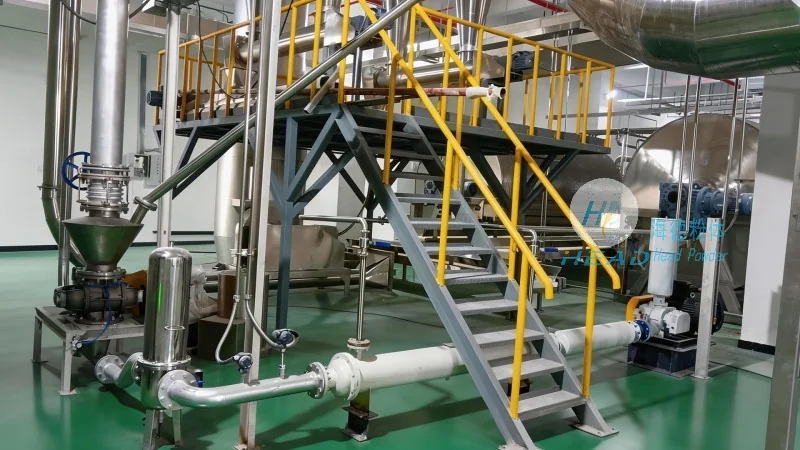
Customization and Installation by HeadPowder
HeadPowder, based in Shandong, China, offers customized pneumatic conveying solutions to meet the specific needs of each client. The company's team of experts works closely with customers to assess their operational requirements and design a system that maximizes efficiency and cost-effectiveness. From initial consultation to installation and maintenance, HeadPowder provides comprehensive support to ensure the successful implementation of steel sand conveying systems.
Conclusion: Choosing the Right Conveying Method for Steel Sand
When selecting a steel sand conveying method, companies must consider factors such as material characteristics, production volume, and operational environment. Pneumatic conveying, particularly with specialized systems from HeadPowder, offers significant advantages in terms of efficiency, durability, and safety. By investing in a well-designed pneumatic conveying system, industrial facilities can enhance their productivity, reduce maintenance costs, and maintain high standards of material quality. HeadPowder's expertise in steel sand pneumatic conveying ensures that clients receive reliable and effective solutions tailored to their unique needs.