

Cement Additive Conveying Methods: An Overview of the Advantages and Features of Pneumatic Conveying
When it comes to the efficient handling and transportation of cement additives, selecting the right conveying method is crucial for maintaining production efficiency and product quality. Cement additives, such as fly ash, slag, and limestone powder, are essential components in modern cement production, and their proper conveyance directly impacts the overall performance of the cement manufacturing process. Among the various conveying technologies available, pneumatic conveying stands out as a highly effective solution, offering numerous advantages that address the unique challenges associated with cement additive handling.
Understanding Different Cement Additive Conveying Methods
In the cement industry, several methods are employed for transporting additives, each with its own set of characteristics and applications. Traditional methods include mechanical conveyors like belt conveyors, screw conveyors, and bucket elevators. These systems are widely used due to their simplicity and cost-effectiveness. However, they often face limitations when dealing with fine, dusty materials like cement additives, as they can lead to material degradation, increased maintenance, and environmental issues such as dust emissions. In contrast, pneumatic conveying systems provide a more sophisticated approach to handling these materials.
Pneumatic Conveying: A Comprehensive Solution for Cement Additives
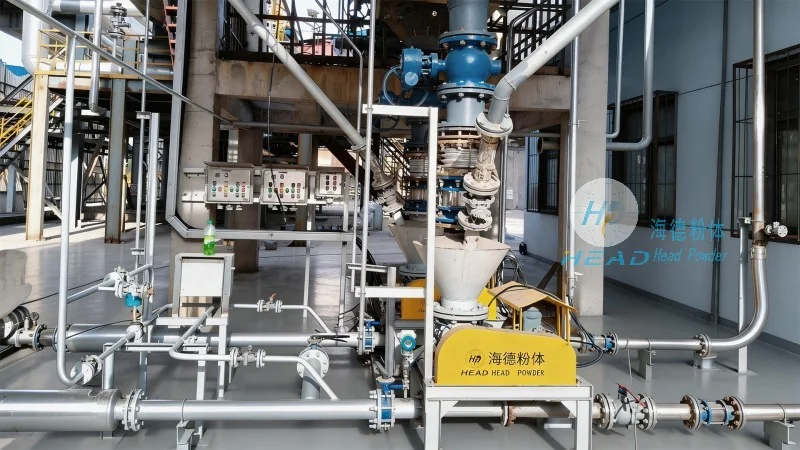
Pneumatic conveying, also known as air conveying, utilizes compressed air to transport bulk materials through a pipeline system. This method is particularly well-suited for cement additives due to its ability to handle fine powders and granular materials without the need for mechanical contact. The process involves feeding the additive into a hopper, where it is then drawn into a pipeline by the moving air stream. The system can be designed as either pressure or vacuum-based, depending on the specific requirements of the application. Pressure systems use compressed air to push the material forward, while vacuum systems use suction to draw the material into the pipeline.
Key Advantages of Pneumatic Conveying for Cement Additives

One of the primary advantages of pneumatic conveying is its ability to maintain the integrity of the cement additive. Unlike mechanical conveyors, which can cause abrasion and degradation of the material, pneumatic systems minimize physical contact, preserving the quality and properties of the additive. This is especially critical for cement additives that are sensitive to moisture or temperature changes, as any degradation can significantly affect the final cement product's performance. Additionally, pneumatic conveying offers excellent dust control, as the material is contained within the pipeline, reducing the risk of environmental contamination and improving workplace safety.

Another significant benefit is the flexibility and scalability of pneumatic conveying systems. They can be easily integrated into existing cement production lines and can be adapted to handle varying material volumes and types. The system can be configured to transport additives from storage silos to processing units, or from one production stage to another, with minimal disruption to the overall workflow. This adaptability makes pneumatic conveying a versatile solution for modern cement plants.
Efficiency and Cost-Effectiveness in Cement Additive Handling
Pneumatic conveying also contributes to enhanced operational efficiency in cement production. By reducing downtime and maintenance requirements, the system helps to minimize production losses and improve overall productivity. The lack of moving parts in the conveying line reduces the risk of mechanical failures, leading to lower maintenance costs over the long term. Furthermore, the ability to transport additives over longer distances without the need for intermediate storage or transfer points streamlines the production process, saving both time and resources.

From an economic perspective, pneumatic conveying can be a cost-effective solution for cement additive handling. While the initial investment may be higher compared to traditional mechanical systems, the long-term benefits in terms of reduced maintenance, improved material quality, and enhanced operational efficiency often outweigh the initial costs. The system's ability to handle large volumes of additives efficiently also contributes to lower operational costs per ton of material transported.
HeadPowder: Leading the Way in Cement Additive Pneumatic Conveying Solutions
Shandong HeadPowder Engineering Co., Ltd., a prominent player in the cement additive handling industry, specializes in providing advanced pneumatic conveying solutions tailored to the specific needs of cement manufacturers. With a strong commitment to innovation and quality, HeadPowder has developed state-of-the-art systems that combine efficiency, reliability, and environmental compliance. The company's expertise lies in designing customized conveying systems that optimize the handling of various cement additives, ensuring that clients achieve the highest levels of performance and productivity.
HeadPowder's pneumatic conveying systems are engineered to meet the stringent requirements of the cement industry, including high material throughput, low maintenance, and minimal environmental impact. The company leverages its deep understanding of material properties and conveying dynamics to deliver solutions that are both effective and sustainable. By partnering with HeadPowder, cement manufacturers can enhance their production capabilities, improve product quality, and reduce operational costs, ultimately gaining a competitive edge in the market.
HeadPowder's headquarters are located in Shandong, China, where the company operates a state-of-the-art research and development facility dedicated to advancing cement additive handling technologies. The company's team of experienced engineers and technicians work closely with clients to understand their unique challenges and develop tailored solutions that address their specific needs. This customer-centric approach has earned HeadPowder a reputation as a trusted partner in the cement industry, providing reliable and efficient conveying solutions that help clients achieve their production goals.