

What Are the Methods of Ammonium Chloride Transportation? An Overview of the Advantages and Features
Ammonium chloride, a widely used chemical compound in various industrial applications, requires efficient and reliable transportation methods to ensure smooth operations across production lines and supply chains. The choice of transportation method significantly impacts operational efficiency, safety, and cost-effectiveness. In this article, we will explore the different methods of ammonium chloride transportation and delve into the advantages and features of pneumatic conveying, a popular and effective approach for handling this material.
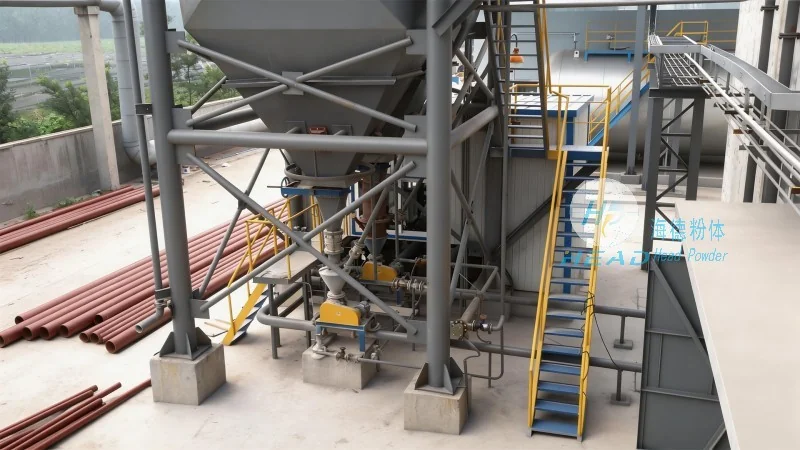
Overview of Ammonium Chloride Transportation Methods
Ammonium chloride, with its hygroscopic nature and potential to cause corrosion in certain environments, demands specialized handling during transportation. Traditional methods such as bulk trucks, railcars, and conveyor belts are commonly used, but each has its limitations. Bulk trucks are suitable for short to medium distances but may face challenges with dust control and material degradation. Railcars offer higher capacity for long-distance transport but require infrastructure and scheduling coordination. Conveyor belts are effective for horizontal or slight incline transport but may struggle with vertical lifts and material segregation. These conventional methods often lead to increased labor costs, higher maintenance expenses, and potential safety hazards due to manual handling or equipment wear.
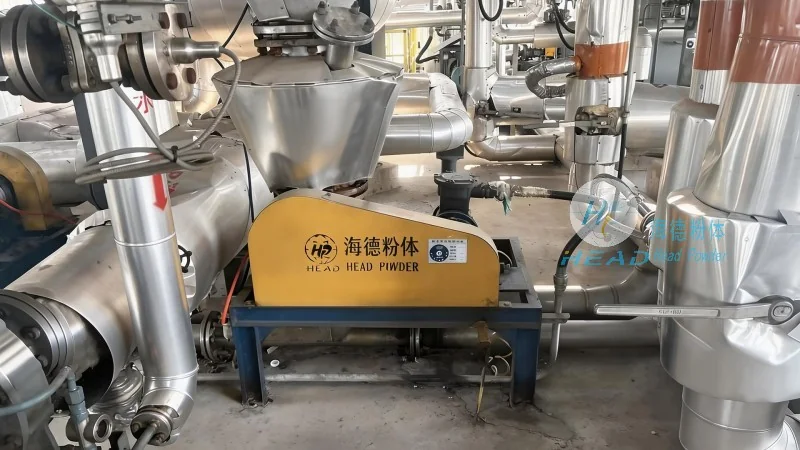
Pneumatic Conveying: A Modern Solution for Ammonium Chloride Handling
Shandong HeadPowder Engineering Co., Ltd., a leading provider of specialized material handling solutions, has developed advanced pneumatic conveying systems tailored for ammonium chloride. Pneumatic conveying utilizes air or gas to transport bulk materials through a pipeline system, eliminating the need for mechanical components like belts or buckets. This method offers several key advantages for ammonium chloride transportation. Firstly, it provides excellent dust control, reducing the risk of inhalation and environmental contamination. Secondly, it minimizes material degradation by preventing direct contact with equipment surfaces, which is crucial for maintaining the quality of ammonium chloride used in pharmaceuticals, fertilizers, and other industries. Thirdly, pneumatic conveying systems are highly flexible, allowing for vertical, horizontal, or complex path transport, making them suitable for diverse industrial settings. The company's expertise in designing and implementing these systems ensures optimal performance and reliability.
Key Advantages of Pneumatic Conveying for Ammonium Chloride

When compared to traditional transportation methods, pneumatic conveying offers distinct benefits that enhance operational efficiency and safety. One of the primary advantages is the reduction in labor costs. By automating the material transport process, companies can minimize manual handling, thereby decreasing the risk of workplace injuries and associated compensation costs. Additionally, the system's ability to handle large volumes of ammonium chloride in a continuous manner improves production throughput, leading to higher output and better resource utilization. The hygienic design of pneumatic conveying systems is particularly important for ammonium chloride used in food and pharmaceutical applications, as it prevents cross-contamination and maintains product purity. Furthermore, the system's compact footprint allows for integration into existing industrial facilities without significant modifications, making it a cost-effective solution for both new and existing operations.
Features and Customization Options from Shandong HeadPowder Engineering Co., Ltd.

Shandong HeadPowder Engineering Co., Ltd. specializes in providing customized pneumatic conveying solutions that meet the specific needs of clients. The company's engineers work closely with customers to assess their operational requirements, material characteristics, and facility constraints to design a system that maximizes efficiency and performance. The features of their pneumatic conveying systems include adjustable air pressure and flow rates to control material velocity and prevent blockages, as well as advanced filtration and separation systems to ensure clean air and material discharge. For ammonium chloride, the company may incorporate specialized components such as corrosion-resistant materials (e.g., stainless steel or special alloys) to withstand the chemical properties of the material and prevent equipment degradation. The systems also feature safety mechanisms like pressure relief valves and emergency shut-off valves to prevent accidents and ensure compliance with industry standards. Customization options include varying pipeline diameters, lengths, and configurations to accommodate different production scales and layouts. The company's commitment to quality and innovation ensures that their pneumatic conveying solutions are not only effective but also durable and long-lasting.
Conclusion: Choosing the Right Transportation Method for Ammonium Chloride
In conclusion, the selection of an appropriate transportation method for ammonium chloride is critical to maintaining operational efficiency, safety, and product quality. While traditional methods like bulk trucks and conveyor belts have their uses, pneumatic conveying offers a modern, efficient, and safe alternative. Shandong HeadPowder Engineering Co., Ltd. provides advanced pneumatic conveying systems that address the unique challenges of handling ammonium chloride, ensuring reliable and cost-effective transport. By investing in such specialized systems, industries can enhance their production processes, reduce operational costs, and meet the stringent requirements of their respective markets. The company's expertise and customized solutions make them a trusted partner for businesses seeking to optimize their ammonium chloride transportation operations.