

Types of Soybean Conveying Methods: An Overview of the Advantages and Features of Pneumatic Conveyin
When it comes to handling and transporting soybeans, selecting the right conveying method is crucial for efficiency and product integrity. Various options are available, each with its own set of advantages and limitations. This article will explore the different soybean conveying methods and provide a detailed look at the benefits and features of pneumatic conveying, a popular choice in the industry.

Overview of Common Soybean Conveying Methods
Soybeans are typically transported using several methods, including mechanical conveyors, bucket elevators, and pneumatic systems. Mechanical conveyors, such as belt conveyors and screw conveyors, are widely used for bulk material handling. They are reliable and cost-effective for horizontal and slight incline applications. However, they may not be suitable for long-distance or vertical transport due to friction and material degradation risks. Bucket elevators are another option, particularly effective for vertical lifting of soybeans. They use buckets attached to a chain or belt to move material vertically, offering high capacity and efficiency for vertical transport. Yet, they can be complex and require regular maintenance.
Pneumatic Conveying: A Comprehensive Analysis
Pneumatic conveying stands out as a versatile and efficient solution for soybean transport. It involves the use of air pressure to move soybeans through a pipeline system. This method offers several key advantages that make it a preferred choice for many industries. One of the primary benefits is its ability to handle both bulk and individual particles without the need for additional equipment like buckets or belts. The process is gentle on the soybeans, minimizing damage and preserving their quality. This is particularly important for soybeans intended for food processing or animal feed, where product integrity is paramount.
Another significant advantage of pneumatic conveying is its flexibility in terms of layout and distance. Unlike mechanical systems that are often limited by the need for physical contact with the material, pneumatic systems can transport soybeans over long distances and even between different floors or buildings. This makes it ideal for large-scale operations where space and layout are critical factors. The system can be easily integrated into existing facilities, reducing the need for extensive modifications.
Efficiency and speed are also notable features of pneumatic conveying. The use of air pressure allows for rapid movement of soybeans, often at higher speeds compared to mechanical alternatives. This can lead to increased throughput and reduced processing time, which is beneficial for operations with high production demands. Additionally, the system can be automated and controlled with precision, ensuring consistent and reliable operation.

Key Features and Technical Considerations of Pneumatic Conveying
Several technical aspects define the performance of a pneumatic conveying system for soybeans. The choice of air velocity and pressure is critical. Higher velocities can increase the conveying capacity but may also lead to increased energy consumption and potential material degradation. Proper system design, including the selection of appropriate pipeline diameters and components, is essential to maintain efficiency and prevent blockages. For soybeans, which can be prone to clumping or bridging, the system must be equipped with features like air knives or vibrators to ensure smooth flow.
Material handling in pneumatic systems also requires attention to the properties of soybeans. The moisture content and particle size distribution can affect the conveying performance. For example, wetter soybeans may require higher air pressure to maintain flow, while smaller particles might need different nozzle designs to prevent clogging. Regular maintenance, such as cleaning the pipeline and checking for wear and tear on components, is necessary to ensure long-term reliability and performance.
Applications and Benefits in Soybean Processing
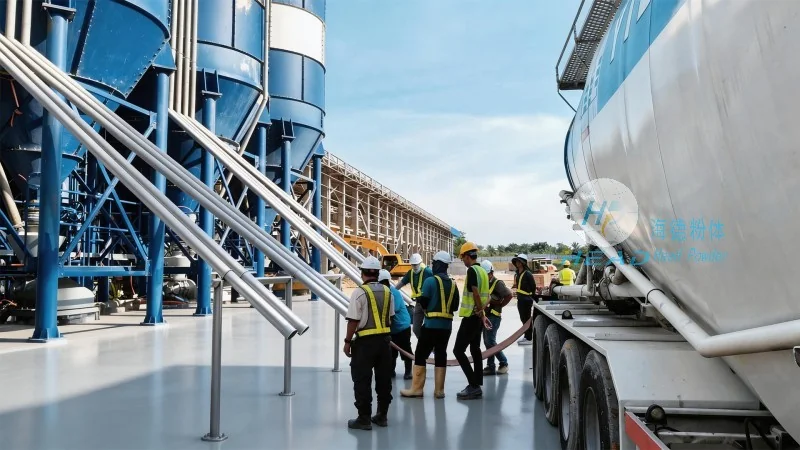
Pneumatic conveying is widely used in various stages of soybean processing. From receiving and storage to processing and packaging, the system can be integrated to streamline operations. In the receiving stage, it can efficiently move soybeans from trucks or storage silos into processing facilities. During processing, it can transport soybeans to grinding or extrusion equipment, ensuring a consistent feed rate. In packaging, it can deliver soybeans to filling machines, maintaining product quality and preventing contamination.
The benefits of using pneumatic conveying extend beyond operational efficiency. It also contributes to cost savings and improved safety. By reducing the need for manual handling, the system minimizes labor costs and the risk of workplace injuries. Additionally, the enclosed pipeline system helps in controlling dust and preventing environmental contamination, which is increasingly important in modern industrial operations.
Conclusion
In conclusion, while various soybean conveying methods are available, pneumatic conveying offers a robust and efficient solution with numerous advantages. Its ability to handle different particle sizes, transport over long distances, and maintain product quality makes it a valuable asset for soybean processing operations. For businesses looking to optimize their soybean handling processes, pneumatic conveying is a worthy consideration. The investment in a well-designed pneumatic system can lead to improved productivity, reduced costs, and enhanced product quality, ultimately contributing to the success of the operation.