

Comparison of Common Casting Gray Powder Conveying Methods
When it comes to handling and transporting casting gray powder in industrial settings, selecting the right conveying method is crucial for efficiency, cost-effectiveness, and material integrity. Shandong HeadPowder Engineering Co., Ltd., a leading manufacturer based in China, specializes in providing tailored solutions for various powder handling needs. This article provides a detailed comparison of common casting gray powder conveying methods, highlighting their advantages, limitations, and ideal applications.
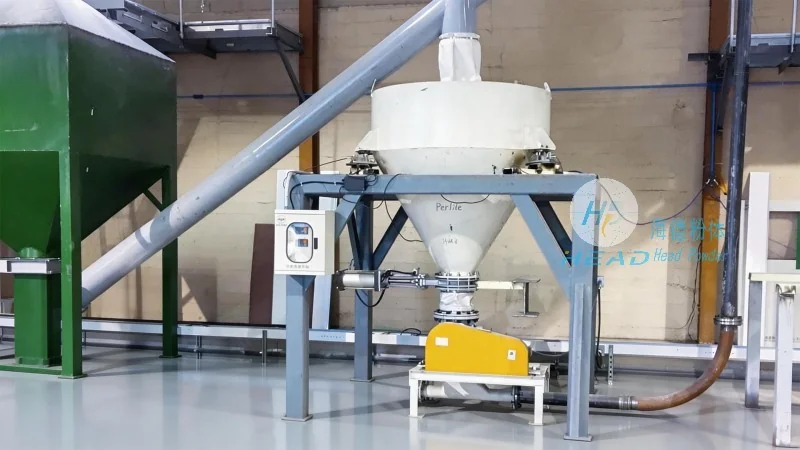
Overview of Casting Gray Powder Conveying
Casting gray powder, typically used in foundry processes, requires specialized handling due to its fine particle size and potential for dust generation. Effective conveying systems must ensure minimal material loss, prevent contamination, and maintain consistent flow rates. The choice of conveying method depends on factors such as powder characteristics, plant layout, budget, and operational requirements.
1. Gravity Conveying Systems
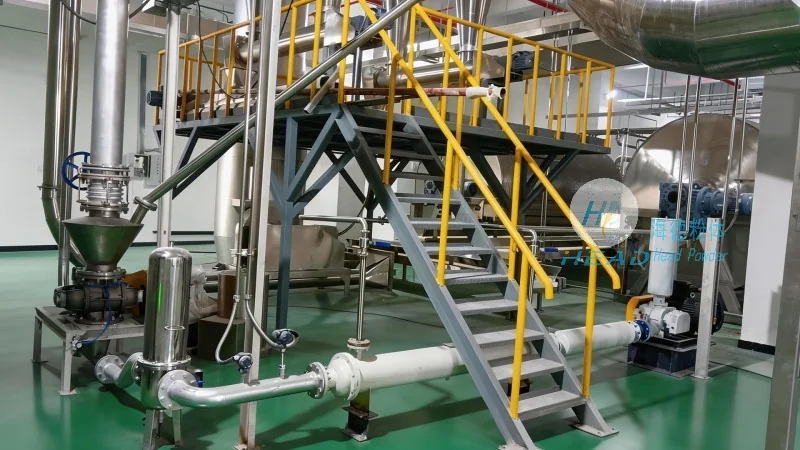
Gravity conveying relies on the natural force of gravity to move powder from a higher to a lower elevation. This method is often used for short-distance horizontal or inclined transport, where the powder can flow freely under the influence of gravity. Shandong HeadPowder Engineering Co., Ltd. offers gravity chutes and hoppers designed to handle casting gray powder efficiently. The primary advantage of gravity conveying is its low energy consumption and simplicity, making it suitable for applications with minimal vertical or horizontal separation. However, it is limited by the need for a suitable slope and may not be effective for long-distance or vertical transport. The system typically consists of a hopper at the top, a chute with a controlled slope, and a discharge point at the bottom. The smooth interior of the chute minimizes friction and ensures consistent flow. For casting gray powder, which is often light and fine, gravity conveying can be an economical choice for short runs, such as moving powder from a storage silo to a mixing area.
2. Pneumatic Conveying Systems
Pneumatic conveying uses compressed air or other gases to transport powder through a pipeline. This method is highly versatile and can handle both short and long distances, including vertical lifts. Shandong HeadPowder Engineering Co., Ltd. provides various pneumatic systems, including pressure and vacuum types. Pressure conveying, where air is blown through the pipeline, is ideal for moving powder from a storage silo to processing equipment, while vacuum conveying is suitable for collecting powder from scattered sources or transferring it over longer horizontal distances. The key components of a pneumatic system include a blower, a hopper, a pipeline, and a receiver. The air velocity must be carefully controlled to prevent particle segregation and ensure smooth transport. For casting gray powder, which can be abrasive, the pipeline material is often selected to withstand wear and prevent material buildup. Pneumatic conveying offers advantages such as flexibility in layout, ability to handle multiple destinations, and reduced labor costs. However, it requires higher energy input compared to gravity systems and may need regular maintenance of the air system.
3. Mechanical Conveying Systems
Mechanical conveying employs mechanical devices like screw conveyors, belt conveyors, and bucket elevators to move powder. Screw conveyors, also known as augers, are widely used for horizontal or slight incline transport. They consist of a rotating screw inside a trough, which pushes the powder forward. Shandong HeadPowder Engineering Co., Ltd. manufactures screw conveyors specifically designed for handling casting gray powder, with features like smooth, wear-resistant surfaces and variable speed drives. The screw design can be adjusted to accommodate different particle sizes and flow rates. Belt conveyors are suitable for longer horizontal distances and can transport larger quantities of powder. They consist of a continuous belt moving over rollers, with hoppers feeding the powder onto the belt. Bucket elevators are used for vertical transport, where buckets attached to a chain or belt lift the powder from a lower to a higher level. Mechanical conveyors offer high capacity and reliability, making them ideal for continuous production lines. However, they may require more maintenance than pneumatic systems and can be more expensive to install. The choice of mechanical conveyor depends on the plant layout and the need for precise control over the powder flow.
4. Comparison and Selection Criteria

When comparing gravity, pneumatic, and mechanical conveying systems for casting gray powder, several factors must be considered. Gravity systems are cost-effective for short distances but limited by slope requirements. Pneumatic systems offer flexibility and can handle long distances or vertical lifts but require more energy. Mechanical systems provide high capacity and reliability but may have higher maintenance costs. Shandong HeadPowder Engineering Co., Ltd. recommends evaluating the following criteria to select the most suitable conveying method:
Distance and Layout: Short horizontal or inclined transport is best suited for gravity systems, while long distances or vertical lifts require pneumatic or mechanical systems.
Powder Characteristics: Fine, light, or abrasive powders like casting gray powder may benefit from pneumatic systems with appropriate pipeline materials, or mechanical systems with wear-resistant components.
Energy Consumption: Gravity systems have the lowest energy requirements, followed by mechanical systems, and then pneumatic systems.
Capital and Operating Costs: Initial investment is highest for pneumatic systems, followed by mechanical systems, with gravity systems being the most economical.

Maintenance Requirements: Pneumatic systems may require more frequent maintenance of air filters and blowers, while mechanical systems need regular inspection of moving parts.
Conclusion
Choosing the right conveying method for casting gray powder is essential for optimizing industrial processes. Shandong HeadPowder Engineering Co., Ltd. provides a range of solutions tailored to specific needs, ensuring efficient and reliable powder handling. By considering factors such as distance, powder characteristics, and cost, industries can select the most appropriate conveying system to enhance productivity and maintain material quality. Whether using gravity, pneumatic, or mechanical systems, the goal is to minimize material loss, prevent contamination, and ensure consistent flow, ultimately contributing to the overall success of casting operations.