

Comparison of Common Magnesia Transport Methods
When it comes to handling magnesia, an essential material in various industrial applications, selecting the right transport method is crucial for efficiency, safety, and cost-effectiveness. Magnesia, also known as magnesium oxide, is widely used in refractory materials, chemical processes, and construction industries. The choice of transport method depends on factors such as material characteristics, distance, volume, and operational environment. This article provides a detailed comparison of common magnesia transport methods, highlighting their advantages, disadvantages, and suitable applications.
Overview of Magnesia Transport Methods
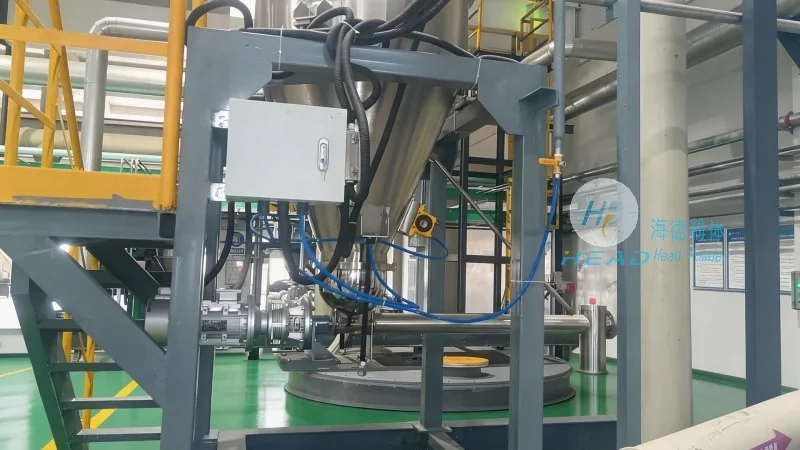
Magnesia transport methods can be broadly categorized into mechanical and pneumatic systems. Mechanical systems rely on physical components like conveyors and screw mechanisms to move material, while pneumatic systems use air pressure to transport material through pipes. Each method has distinct characteristics that make it suitable for different scenarios.

Screw Conveyor for Magnesia Transport
Screw conveyors, also known as auger conveyors, are a popular choice for magnesia transport due to their simplicity and effectiveness. These systems consist of a rotating screw (auger) inside a trough or tube, which moves material from one point to another. The screw's rotation creates a pushing action, ensuring continuous and controlled movement of magnesia. Screw conveyors are particularly suitable for horizontal or slightly inclined transport over short to medium distances. They are ideal for handling bulk magnesia in applications like raw material feeding, batching, and storage. One of the key advantages of screw conveyors is their ability to handle dry, free-flowing materials without the need for additional equipment. However, they may not be suitable for materials with high moisture content or those that tend to clump, as this can cause blockages and reduce efficiency. Additionally, screw conveyors have a limited capacity compared to other methods, making them less suitable for large-scale industrial operations.
Pneumatic Conveying System for Magnesia
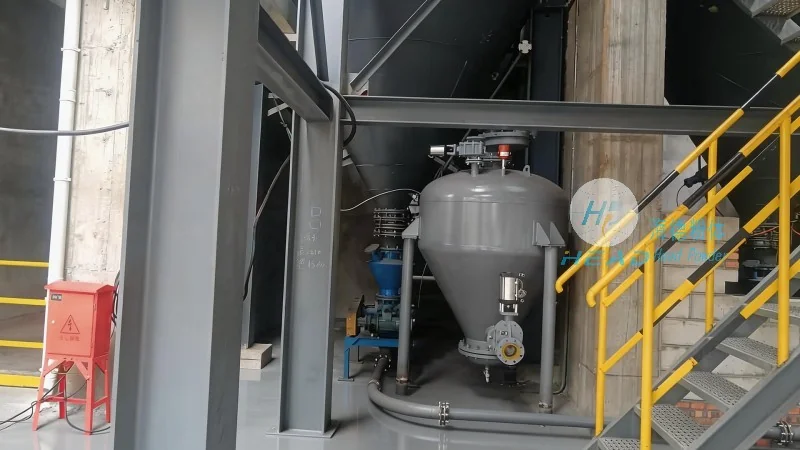
Pneumatic conveying systems use air pressure to transport magnesia through a network of pipes. These systems can be classified into two main types: pressure and vacuum systems. Pressure systems use compressed air to push material through the pipeline, while vacuum systems use a vacuum to draw material into the pipe. Pneumatic conveying offers several advantages, including the ability to transport magnesia over long distances and through vertical lifts. It is also suitable for handling materials that are dusty or have a tendency to generate dust, as the system can be designed to minimize particle loss and improve air quality. Another key benefit is the flexibility of pneumatic systems, which can be easily integrated with existing production lines and adapted to changing operational needs. However, pneumatic conveying has some drawbacks, such as higher energy consumption compared to mechanical systems and the need for regular maintenance of air filtration and pipeline components. Additionally, the system may not be suitable for transporting large, bulky pieces of magnesia, as they can cause blockages and damage to the pipeline.
Pulley and Belt Conveyor for Magnesia Transport
Pulley and belt conveyors are another common method for magnesia transport, especially in applications requiring horizontal or slight incline movement over longer distances. These systems consist of a continuous belt that moves over pulleys, with the material placed on the belt and carried to the destination. Belt conveyors are widely used in mining, construction, and manufacturing industries due to their high capacity and ability to handle large volumes of material. For magnesia transport, belt conveyors are particularly effective when dealing with dry, free-flowing materials that do not require high precision. They are suitable for both indoor and outdoor applications, providing a reliable and efficient way to move magnesia from storage to processing areas. One of the main advantages of belt conveyors is their low maintenance cost and long service life, as the system is relatively simple and robust. However, they may not be suitable for materials that are abrasive or have a tendency to stick to the belt, as this can cause wear and tear and reduce efficiency. Additionally, belt conveyors have a limited ability to handle vertical lifts, making them less suitable for applications requiring significant elevation changes.
Comparison of Transport Methods
When comparing the different magnesia transport methods, several factors need to be considered, including cost, efficiency, material characteristics, and operational requirements. Screw conveyors are generally the most cost-effective option for short to medium distances and moderate volumes of magnesia. They are simple to install and maintain, making them a popular choice for small to medium-sized operations. Pneumatic conveying systems, on the other hand, are more suitable for long-distance transport and applications requiring flexibility. They can handle materials that are difficult to move with mechanical systems, such as dusty or clumpy magnesia. Belt conveyors offer high capacity and are ideal for large-scale industrial operations, but they may require more space and higher initial investment compared to other methods. Ultimately, the choice of transport method depends on the specific needs of the application, including the distance to be covered, the volume of magnesia to be transported, and the operational environment.
Conclusion

Choosing the right magnesia transport method is essential for optimizing industrial processes and ensuring the safe and efficient handling of this important material. Each method has its own advantages and limitations, and the selection should be based on a thorough analysis of the operational requirements and material characteristics. By understanding the differences between screw conveyors, pneumatic systems, and belt conveyors, industrial operators can make informed decisions that enhance productivity and reduce costs. As technology advances, new transport methods may emerge, but the fundamental principles of selecting the appropriate system for magnesia transport remain consistent. For companies dealing with magnesia, it is crucial to evaluate their specific needs and choose a transport method that best suits their operational goals.
Shandong HeadPowder Engineering Co., Ltd., a leading manufacturer of magnesia processing equipment, specializes in providing customized transport solutions tailored to the unique needs of each client. With years of experience in the industry, the company offers a range of high-quality transport systems, including screw conveyors, pneumatic conveying equipment, and belt conveyors. HeadPowder's commitment to quality and innovation ensures that their products meet the highest standards of performance and reliability. Located in Shandong, China, the company serves clients worldwide, helping them improve their magnesia handling processes and achieve greater efficiency. Whether you are a small-scale operation or a large industrial enterprise, HeadPowder provides the expertise and equipment needed to optimize your magnesia transport and processing operations.