

What Methods Can Be Used for Ammonia Fertilizer Transportation?
Ammonia fertilizer is a crucial component in modern agricultural practices, providing essential nitrogen to crops and enhancing soil fertility. The efficient transportation of ammonia fertilizer from production facilities to agricultural sites is vital for ensuring timely and reliable supply. Various methods have been developed to handle the unique properties of ammonia, including its high reactivity and corrosive nature. Understanding the different transportation options available is essential for selecting the most suitable approach for specific operational needs.

Common Methods for Ammonia Fertilizer Transportation
Several methods are commonly employed for the transportation of ammonia fertilizer, each with its own advantages and considerations. The choice of method often depends on factors such as distance, volume, infrastructure availability, and regulatory requirements. Key methods include pipeline transportation, truck transportation, and rail transportation.
Pipeline Transportation
Pipeline transportation is a widely used method for moving large volumes of ammonia fertilizer over long distances. This method involves pumping ammonia through a network of underground pipelines, which can be more cost-effective and efficient for bulk transport compared to other options. Pipelines are typically made of corrosion-resistant materials like stainless steel or specialized alloys to withstand the chemical properties of ammonia. The system can be designed to operate under pressure, allowing for continuous flow and reduced labor costs. However, pipeline infrastructure requires significant upfront investment and may not be feasible for all regions due to geographical or regulatory constraints.
Truck Transportation
Truck transportation is a flexible and widely accessible method for moving ammonia fertilizer, particularly for shorter distances or smaller volumes. Trucks equipped with specialized tanks and safety features are used to transport ammonia from production plants to farms or distribution centers. This method offers greater flexibility in terms of route and delivery timing, making it suitable for meeting the varying needs of agricultural operations. The use of modern tank technology, including insulated and pressure-rated containers, ensures the safe handling of ammonia during transit. Truck transportation is often preferred for its ability to reach remote or rural areas where other infrastructure may be limited. However, it may involve higher operational costs and potential environmental impacts compared to pipeline systems.
Rail Transportation

Rail transportation provides an alternative for bulk ammonia fertilizer movement, especially for long-distance transport between major production hubs and distribution centers. Specialized railcars, often equipped with insulated and pressure-controlled tanks, are used to carry large quantities of ammonia. This method can be more economical for high-volume, long-distance transport compared to trucking, as it reduces fuel consumption and labor costs per unit. Rail networks can connect production facilities in industrial regions to agricultural areas, facilitating efficient supply chains. However, rail transportation may have limitations in terms of route flexibility and may require additional infrastructure such as loading and unloading facilities at rail yards. The method also depends on the availability of rail services and the capacity of existing rail networks.
Specialized Equipment and Safety Measures
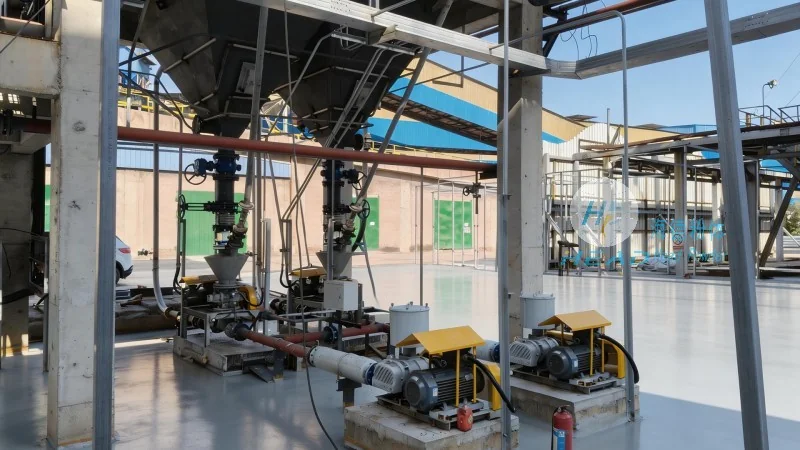
Regardless of the chosen transportation method, specialized equipment and stringent safety measures are essential to ensure the safe handling of ammonia fertilizer. Tanks and containers used for ammonia transport must meet specific standards for material compatibility, pressure resistance, and insulation to prevent leaks or spills. Regular maintenance and inspection of equipment are critical to maintaining operational safety. Additionally, transportation personnel must be trained in handling ammonia, including emergency response procedures in case of accidents. Regulatory compliance is also a key aspect, as ammonia is classified as a hazardous material in many regions, requiring adherence to safety guidelines and permits for transportation.
About Shandong HeadPowder Engineering Co., Ltd.
Shandong HeadPowder Engineering Co., Ltd. is a professional manufacturer and supplier specializing in the design, production, and installation of ammonia fertilizer transportation systems. With a focus on innovation and quality, the company provides comprehensive solutions tailored to the unique needs of agricultural and industrial clients. HeadPowder's expertise in engineering and material science ensures that their products meet the highest standards for safety, efficiency, and durability. The company's facilities are located in Shandong, China, where they leverage local resources and expertise to deliver reliable and cost-effective solutions for ammonia fertilizer transportation. By combining advanced technology with customer-centric service, HeadPowder aims to support the sustainable development of agricultural practices worldwide.