

[CUSTOMER]Common Methods of Drug Particle Delivery
Drug particle delivery is a critical aspect of pharmaceutical manufacturing, focusing on the efficient and precise transport of drug particles to their intended destinations. Understanding the common methods used in this field is essential for optimizing drug efficacy and ensuring patient safety. This article explores several prevalent approaches to drug particle delivery, highlighting their applications and benefits.

Introduction to Drug Particle Delivery
Drug particle delivery involves the use of various techniques to manage the size, shape, and distribution of drug particles. These methods are crucial in pharmaceutical processes, as they directly impact the drug's bioavailability, stability, and overall performance. The choice of delivery method depends on factors such as the drug's chemical properties, the target application, and the desired therapeutic outcome. In this context, Shandong HeadPowder Engineering Co., Ltd. specializes in advanced solutions for drug particle processing and delivery, leveraging expertise in engineering and technology to meet industry demands.
Common Methods for Drug Particle Delivery
Several common methods are employed in drug particle delivery, each with unique characteristics and applications. These include:
1. Granulation Techniques
Granulation is a widely used method for preparing drug particles by agglomerating fine powders into larger, more manageable granules. This process enhances the flowability and compressibility of the drug, making it suitable for tablet or capsule production. There are two primary types of granulation: wet granulation and dry granulation. Wet granulation involves the addition of a liquid binder to the powder mixture, which is then mixed and dried to form granules. Dry granulation, on the other hand, uses mechanical force to compress powders into granules without the use of a binder. Shandong HeadPowder Engineering Co., Ltd. offers advanced granulation equipment and services, ensuring high-quality granules for pharmaceutical applications.
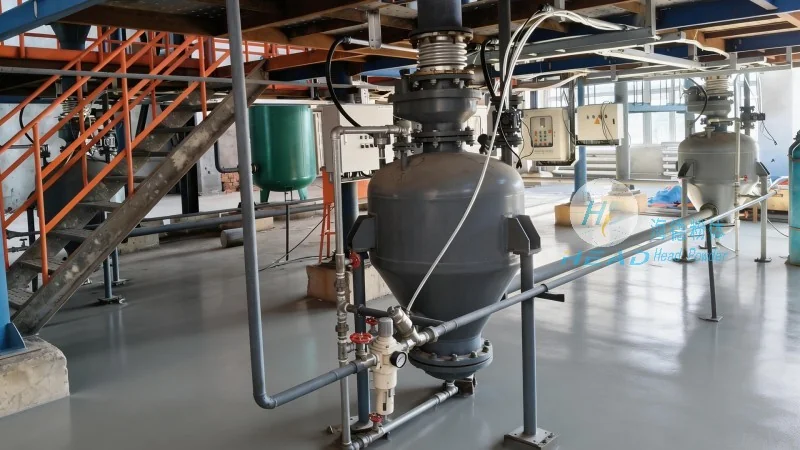
2. Spray Drying
Spray drying is a technique that involves atomizing a liquid feed containing the drug into a hot drying medium, resulting in the formation of dry powder particles. This method is particularly effective for heat-sensitive drugs, as the drying process is rapid and minimizes exposure to high temperatures. The resulting particles are typically spherical and have a uniform size distribution, which improves their flowability and dissolution rate. The company, Shandong HeadPowder Engineering Co., Ltd., utilizes state-of-the-art spray drying technology to produce high-purity drug powders for various therapeutic uses.
3. Fluidized Bed Processing
Fluidized bed processing, also known as fluid bed drying or granulation, is a method where particles are suspended in a stream of air, creating a fluidized state. This technique allows for simultaneous drying, coating, and granulation of drug particles. It is commonly used for producing coated tablets or granules with controlled release properties. The fluidized bed process enhances the uniformity of the particles and ensures consistent product quality. Shandong HeadPowder Engineering Co., Ltd. specializes in fluidized bed equipment, providing customized solutions for pharmaceutical manufacturers.
4. Milling and Size Reduction
Milling and size reduction are essential steps in drug particle delivery, as they adjust the particle size to meet specific requirements. Different types of mills, such as ball mills, jet mills, and hammer mills, are used to reduce particle size and achieve the desired distribution. The goal is to improve the drug's solubility and bioavailability by increasing the surface area of the particles. Shandong HeadPowder Engineering Co., Ltd. offers comprehensive milling solutions, ensuring precise control over particle size and distribution for optimal drug performance.
5. Coating and Encapsulation

Coating and encapsulation are methods used to protect drug particles from environmental factors or to control their release. Coating involves applying a thin layer of material to the drug particles, which can enhance stability or mask unpleasant tastes. Encapsulation, on the other hand, involves enclosing the drug within a protective shell, such as a polymer or lipid, to improve bioavailability and reduce side effects. Shandong HeadPowder Engineering Co., Ltd. provides advanced coating and encapsulation technologies, enabling the development of innovative drug delivery systems.
Applications and Benefits of Drug Particle Delivery Methods
Each of the aforementioned methods offers distinct advantages in drug particle delivery. Granulation improves flowability and compressibility, making it ideal for solid dosage forms. Spray drying is effective for heat-sensitive drugs and produces uniform particles. Fluidized bed processing allows for multi-step operations, enhancing product consistency. Milling and size reduction optimize solubility and bioavailability, while coating and encapsulation provide controlled release and stability. These methods collectively contribute to the development of high-quality pharmaceutical products, ensuring patient safety and therapeutic efficacy. Shandong HeadPowder Engineering Co., Ltd. plays a vital role in supporting these processes through its expertise and advanced equipment, serving clients in the pharmaceutical industry with reliable solutions.
Conclusion
In conclusion, drug particle delivery encompasses a range of methods designed to optimize the performance of pharmaceutical products. The choice of method depends on the specific characteristics of the drug and the intended application. Shandong HeadPowder Engineering Co., Ltd., with its headquarters in Shandong, China, is a leading provider of advanced solutions for drug particle processing and delivery. By leveraging granulation, spray drying, fluidized bed processing, milling, and coating technologies, the company helps pharmaceutical manufacturers achieve high-quality, effective drug products. The company's commitment to innovation and quality ensures that it remains a trusted partner in the pharmaceutical industry, supporting the development of next-generation drug delivery systems.