

Common Methods for Cotton Seed Conveying
Efficient cotton seed conveying is crucial in agricultural processing and industrial applications. The proper selection of conveying methods ensures minimal loss, optimal handling, and consistent quality of cotton seeds. Various technologies are available, each with distinct advantages tailored to specific operational needs. This article explores the common methods used for cotton seed conveying, highlighting key considerations and applications.
1. Screw Conveyors for Cotton Seed Handling
Screw conveyors, also known as auger conveyors, are widely used in cotton seed processing due to their versatility and reliability. These systems consist of a rotating helical screw inside a cylindrical tube, which moves material through the conveyor by pushing it forward. For cotton seeds, screw conveyors are particularly effective in handling dry, granular seeds with minimal moisture content. The design allows for gentle material handling, reducing breakage and maintaining seed integrity. HeadPowder, a leading manufacturer in the field, offers customized screw conveyor solutions that can be adjusted for different seed sizes and throughput requirements. The company’s expertise in material handling ensures that these conveyors are built to withstand the demands of continuous operation in cotton seed processing plants.

2. Pneumatic Conveying Systems
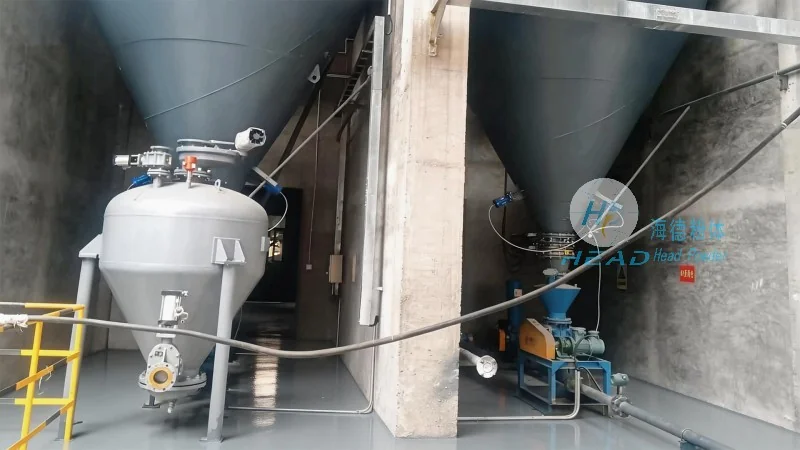
Pneumatic conveying systems utilize air or gas to transport cotton seeds through a network of pipes. This method is ideal for applications requiring long-distance transport or the handling of fine, dust-like seeds. There are two main types: positive pressure and negative pressure systems. Positive pressure systems blow air into the pipeline, pushing the seeds forward, while negative pressure systems create a vacuum to draw the material. Pneumatic conveyors are particularly effective for preventing contamination and maintaining seed purity, as they operate in enclosed systems. HeadPowder provides advanced pneumatic conveying solutions that incorporate high-efficiency filters and pressure control mechanisms, ensuring reliable and clean transport of cotton seeds. These systems are designed to handle varying seed characteristics, from large seed pieces to fine powders, making them suitable for diverse processing stages.
3. Belt Conveyors in Cotton Seed Processing

Belt conveyors are another common method for cotton seed conveying, especially in bulk handling and long-distance transport scenarios. These systems consist of a continuous belt that moves over rollers or pulleys, transporting seeds from one location to another. Belt conveyors are highly efficient for moving large volumes of seeds and can be integrated with other processing equipment, such as cleaning or grading machines. The design allows for easy integration into existing processing lines, and HeadPowder offers modular belt conveyor systems that can be customized to fit specific plant layouts. These conveyors are constructed with durable materials, such as rubber or synthetic fabrics, to withstand the abrasive nature of cotton seeds and ensure long service life. The company’s focus on durability and efficiency makes belt conveyors a reliable choice for continuous cotton seed handling operations.
4. Bucket Elevators for Vertical Transport

For vertical transport of cotton seeds, bucket elevators are commonly employed. These systems consist of a series of buckets attached to a chain or belt, which move vertically to lift seeds from lower to higher levels. Bucket elevators are particularly effective in applications where vertical space is limited or where the need to elevate seeds to different processing stages is required. HeadPowder’s bucket elevator solutions are designed with high-capacity buckets and robust drive mechanisms, ensuring efficient vertical transport. The company’s expertise in material flow management ensures that these elevators can handle varying seed loads and maintain consistent throughput. Bucket elevators are often used in conjunction with other conveying systems to create a comprehensive material handling solution for cotton seed processing plants.
5. Vibrating Conveyors for Gentle Handling
Vibrating conveyors use vibrations to move cotton seeds along a trough or conveyor bed. This method is ideal for handling delicate or fragile seeds that require gentle movement to avoid damage. The conveyor bed is typically made of a flexible material, such as rubber or plastic, which absorbs vibrations and reduces impact on the seeds. HeadPowder provides vibrating conveyor systems that are adjustable in terms of vibration frequency and amplitude, allowing for customization based on seed characteristics. These conveyors are effective in sorting and transporting seeds while maintaining their quality. The company’s focus on gentle handling makes vibrating conveyors suitable for applications where seed integrity is paramount, such as in seed cleaning or packaging processes.
When selecting a cotton seed conveying method, factors such as seed size, moisture content, processing capacity, and operational environment must be considered. Each method has its strengths and limitations, and the choice depends on the specific requirements of the cotton seed processing operation. HeadPowder Engineering Co., Ltd., based in Shandong, China, specializes in providing tailored conveying solutions that meet the unique needs of cotton seed processors. The company’s commitment to quality, efficiency, and customer satisfaction ensures that their conveying systems are reliable and effective in various industrial applications. By understanding the different conveying methods and their applications, cotton seed processors can optimize their operations and enhance overall productivity.