

[Dust Transport Methods: Exploring Various Approaches]
When it comes to handling and transporting dust materials, selecting the right method is crucial for efficiency, safety, and cost-effectiveness. Different industries face unique challenges when it comes to moving powders, and the choice of transport system can significantly impact operational outcomes. In this article, we will explore the primary methods used for dust transport, highlighting their applications, advantages, and considerations. As a leading provider in the field, Shandong HeadPowder Engineering Co., Ltd. specializes in designing and implementing tailored dust handling solutions that meet the specific needs of various sectors.
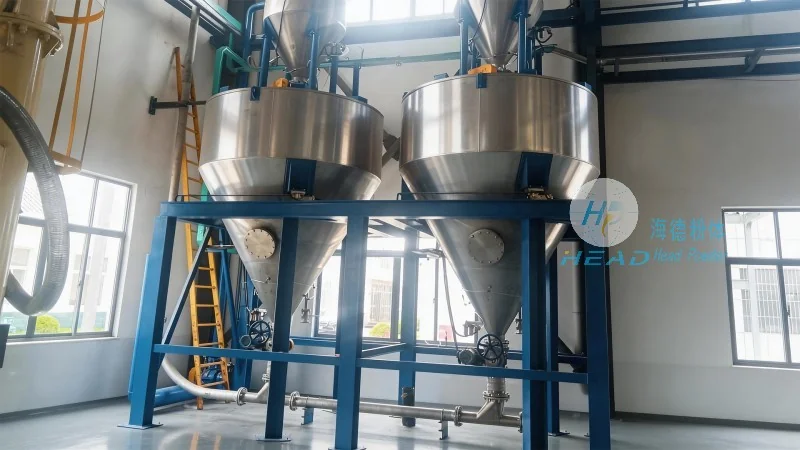
1. Air-Pneumatic Conveying: The Most Common Method for Fine Powders
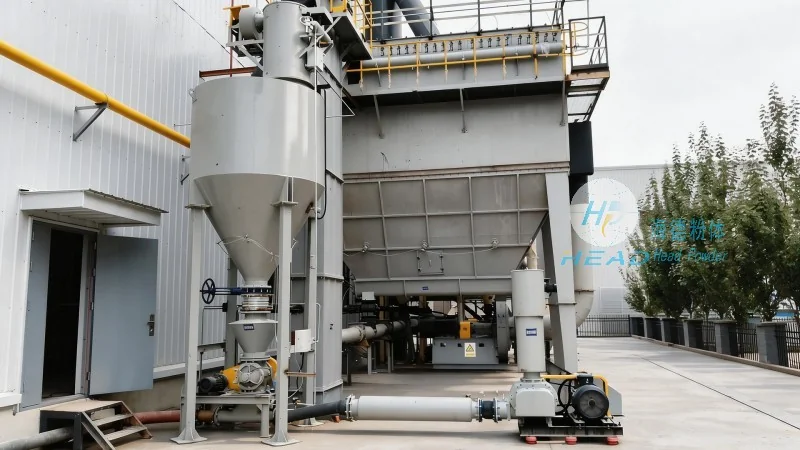

Air-pneumatic conveying, often referred to as pneumatic transport, is one of the most widely used techniques for moving dust and fine powders. This method relies on the use of compressed air to create a flow that carries the material through a pipeline. There are two main types of pneumatic conveying systems: pressure and vacuum. Pressure systems use positive pressure to push the material forward, while vacuum systems use negative pressure to pull it. The choice between these depends on factors such as the distance to be covered, the material's characteristics, and the desired throughput. For example, in food processing or pharmaceutical industries, where hygiene is paramount, pressure systems are often preferred to prevent contamination from external air. In contrast, vacuum systems are suitable for applications where the material needs to be collected from multiple sources or where the material is too abrasive for pressure systems. The key advantage of pneumatic conveying is its ability to transport materials over long distances with minimal maintenance, making it ideal for large-scale operations. However, it requires a consistent air supply and may not be suitable for very heavy or large particles, as they can cause blockages or excessive wear on components.