

Common Methods for Transporting Lithium Oxalate: Advantages of HeadPowder's Pneumatic Conveying System
Lithium oxalate is a vital chemical compound used extensively in industries such as battery manufacturing, pharmaceuticals, and specialty chemicals. The efficient and safe transport of this fine powder is crucial for maintaining production efficiency and ensuring product integrity. This article explores common transport methods for lithium oxalate and highlights the advantages of HeadPowder's pneumatic conveying system, a leading solution in the field.
Traditional Transport Methods and Their Limitations
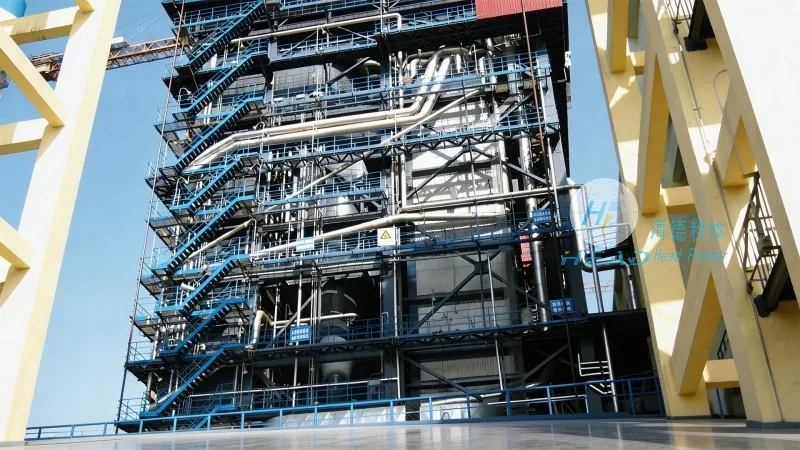
Historically, lithium oxalate has been transported using conventional methods like manual handling, bucket elevators, and belt conveyors. These methods, while simple in design, present several challenges. Manual handling is labor-intensive and poses safety risks due to the handling of powders, which can cause respiratory issues and contamination. Bucket elevators and belt conveyors can handle larger volumes but often suffer from issues like material buildup, clogging, and dust generation. Fine powders like lithium oxalate are particularly prone to segregation and loss during transport, reducing overall material recovery rates. Additionally, these systems may not be suitable for long-distance transport or integration with automated production lines.
Pneumatic Conveying: A Superior Solution for Lithium Oxalate
Pneumatic conveying has become the preferred method for transporting lithium oxalate due to its ability to handle fine powders efficiently and safely. HeadPowder's pneumatic conveying system is engineered specifically for lithium oxalate, offering several key advantages. First, it provides a dust-free environment, which is critical for maintaining product purity and complying with environmental regulations. The closed-loop design of the system prevents dust emissions and minimizes contamination risks, ensuring that the material remains free from foreign particles. Second, the system ensures consistent and reliable transport, reducing material loss and improving overall production efficiency. The positive and negative pressure capabilities allow for flexible transport routes, accommodating various production layouts and reducing the need for additional equipment. Third, the system is highly adaptable, allowing for integration with existing production lines and customization to meet specific operational requirements, such as varying flow rates or material types.
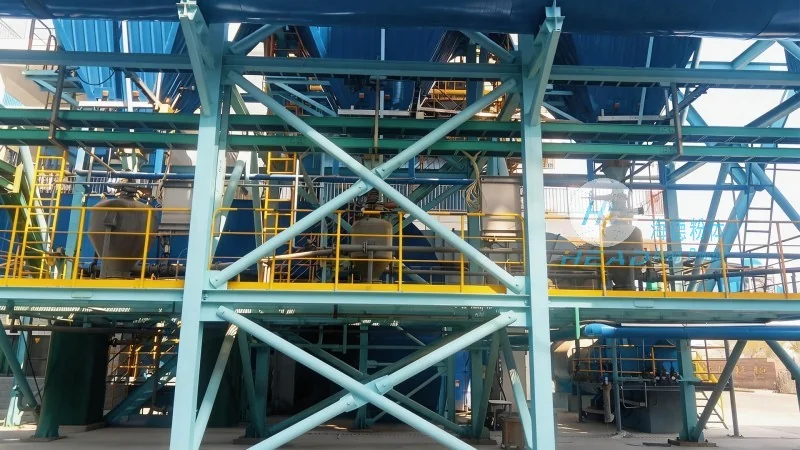
Key Features of HeadPowder's Pneumatic Conveying System
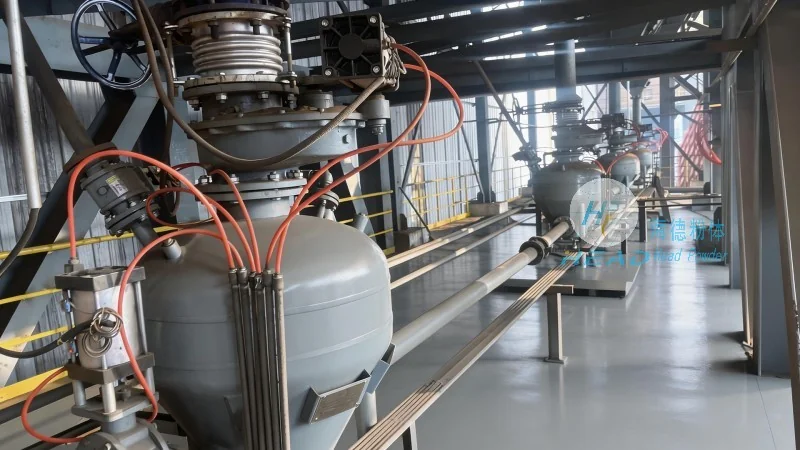
HeadPowder's pneumatic conveying system incorporates advanced technology to optimize lithium oxalate transport. The system features a combination of positive and negative pressure conveying, which balances energy efficiency with transport capacity. The equipment is constructed from high-quality materials, such as stainless steel, to resist corrosion and ensure durability in handling lithium oxalate, which can be corrosive in certain conditions. Advanced control systems monitor flow rates, pressure, and temperature in real-time, providing data for process optimization and preventing equipment damage. This level of control helps maintain product quality and reduces downtime due to maintenance or operational issues. The system also includes features like automatic cleaning and material separation, further enhancing its reliability and reducing the need for manual intervention.
Comparative Analysis: Pneumatic Conveying vs. Other Methods
When compared to traditional methods, HeadPowder's pneumatic conveying system offers significant advantages in terms of efficiency, safety, and cost-effectiveness. For example, compared to manual handling, the pneumatic system reduces labor costs by up to 70% and minimizes human error, leading to higher material recovery rates. Compared to bucket elevators, it eliminates the risk of clogging and material buildup, resulting in higher throughput and lower maintenance costs. The dust-free operation of the system also reduces the need for additional filtration and cleaning, further improving operational efficiency. Additionally, the system's adaptability allows for integration with automated production lines, enabling seamless operation and reduced labor requirements. Overall, the pneumatic conveying system provides a more sustainable and reliable solution for lithium oxalate transport, aligning with modern industrial standards for efficiency and safety.
Conclusion: Selecting the Right Transport Method for Lithium Oxalate
In conclusion, the choice of transport method for lithium oxalate depends on specific operational needs, including production scale, safety standards, and environmental regulations. While traditional methods like manual handling and belt conveyors have their uses, they often fall short in terms of efficiency and safety. Pneumatic conveying, particularly HeadPowder's advanced system, offers a superior solution by providing dust-free operation, consistent transport, and high adaptability. For industries seeking to enhance production efficiency and ensure product quality, HeadPowder's pneumatic conveying system is a reliable and effective choice. By leveraging this technology, companies can optimize their lithium oxalate transport processes and achieve better overall performance. HeadPowder, as a leading provider in the field, continues to innovate and provide solutions that meet the evolving needs of the lithium oxalate industry.