

What Are the Conveying Methods for Zinc Oxide Powder? An Introduction to HeadPowder's Pneumatic Conveying Solutions
When it comes to handling and transporting zinc oxide powder, selecting the right conveying method is crucial for maintaining product quality, efficiency, and operational safety. Zinc oxide is widely used in various industries, including rubber, ceramics, and pharmaceuticals, making reliable powder transport essential for production processes. This article explores the common conveying methods for zinc oxide powder and introduces HeadPowder's advanced pneumatic conveying solutions, highlighting their benefits and applications.

Understanding Zinc Oxide Powder Properties and Conveying Challenges
Zinc oxide powder is characterized by its fine particle size, which can range from sub-micron to several microns depending on the production process. This fine structure makes it prone to issues like dust generation, caking, and agglomeration during handling. Additionally, zinc oxide can be hygroscopic in some conditions, meaning it may absorb moisture from the air, affecting its flowability and stability. These properties pose challenges for traditional bulk material handling systems, as they can lead to equipment wear, product degradation, and inefficient transport. Therefore, choosing an appropriate conveying method that addresses these challenges is critical for industrial applications.
Common Conveying Methods for Zinc Oxide Powder
Several conventional conveying methods are used for zinc oxide powder, each with its own advantages and limitations. The most common approaches include:
1. Gravity Conveying: This method relies on the natural flow of powder down inclined chutes or hoppers. It is simple and low-cost but is limited by the need for a steep incline and is not suitable for long distances or vertical transport. Gravity conveying is often used for short runs within a production facility but may not be efficient for large-scale or multi-level operations.
2. Pneumatic Conveying: This technique uses air or other gases to transport powder through a pipeline system. It offers high flexibility, as it can handle both horizontal and vertical transport, and is effective for long distances. Pneumatic conveying is widely used in industries dealing with fine powders due to its ability to maintain product integrity and minimize contamination. However, it requires careful design to prevent pressure drops and ensure consistent flow.
3. Mechanical Conveying: Methods such as screw conveyors, belt conveyors, and bucket elevators are used for transporting zinc oxide powder. These systems are robust and can handle high volumes but may cause particle degradation due to friction and impact. Mechanical conveyors are suitable for bulk handling but may not be ideal for delicate powders like zinc oxide, which can suffer from attrition and loss of quality.
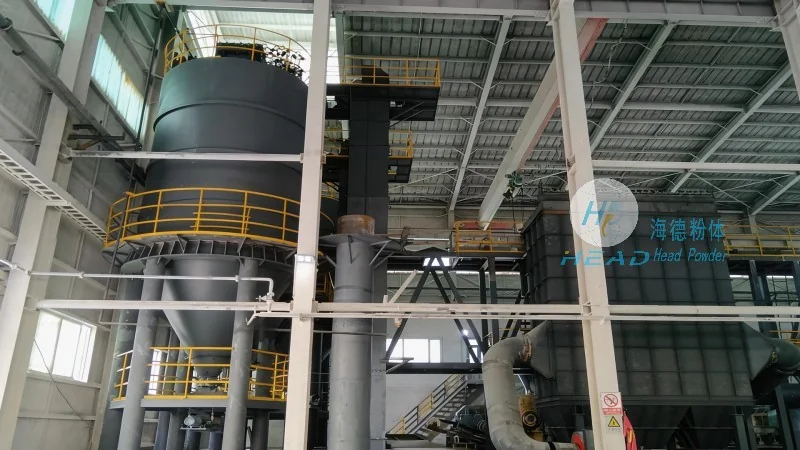
HeadPowder's Pneumatic Conveying Solutions for Zinc Oxide Powder
HeadPowder, a leading provider of bulk material handling solutions, specializes in developing advanced pneumatic conveying systems tailored to the unique needs of zinc oxide powder. The company's expertise lies in designing systems that ensure minimal product degradation, consistent flow rates, and efficient transport over various distances and elevations. HeadPowder's solutions are engineered to address the challenges associated with zinc oxide's fine particle size and hygroscopic nature, ensuring that the powder remains in optimal condition throughout the conveying process.
One of the key advantages of HeadPowder's pneumatic conveying systems is their ability to maintain product purity and prevent contamination. The systems are designed with high-quality materials that are resistant to corrosion and wear, ensuring long-term reliability. Additionally, HeadPowder's solutions are equipped with advanced control systems that allow for precise regulation of air pressure and flow, optimizing the conveying process and reducing energy consumption.
Key Features of HeadPowder's Pneumatic Conveying Systems
HeadPowder's pneumatic conveying systems for zinc oxide powder incorporate several key features that enhance performance and efficiency:
1. Positive Displacement Pneumatic Conveying: This method uses a positive displacement pump to create a consistent flow of air and powder, ensuring reliable transport even at low pressures. It is particularly effective for long-distance or high-elevation transport, as it maintains a stable pressure throughout the system.
2. Pressure-Relief and Filtration Systems: To prevent overpressure and ensure safe operation, HeadPowder's systems include pressure relief valves and efficient filtration units. These components help maintain system integrity and protect against dust emissions, contributing to a cleaner and safer working environment.
3. Customized Pipeline Design: Each conveying system is tailored to the specific requirements of the customer, including the distance, elevation change, and volume of zinc oxide powder to be transported. HeadPowder's engineers work closely with clients to design pipelines with appropriate diameters and bends, minimizing pressure losses and optimizing flow efficiency.
Benefits of Choosing HeadPowder's Pneumatic Conveying Solutions

Implementing HeadPowder's pneumatic conveying systems for zinc oxide powder offers several benefits for industrial operations:
1. Improved Product Quality: By minimizing particle degradation and contamination, the systems help maintain the purity and quality of zinc oxide powder, which is critical for its end-use applications in rubber, ceramics, and pharmaceuticals.
2. Enhanced Operational Efficiency: The consistent flow rates and reduced downtime associated with pneumatic conveying systems lead to higher productivity and lower operational costs. The ability to transport powder over long distances without intermediate storage also streamlines production processes.
3. Increased Safety and Environmental Compliance: The enclosed pipeline design and filtration systems reduce dust emissions, improving workplace safety and helping companies meet environmental regulations. This is particularly important for handling fine powders like zinc oxide, which can pose respiratory hazards if not properly contained.
Conclusion
When selecting a conveying method for zinc oxide powder, it is essential to consider the material's properties and the specific requirements of the application. While conventional methods like gravity and mechanical conveying have their uses, pneumatic conveying offers superior performance and flexibility for handling fine powders. HeadPowder's advanced pneumatic conveying solutions provide a reliable and efficient way to transport zinc oxide powder, ensuring product quality, operational efficiency, and safety. For companies seeking to optimize their zinc oxide powder handling processes, HeadPowder's expertise and customized systems offer a compelling solution.