

How to Choose the Right Pneumatic Conveying System for Your Ferrous Sulfate Handling Process?
For industrial facilities dealing with ferrous sulfate, selecting an efficient and reliable material handling system is crucial to maintaining operational efficiency and product quality. Ferrous sulfate, commonly used in water treatment, agriculture, and chemical manufacturing, presents unique challenges when it comes to transportation due to its physical properties such as moisture content, particle size, and flowability. Traditional methods like belt conveyors or bucket elevators may not always be suitable for handling this material, especially when dealing with dust, moisture, or the need for enclosed, hygienic transport. This is where pneumatic conveying systems offer a compelling solution, providing a flexible, low-maintenance, and dust-free method to move ferrous sulfate from storage to processing units or packaging areas.
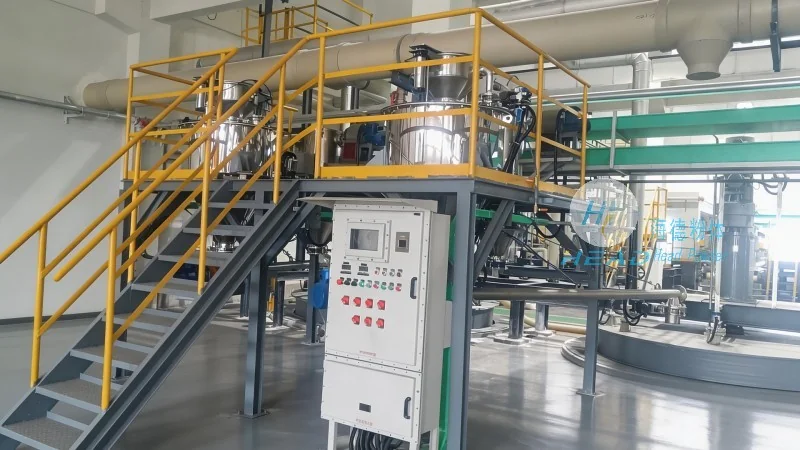
Understanding the Importance of Selecting the Right Pneumatic Conveying System
When it comes to handling ferrous sulfate, the choice of pneumatic conveying system is not a one-size-fits-all decision. The effectiveness of the system depends on several key factors, including the material's characteristics, the required transport distance, the desired throughput, and the environmental considerations of the facility. A well-designed system can significantly reduce downtime, improve safety, and enhance overall productivity. Conversely, an ill-suited system may lead to blockages, increased maintenance costs, and potential product contamination. Therefore, a thorough evaluation of these factors is essential before committing to a specific type of pneumatic conveying system.
Key Factors to Consider When Choosing a Pneumatic Conveying System for Ferrous Sulfate
Several critical aspects must be considered to ensure the optimal performance of a pneumatic conveying system for ferrous sulfate. First, the physical properties of the material itself play a pivotal role. Ferrous sulfate can vary in particle size, density, and moisture content, which directly impacts how it behaves during transport. For instance, finer particles may require higher air velocities to prevent settling or clogging, while larger chunks might need a different system design to avoid damage. Additionally, the presence of moisture can affect the material's flowability and may necessitate a system that incorporates drying or moisture control mechanisms to prevent corrosion or blockages.

Second, the distance and layout of the transport route are crucial. For short distances, a simple venturi or pressure-type system might suffice. However, for longer distances or complex layouts involving multiple turns and elevation changes, a more robust system like a positive pressure blower system or a combination of both may be required. The choice of system also depends on the throughput capacity needed—whether the facility requires continuous, high-volume transport or intermittent, low-volume handling.
Types of Pneumatic Conveying Systems for Ferrous Sulfate Handling
There are primarily two types of pneumatic conveying systems used in industrial applications: pressure and vacuum systems. Pressure systems use a positive pressure blower to force air and material through the pipeline, making them suitable for long-distance transport and handling abrasive or corrosive materials like ferrous sulfate. These systems typically offer higher throughput and are more effective in preventing material degradation due to less exposure to air. On the other hand, vacuum systems use a vacuum pump to draw material into the pipeline, which is ideal for short-distance transport, loading hoppers, or when the material needs to be collected from multiple sources. For ferrous sulfate, a pressure system is often preferred due to its ability to handle the material's characteristics more effectively, especially when dealing with moisture or fine particles.
Benefits of Choosing a Pneumatic Conveying System from HeadPowder Engineering
Shandong HeadPowder Engineering Co., Ltd., a leading provider of material handling solutions, specializes in designing and manufacturing customized pneumatic conveying systems tailored to the unique needs of ferrous sulfate handling. With a deep understanding of the challenges associated with this material, HeadPowder Engineering offers systems that address key concerns such as dust control, moisture management, and material flow optimization. Their expertise in selecting the appropriate system type—whether it's a pressure or vacuum system, and the specific components like blower units, filters, and control valves—ensures that the final solution meets the operational requirements of the facility.

HeadPowder Engineering's systems are designed with durability and low maintenance in mind. The use of high-quality materials and robust construction ensures that the equipment can withstand the corrosive nature of ferrous sulfate and the demands of continuous operation. Additionally, their systems are equipped with advanced control technologies that allow for precise regulation of air flow and material transport, minimizing energy consumption and maximizing efficiency. This not only reduces operational costs but also enhances the safety of the handling process by reducing the risk of dust exposure and material spillage.
Conclusion: Making the Right Choice for Ferrous Sulfate Handling
Choosing the right pneumatic conveying system for ferrous sulfate handling is a critical decision that can significantly impact the efficiency and safety of industrial operations. By considering the material's properties, transport requirements, and the capabilities of different system types, facilities can select a solution that meets their specific needs. With the expertise and experience of companies like Shandong HeadPowder Engineering Co., Ltd., based in Shandong, China, industrial facilities can ensure that their ferrous sulfate handling processes are optimized for performance, reliability, and cost-effectiveness. The right system not only improves the overall workflow but also contributes to a safer and more sustainable operation, making it a worthwhile investment for any facility dealing with ferrous sulfate.