

How to Choose the Right Pneumatic Conveying System for Your Tea Processing?
When it comes to optimizing your tea processing operations, selecting the appropriate pneumatic conveying system is a critical decision that can significantly impact efficiency, product quality, and overall operational costs. The tea industry, with its diverse range of products from green tea to black tea and various blends, demands specialized equipment that can handle delicate particles, prevent contamination, and maintain consistent moisture levels. In this guide, we will explore the key factors to consider when choosing a pneumatic conveying system for your tea processing facility, with a focus on the expertise and solutions offered by Shandong HeadPowder Engineering Co., Ltd., a leading manufacturer in the field.
HeadPowder, a prominent name in the pneumatic conveying industry, understands the unique challenges faced by tea processors. The company’s commitment to quality and innovation has positioned it as a trusted partner for businesses seeking reliable and efficient conveying solutions. With a deep understanding of the tea industry's specific requirements, HeadPowder provides tailored systems that address the complexities of handling tea leaves, dust, and other byproducts. By considering the following aspects, you can make an informed decision that aligns with your production goals and operational needs.

Key Factors to Consider in Selecting a Pneumatic Conveying System for Tea Processing
Before diving into the specifics of system types, it is essential to evaluate several key factors that will influence your choice. The first and most critical factor is the physical characteristics of the tea product being conveyed. Tea leaves vary in size, density, and moisture content, which directly affect the system's design. For instance, fine tea dust requires a different approach compared to larger leaf fragments. Understanding these properties helps in selecting the appropriate air velocity, pipeline diameter, and material handling method.

Another crucial consideration is the distance and layout of the conveying system. Whether you need to transport tea from the drying and sorting area to the packaging line or between different processing stages, the length and complexity of the pipeline will dictate the system's capacity and energy consumption. HeadPowder's engineers can conduct a thorough assessment of your facility's layout to design a system that minimizes energy waste and maximizes throughput.
Operational efficiency and maintenance requirements are also vital. A system that is easy to clean and maintain will reduce downtime and ensure consistent product quality. HeadPowder's systems are designed with hygienic standards in mind, making them suitable for food-grade applications. The use of stainless steel components and easy-to-access maintenance points ensures that your tea processing line remains operational with minimal interruptions.

Types of Pneumatic Conveying Systems for Tea Processing
There are primarily two types of pneumatic conveying systems used in the tea industry: positive pressure and negative pressure systems. Each has its own advantages and is suitable for different applications.
Positive pressure systems, also known as pressure conveying, use a blower or compressor to generate positive pressure within the pipeline, pushing the material forward. This method is ideal for long-distance conveying and handling abrasive materials. HeadPowder offers positive pressure systems with high-pressure blowers that can handle the demands of tea processing, ensuring reliable and consistent material transport. These systems are particularly effective for transporting tea from the processing plant to storage or packaging areas.
Negative pressure systems, or vacuum conveying, use a vacuum pump to create a negative pressure in the pipeline, drawing the material into the system. This approach is well-suited for short to medium-distance conveying and is often preferred for handling fine powders and dust. Negative pressure systems are gentle on the material, minimizing particle breakage and preserving the quality of the tea leaves. HeadPowder's vacuum conveying systems are designed with advanced filtration and separation technology to prevent product loss and contamination.
Design Considerations for Optimal Performance
When selecting a pneumatic conveying system for tea processing, several design aspects must be carefully evaluated. The choice of air velocity is critical. Too low a velocity may cause material to settle in the pipeline, leading to blockages, while too high a velocity can increase energy consumption and cause wear on components. HeadPowder's engineers use advanced computational fluid dynamics (CFD) to model the flow of air and material, ensuring optimal velocity settings for your specific application.
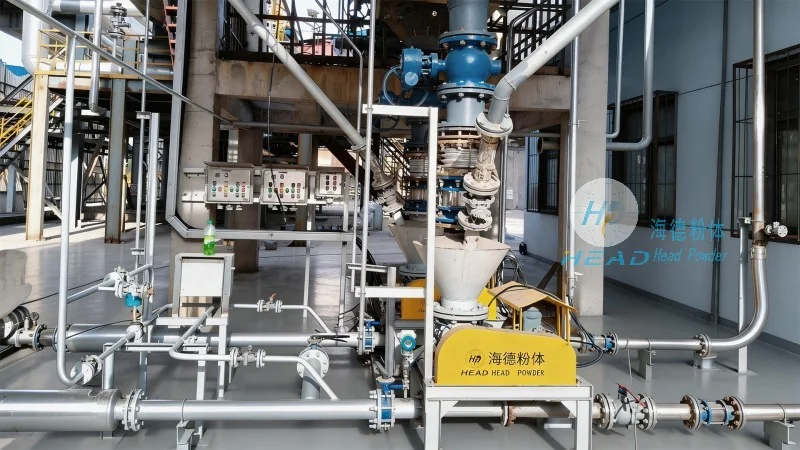
Pipeline design and material selection also play a significant role. The diameter and length of the pipeline, along with the use of bends and fittings, affect the system's efficiency. HeadPowder utilizes high-quality stainless steel and food-grade materials for all components, ensuring durability and compliance with industry standards. The company's expertise in customizing systems allows for the integration of necessary features such as filters, cyclones, and dust collectors to maintain product purity.
Energy efficiency is another key consideration. Modern pneumatic conveying systems are designed to minimize energy consumption without compromising performance. HeadPowder's systems incorporate energy-saving blowers and efficient pipeline designs, reducing operational costs over time. By investing in a well-designed system, tea processors can achieve significant savings in electricity and maintenance expenses.