

How to Design a Reasonable Cement and Mine Powder Pneumatic Conveying System Plan?
For industrial applications involving the transportation of cement and mine powders, selecting an efficient and reliable pneumatic conveying system is crucial. A well-designed system not only enhances operational efficiency but also ensures safety and cost-effectiveness. This article provides a comprehensive guide on how to design a reasonable pneumatic conveying system plan, focusing on key considerations and best practices.
Understanding the Core Components of Pneumatic Conveying Systems

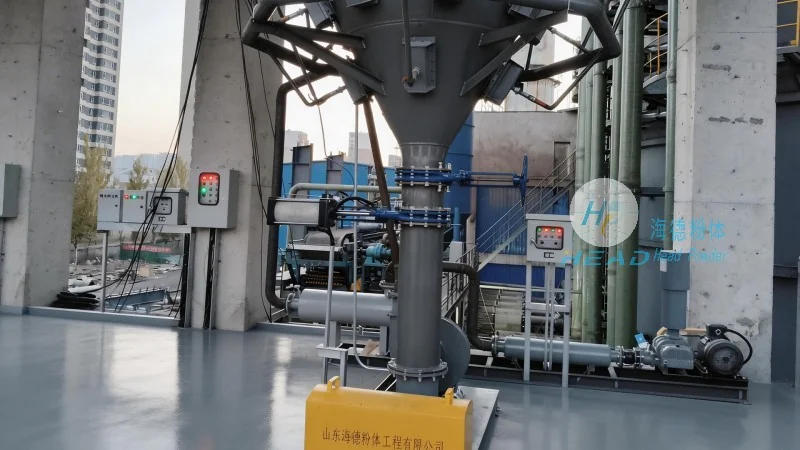
A pneumatic conveying system typically consists of several essential components, each playing a vital role in the overall operation. The primary components include the material hopper, feeder, conveying line, and receiver. The material hopper is responsible for storing the bulk material, while the feeder ensures a consistent and controlled flow of the powder into the system. The conveying line, often made of metal or plastic, transports the material through the system under pressure. The receiver collects the material at the destination point. Each component must be carefully selected and sized to match the specific characteristics of the cement and mine powders being handled, such as particle size, moisture content, and bulk density.
Key Design Considerations for Efficient System Operation
When designing a pneumatic conveying system for cement and mine powders, several critical factors must be considered to ensure optimal performance. First, the system's capacity and flow rate must be determined based on the production requirements and the volume of material to be transported. This involves calculating the required air velocity and pressure to move the material through the conveying line without clogging or excessive energy consumption. Second, the material's physical properties, including particle size distribution, density, and abrasiveness, significantly impact the system's design. For example, fine powders may require higher air velocities to prevent settling, while coarse particles might need larger duct sizes to avoid blockages. Third, the system's layout and integration with existing infrastructure are important. The conveying line should be designed to minimize bends and changes in direction, as sharp turns can cause material deposition and reduce system efficiency. Additionally, the system should be equipped with proper filtration and dust collection to comply with environmental regulations and maintain a clean working environment.
Material Handling Challenges and Solutions
Handling cement and mine powders presents unique challenges due to their fine particle size and potential for dust generation. These materials are often prone to caking, which can lead to system blockages and operational disruptions. To mitigate this issue, the system design should include features such as agitators or vibrators in the material hopper to prevent material from settling and forming lumps. The use of appropriate air filtration systems is also essential to capture dust and prevent it from escaping into the environment. Furthermore, the selection of materials for the conveying line and components should be resistant to corrosion and abrasion, as cement and mine powders can be chemically aggressive and cause wear over time. By addressing these challenges proactively, the system can maintain consistent performance and reduce maintenance costs.
Energy Efficiency and Cost Optimization in System Design

Energy consumption is a significant factor in the long-term operation of pneumatic conveying systems. Designing an energy-efficient system involves optimizing the air pressure and velocity to minimize energy use while still achieving the required material transport. For example, using a positive pressure system with appropriate air compressors can reduce energy costs compared to negative pressure systems, which often require more power to draw air through the system. Additionally, the system should be equipped with variable frequency drives (VFDs) to adjust the air flow based on the material demand, preventing unnecessary energy waste. Regular maintenance and monitoring of the system components, such as air filters and pumps, can also help identify and address inefficiencies, further reducing operational costs. By focusing on energy efficiency, the system can provide a lower total cost of ownership and enhance the overall profitability of the operation.
Customization and Scalability for Diverse Applications
Every industrial application has unique requirements, and a one-size-fits-all approach to pneumatic conveying systems is not effective. Therefore, customization is a key aspect of designing a reasonable system. The system should be designed to accommodate the specific needs of the client, including the type and quantity of cement and mine powders, the distance to be transported, and the desired throughput. This may involve adjusting the size of the conveying line, the capacity of the material hopper, or the power of the air compressor. Additionally, the system should be scalable to allow for future expansion or changes in production requirements. For example, a modular design that allows for the addition of extra conveying lines or receivers can provide flexibility as the business grows. By offering customized and scalable solutions, companies can ensure that the system meets the current and future needs of the client, providing long-term value.
Conclusion: Ensuring a Reliable and Efficient Pneumatic Conveying System
Designing a reasonable pneumatic conveying system for cement and mine powders requires a thorough understanding of the material properties, operational requirements, and best practices in the industry. By carefully considering the core components, key design factors, and potential challenges, a system can be optimized for efficiency, reliability, and cost-effectiveness. The involvement of experienced engineers and manufacturers, such as Shandong HeadPowder Engineering Co., Ltd., can provide valuable expertise and ensure that the system is tailored to the specific needs of the client. With proper design and maintenance, a pneumatic conveying system can significantly enhance the productivity and safety of industrial operations, making it a worthwhile investment for any facility handling cement and mine powders.