

How to Design a Reasonable Vanadium Oxide Pneumatic Conveying System Plan?
When it comes to designing a pneumatic conveying system for vanadium oxide, a systematic approach is essential to ensure efficiency, safety, and cost-effectiveness. Vanadium oxide is a critical material in various industrial applications, and the design of its pneumatic conveying system requires careful consideration of several key factors. This article will outline the essential steps and considerations for developing a well-structured plan for such a system, with a focus on practical implementation and optimal performance.
Understanding the Material Properties of Vanadium Oxide
Before designing the pneumatic conveying system, it is crucial to understand the physical and chemical properties of vanadium oxide. Vanadium oxide is typically a fine powder with specific characteristics such as particle size distribution, bulk density, and flowability. These properties directly impact the selection of the conveying method, equipment, and system design. For instance, if the powder is highly cohesive or has a wide particle size range, a positive pressure system might be more suitable than a negative pressure system. Additionally, the chemical stability of vanadium oxide under different operating conditions must be considered to prevent degradation or contamination during transport.
Choosing the Right Pneumatic Conveying Method

There are primarily two types of pneumatic conveying systems: positive pressure and negative pressure. The choice between these methods depends on the material's properties, the distance to be conveyed, and the required system pressure. Positive pressure systems use compressed air to push the material through the pipeline, while negative pressure systems use vacuum to pull the material. For vanadium oxide, which is often a fine powder, a positive pressure system is commonly preferred due to its ability to handle high volumes and maintain consistent flow rates. The selection of the conveying method also influences the design of the hopper, feeder, and pipeline layout. For example, a positive pressure system may require a more robust hopper design to prevent material bridging and ensure smooth material discharge.
System Components and Design Considerations

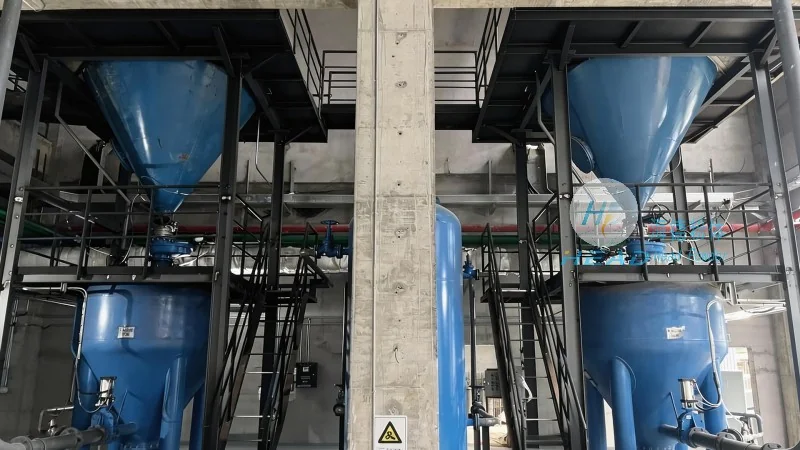
A pneumatic conveying system for vanadium oxide typically consists of several key components, including a hopper, feeder, air compressor, pipeline, and receiver. Each component plays a vital role in the overall system performance. The hopper is designed to store the vanadium oxide and provide a consistent feed to the feeder. The feeder, often a rotary valve or a screw feeder, controls the material flow rate and prevents air leakage. The air compressor supplies the necessary pressure to move the material through the pipeline. The pipeline design is critical, as it must be sized appropriately to handle the material's flow characteristics and avoid pressure losses. The receiver is used to collect the conveyed material and may include a dust collection system to ensure environmental compliance.
Material Handling and Safety Measures
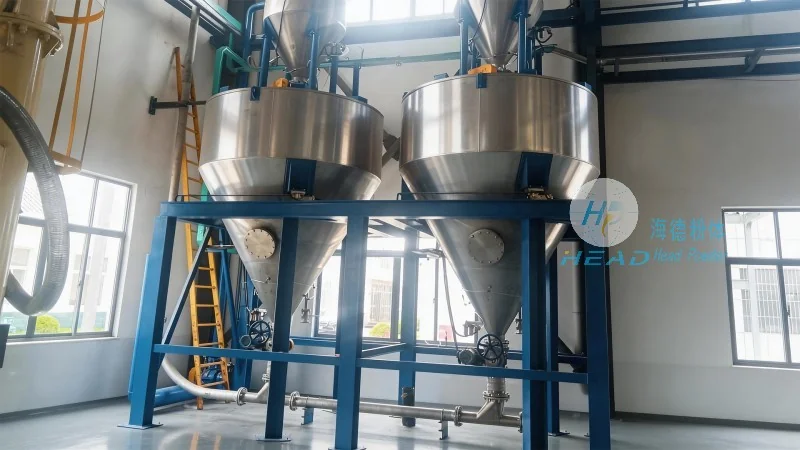
Handling vanadium oxide requires adherence to safety protocols to protect personnel and equipment. Vanadium oxide can be hazardous if inhaled or if it comes into contact with skin or eyes. Therefore, the system design must incorporate proper ventilation and dust collection to minimize exposure. Additionally, the equipment must be designed to prevent material buildup and ensure easy maintenance. Regular cleaning and inspection of the system components are essential to maintain optimal performance and prevent downtime. The system should also be equipped with safety features such as pressure relief valves and emergency shut-off mechanisms to prevent accidents.
Optimizing System Performance and Maintenance
Once the pneumatic conveying system is installed, optimizing its performance is crucial for long-term efficiency. This involves monitoring key parameters such as pressure, flow rate, and material temperature. Regular maintenance, including cleaning the pipeline and replacing worn-out parts, is necessary to prevent system degradation. The system should also be designed with scalability in mind, allowing for future expansion or changes in material handling requirements. By implementing these measures, the system can operate at peak efficiency, reducing operational costs and ensuring reliable material transport.