

Comparison of Advantages and Disadvantages of Common Positive and Negative Electrode Material Convey
Electrode materials, as the core components of lithium-ion batteries, require efficient and reliable conveying methods to ensure smooth production processes. The choice of conveying method directly impacts production efficiency, material quality, and operational costs. This article provides a detailed comparison of common positive and negative electrode material conveying methods, focusing on their advantages and disadvantages to help manufacturers select the most suitable solution for their production lines.
Overview of Common Conveying Methods for Electrode Materials
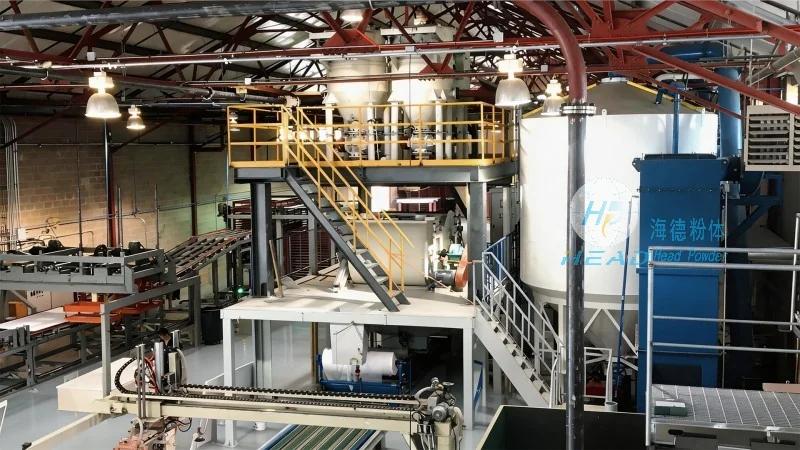
Conveying systems for electrode materials typically include belt conveyors, screw conveyors, and pneumatic conveying systems. Each method has unique characteristics that make it suitable for different production scenarios. The following sections will delve into the specific advantages and disadvantages of these methods.
Advantages and Disadvantages of Belt Conveyors
Belt conveyors are widely used in the electrode material production industry due to their high load capacity and ability to transport materials over long distances. They are particularly effective for handling bulk materials like graphite and lithium iron phosphate powders. The smooth surface of the conveyor belt prevents material sticking, which is crucial for maintaining material purity. However, belt conveyors have limitations when dealing with fine powders, as they may cause dust accumulation and require regular maintenance to prevent belt wear. The initial investment for belt conveyors is relatively high, but their operational efficiency and durability make them a popular choice for large-scale production facilities.

Advantages and Disadvantages of Screw Conveyors
Screw conveyors are another common option for electrode material conveying, especially for materials with moderate moisture content or those that need to be mixed with other additives. They are compact and can be installed in confined spaces, making them suitable for smaller production lines. The screw mechanism ensures continuous material movement, reducing the risk of material stagnation. However, screw conveyors are less effective for very fine powders, as they can cause excessive friction and heat generation, potentially degrading the material quality. Additionally, they may not handle materials with high moisture content well, as the screw can become clogged. The maintenance cost for screw conveyors is relatively low, but their throughput may be lower compared to belt conveyors for large volumes.
Advantages and Disadvantages of Pneumatic Conveying Systems
Pneumatic conveying systems use air pressure to transport materials, offering a dust-free and enclosed conveying solution. This method is ideal for handling fine powders and preventing contamination from external factors. The enclosed system also helps in controlling material moisture and temperature, which is critical for maintaining the quality of electrode materials. However, pneumatic conveying systems require higher energy consumption compared to mechanical conveyors, as they need to generate sufficient air pressure to move the material. The system complexity and cost are higher, and maintenance can be more challenging due to the need for air filtration and pressure regulation components. Additionally, the system may not be suitable for very large volumes of material, as the air flow rate and pressure need to be carefully managed.
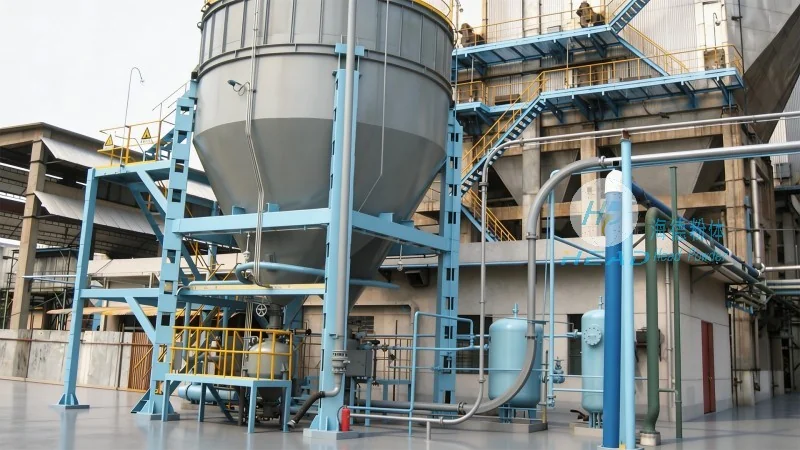
Factors to Consider When Choosing a Conveying Method
When selecting a conveying method for electrode materials, manufacturers should consider several factors, including material properties, production scale, and operational environment. The material's particle size, moisture content, and flowability are key determinants. For example, belt conveyors are preferred for large volumes of coarse powders, while screw conveyors are better for moderate volumes with moderate moisture content. Pneumatic systems are ideal for fine powders and applications requiring dust control. Additionally, the production line layout and available space should be taken into account, as different conveyors have varying space requirements. The cost of initial investment versus long-term operational costs is also a critical factor. While belt conveyors may have higher upfront costs, their lower maintenance and higher throughput can lead to better overall cost-effectiveness over time.
Conclusion
Choosing the right conveying method for positive and negative electrode materials is essential for optimizing production efficiency and ensuring material quality. Each method has its own set of advantages and disadvantages, and the selection should be based on specific production requirements and constraints. By understanding the characteristics of different conveying systems, manufacturers can make informed decisions to enhance their production processes. Shandong HeadPowder Engineering Co., Ltd., a leading provider of electrode material processing solutions, offers a range of conveying equipment tailored to meet the diverse needs of the battery industry. With years of experience and expertise, HeadPowder helps manufacturers select and implement the most suitable conveying solutions to improve their production efficiency and product quality.