

Comparison of Common PFA Piping and Transport Methods
When selecting the appropriate piping system for applications involving polyperfluoroalkoxy (PFA) materials, understanding the various transport methods is crucial. PFA is a fluoropolymer known for its excellent chemical resistance, thermal stability, and non-stick properties, making it ideal for demanding industrial environments. The choice of piping and transport method directly impacts system performance, maintenance, and overall cost-effectiveness. This article provides a comparative analysis of common PFA piping and transport solutions, focusing on their applications, advantages, and practical considerations.

Company Overview: Shandong HeadPowder Engineering Co., Ltd.
Shandong HeadPowder Engineering Co., Ltd., a leading manufacturer based in Shandong, China, specializes in the design, production, and supply of high-quality PFA piping and related components. With years of industry experience, the company adheres to stringent quality standards to ensure products meet the diverse needs of clients across various sectors. The company’s commitment to innovation and customer satisfaction has established it as a trusted partner in the chemical processing and industrial equipment markets.
Common PFA Piping and Transport Methods
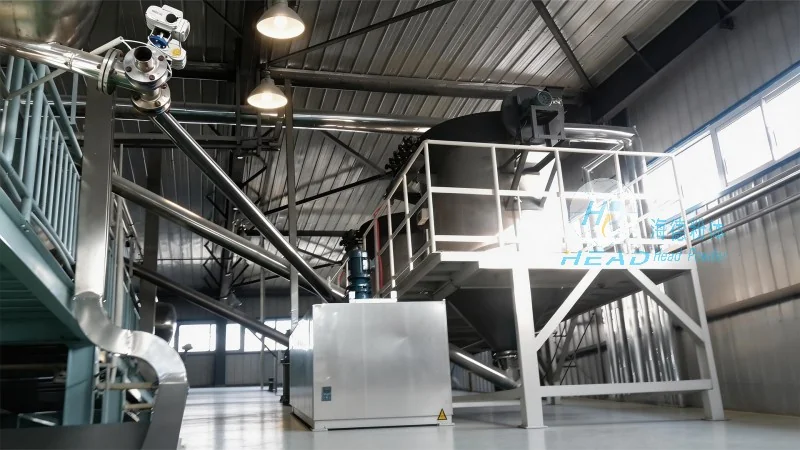
Several methods are commonly used for transporting PFA materials, each with distinct characteristics suited to specific operational requirements. The primary methods include rigid PFA piping systems, flexible PFA tubing, and specialized transport equipment. Rigid PFA piping is typically employed in high-pressure and high-temperature applications where structural integrity and leak prevention are paramount. This type of piping is often installed in fixed systems, such as chemical plants, pharmaceutical facilities, and semiconductor manufacturing lines. The rigid design provides excellent resistance to corrosion and chemical attack, ensuring long-term reliability.
Flexible PFA tubing, on the other hand, offers greater versatility in applications requiring movement or flexibility. It is commonly used in laboratory settings, pilot plants, and processes where equipment may need to be reconfigured or adjusted. The flexibility of PFA tubing reduces the risk of stress-related failures and allows for easier installation in confined spaces. Additionally, PFA tubing is often used in conjunction with connectors and fittings that facilitate quick assembly and disassembly, enhancing operational efficiency.
Advantages of PFA Piping Systems
PFA piping systems offer numerous advantages that make them a preferred choice for many industries. One of the most significant benefits is their exceptional chemical resistance. PFA can withstand exposure to a wide range of aggressive chemicals, including acids, bases, and solvents, without degradation. This property is particularly valuable in chemical processing, where the handling of hazardous substances is common. Furthermore, PFA exhibits excellent thermal stability, maintaining its mechanical properties over a broad temperature range, typically from -200°C to +260°C. This allows for use in both cryogenic and high-temperature applications, expanding the scope of its applications.
Another key advantage is the non-stick surface of PFA. This characteristic reduces the adhesion of materials to the pipe interior, minimizing fouling and ensuring smooth fluid flow. In processes where product buildup could impede flow or cause contamination, PFA piping helps maintain consistent performance. The material’s low coefficient of friction also contributes to energy efficiency, as it reduces the pressure drop in pipelines and minimizes the need for high pump pressures.

Transport Method Selection Criteria
The selection of an appropriate PFA transport method depends on several factors, including the application’s pressure and temperature requirements, the fluid being transported, and the system’s operational environment. For high-pressure and high-temperature applications, rigid PFA piping is generally preferred due to its strength and durability. In contrast, flexible PFA tubing may be more suitable for low-pressure or moderate-temperature applications where flexibility is required. The choice also considers the need for easy maintenance and system modifications. For instance, in research and development settings, the ability to quickly replace or adjust tubing is advantageous, whereas in large-scale industrial plants, the reliability and longevity of rigid piping may take precedence.
Installation and Maintenance Considerations
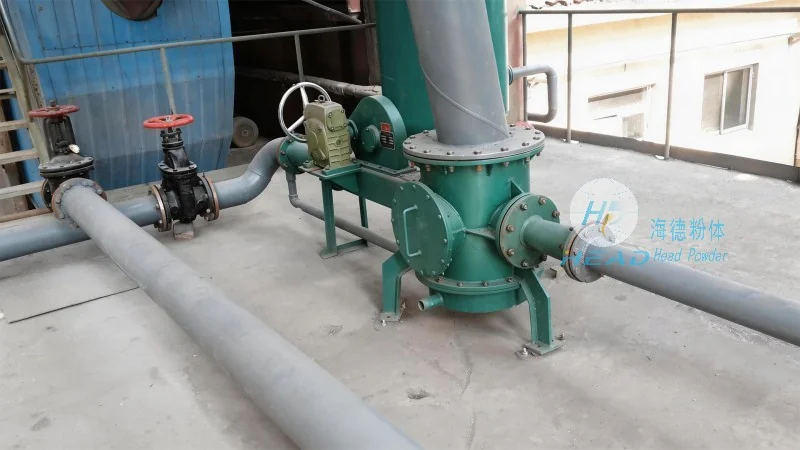
Proper installation and maintenance are critical to the long-term performance of PFA piping systems. Rigid PFA piping typically requires professional installation to ensure proper alignment and support, preventing stress on the pipe and fittings. The use of appropriate flanges, gaskets, and connectors is essential to maintain leak-free operation. Flexible PFA tubing, while more flexible, still requires careful handling to avoid kinking or damage, which could compromise its integrity. Regular inspection of PFA piping for signs of wear, corrosion, or degradation is recommended to identify and address issues before they lead to system failures.
Maintenance practices for PFA systems focus on cleaning and preventing contamination. Since PFA has a non-stick surface, it is relatively easy to clean, but it is important to avoid using abrasive materials that could scratch the interior. Chemical cleaning agents compatible with PFA should be used to remove any residues or deposits. Additionally, ensuring that the system is properly sealed and free from leaks is crucial for maintaining the integrity of the PFA material and preventing environmental contamination.
Conclusion
In conclusion, the choice of PFA piping and transport method is a critical decision that impacts the efficiency and reliability of industrial systems. Rigid PFA piping offers strength and durability for high-pressure applications, while flexible PFA tubing provides versatility for laboratory and moderate-temperature uses. The advantages of PFA, including chemical resistance, thermal stability, and non-stick properties, make it an excellent material for a wide range of applications. By considering the specific requirements of the application and adhering to proper installation and maintenance practices, industries can maximize the benefits of PFA piping systems and ensure long-term operational success. Shandong HeadPowder Engineering Co., Ltd. continues to provide high-quality PFA piping solutions to meet the evolving needs of its clients in Shandong, China, and beyond.