

Which Methods for Furfural Residue Transport?
Furfural residue, a byproduct from the furfural production process, requires efficient and reliable transport solutions to ensure smooth industrial operations. The proper selection of transport methods is crucial for maintaining productivity, minimizing operational costs, and ensuring environmental compliance. This article explores various methods that can be employed for furfural residue transport, providing insights into the most suitable options for different industrial applications.

Understanding Furfural Residue and Its Transport Challenges
Furfural, a chemical compound derived from agricultural byproducts like corn cobs or oat hulls, is produced through a distillation process. The residue left after this process consists of solid and semi-solid materials that need to be transported to disposal or recycling facilities. The challenges in transporting furfural residue include its abrasive nature, potential moisture content, and the need for equipment that can handle high volumes without frequent maintenance or breakdowns. These factors make the choice of transport method critical for industrial plants operating in the furfural sector.
Common Transport Methods for Furfural Residue
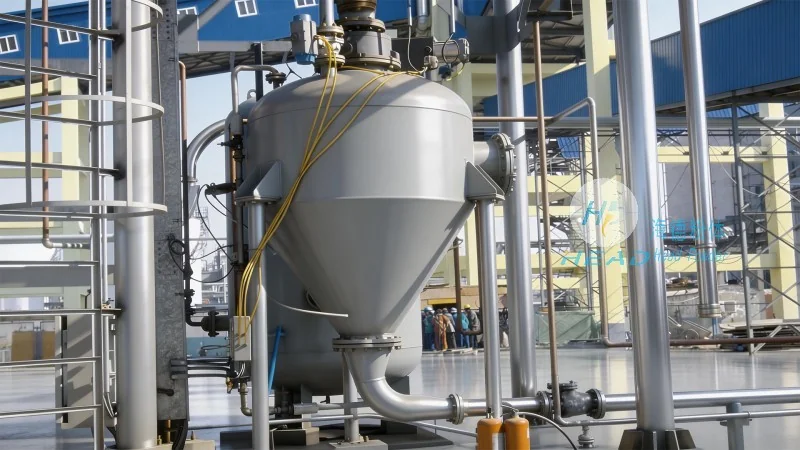
Several transport methods are commonly used in the industry to handle furfural residue. Each method has its advantages and is suitable for different scenarios based on the plant's layout, residue characteristics, and operational requirements. The primary methods include pipeline transport, belt conveyor systems, and bucket elevators.
Pipeline Transport for Furfural Residue
Pipeline transport is a widely adopted method for moving furfural residue, especially in plants where the residue is in a slurry or semi-liquid state. This method involves pumping the residue through a network of pipes using centrifugal pumps or positive displacement pumps. The advantages of pipeline transport include continuous operation, minimal labor requirements, and the ability to transport large volumes over long distances. However, it requires careful design to prevent clogging and corrosion, as furfural residue can be abrasive and may contain particles that could damage pipe interiors. Proper pipeline materials, such as stainless steel or specialized coatings, are essential to ensure durability and longevity.
Belt Conveyor Systems for Furfural Residue Handling
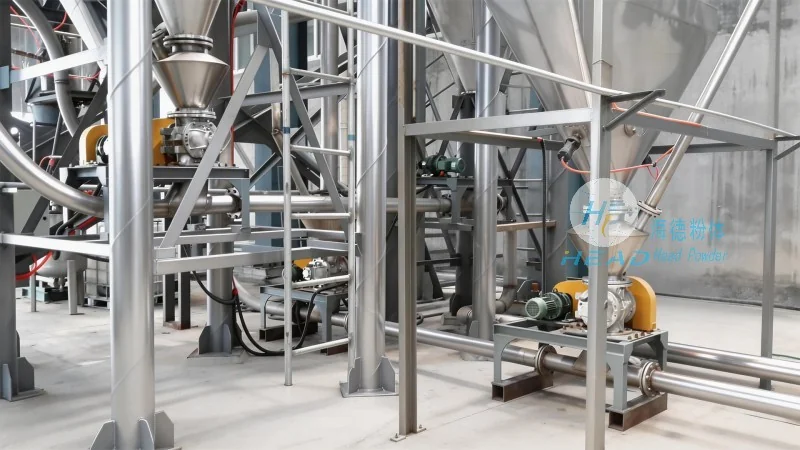
Belt conveyor systems are another popular choice for transporting furfural residue, particularly when the material is in a dry or semi-dry form. These systems consist of a continuous belt that moves over rollers or pulleys, carrying the residue from one location to another. Belt conveyors are known for their high capacity, low maintenance, and ability to handle a wide range of materials, including abrasive ones like furfural residue. They are suitable for both horizontal and inclined transport, making them versatile for various plant layouts. The key to effective belt conveyor operation is regular maintenance, including belt tension checks and pulley alignment, to prevent downtime and ensure consistent performance.
Bucket Elevators for Vertical Transport of Furfural Residue
For vertical transport of furfural residue, bucket elevators are often employed. These systems use a vertical or inclined conveyor with buckets attached to a chain or belt, which lift the residue from a lower to a higher level. Bucket elevators are ideal for applications where space is limited or where the residue needs to be elevated to a higher point for processing or disposal. They offer high efficiency and can handle large volumes of material with minimal space requirements. However, they require careful installation and maintenance to ensure smooth operation and prevent bucket damage or chain breakage, which can lead to operational disruptions.
Choosing the Right Transport Method for Your Facility
The selection of the most appropriate transport method for furfural residue depends on several factors, including the physical properties of the residue, the distance it needs to be transported, the available space in the plant, and the budget constraints. It is essential to conduct a thorough analysis of these factors before making a decision. For instance, if the residue is in a slurry form and needs to be moved over long distances, pipeline transport may be the most efficient option. Conversely, if the residue is dry and needs to be moved over short distances horizontally, a belt conveyor system could be more cost-effective. Additionally, the environmental regulations in the region may influence the choice, as some methods may require additional equipment for dust control or emission reduction.

Role of Shandong HeadPowder Engineering Co., Ltd. in Furfural Residue Transport Solutions
Shandong HeadPowder Engineering Co., Ltd., a leading provider of industrial engineering solutions, specializes in designing and implementing transport systems tailored to the needs of furfural production plants. With years of experience in the industry, the company understands the unique challenges associated with furfural residue transport and offers customized solutions that enhance operational efficiency and reduce costs. HeadPowder's expertise includes the selection of appropriate equipment, such as pipelines, belt conveyors, and bucket elevators, as well as the integration of these systems into existing plant infrastructure. The company's team of engineers works closely with clients to assess their specific requirements and develop optimal transport solutions that meet both functional and regulatory standards. By partnering with HeadPowder, furfural production facilities can ensure reliable and cost-effective transport of their residue, contributing to overall operational success.
Conclusion
In conclusion, the transport of furfural residue is a critical aspect of furfural production operations, and the choice of transport method significantly impacts the efficiency and cost-effectiveness of the process. Whether through pipeline transport, belt conveyors, or bucket elevators, each method has its strengths and is suitable for different scenarios. The key to successful residue transport lies in understanding the material's characteristics, assessing the operational requirements, and selecting the right equipment. With the right approach and the support of experienced engineering firms like Shandong HeadPowder Engineering Co., Ltd., furfural production plants can optimize their residue transport processes, ensuring smooth operations and compliance with industry standards.