

Common Methods for Artificial Graphite Conveyance
Artificial graphite, a critical material in various industrial applications, requires efficient and reliable conveyance methods to ensure smooth operation and material integrity. The choice of conveyance method depends on factors such as material properties, production scale, and operational environment. This article explores the common methods used for artificial graphite conveyance, highlighting their applications and advantages.
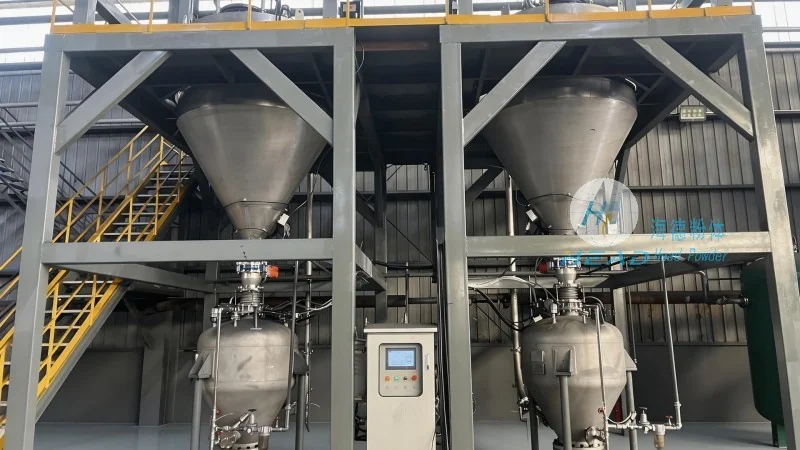
Overview of Artificial Graphite Conveyance
Artificial graphite, also known as synthetic graphite, is produced through processes like carbonization and graphitization, resulting in a material with high electrical conductivity, thermal stability, and mechanical strength. Its unique properties make it indispensable in sectors like battery manufacturing, lubrication, and refractory production. Effective conveyance is essential to maintain the quality of the material and minimize downtime in production lines. The methods used for artificial graphite conveyance are tailored to handle the material's characteristics, such as its fine particle size, high density, and potential for dust generation.
Common Conveyance Methods for Artificial Graphite
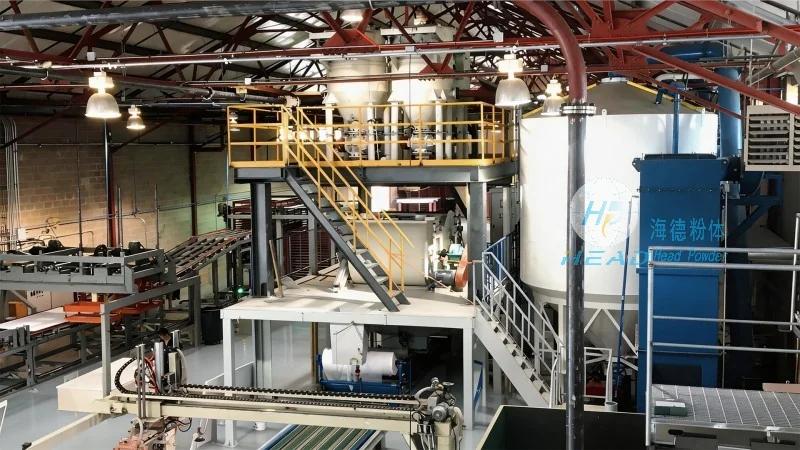
Several methods are commonly employed to transport artificial graphite, each with distinct advantages and applications. The selection of a method depends on the specific requirements of the production process, including the volume of material, the distance to be conveyed, and the need for contamination control. Below are some of the most prevalent methods used by industries dealing with artificial graphite.
Mechanical Conveyance Systems
Mechanical conveyance systems utilize physical components like belts, screws, and buckets to move artificial graphite. These systems are widely used due to their reliability and ability to handle large volumes of material. For instance, belt conveyors are effective for transporting graphite over short to medium distances, while screw conveyors are suitable for vertical or inclined transport. The mechanical nature of these systems ensures minimal material degradation and allows for precise control over the flow rate. Companies like Shandong HeadPowder Engineering Co., Ltd., a leading provider in the field, often integrate these systems into their clients' production lines to enhance efficiency.
Gas-Powered Conveyance (Pneumatic Conveying)
Pneumatic conveying, or gas-powered conveyance, uses air or other gases to transport artificial graphite particles through a pipeline. This method is particularly advantageous for handling fine or dusty materials, as it minimizes the risk of material loss and contamination. There are two main types of pneumatic conveying: dilute-phase and dense-phase. Dilute-phase systems use low air velocities to move material, making them suitable for long-distance transport. Dense-phase systems, on the other hand, use higher air velocities and lower material concentrations, which is ideal for transporting sensitive materials like artificial graphite without causing degradation. The flexibility of pneumatic systems allows for integration with existing production equipment, making them a popular choice in modern industrial settings.

Gravity Conveyance
Gravity conveyance relies on the natural force of gravity to move artificial graphite from one location to another. This method is typically used for short horizontal or inclined distances where the material can flow freely. Chutes and troughs are common components in gravity conveyance systems, allowing the material to slide down under the influence of gravity. This approach is energy-efficient and requires minimal maintenance, making it an attractive option for low-volume or low-speed applications. However, it is less suitable for long distances or when precise control over the flow rate is needed. The simplicity of gravity conveyance makes it a cost-effective solution for certain production scenarios.
Hybrid Conveyance Systems
In many industrial applications, a combination of the above methods is used to achieve optimal conveyance. Hybrid systems may integrate mechanical and pneumatic components to address the limitations of each individual method. For example, a system might use a screw conveyor to feed material into a pneumatic pipeline, ensuring efficient transport over longer distances. This approach allows for flexibility in handling different material characteristics and operational conditions. Companies specializing in artificial graphite processing, such as HeadPowder (Shandong HeadPowder Engineering Co., Ltd.), often design and implement hybrid systems tailored to their clients' specific needs, ensuring maximum efficiency and material integrity.
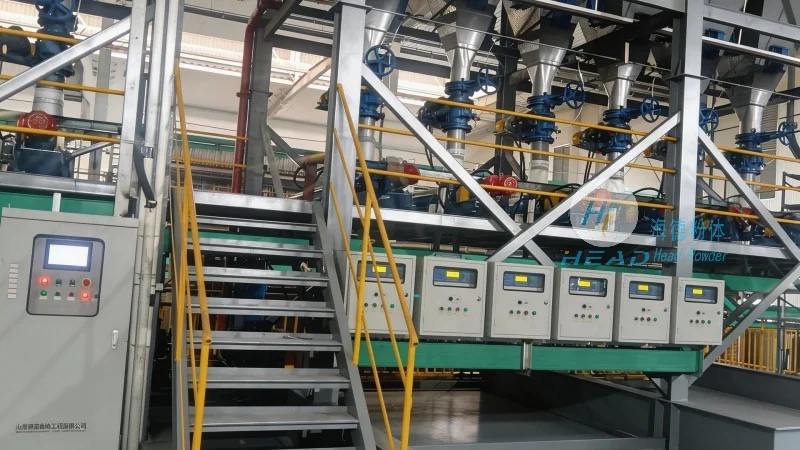
Key Considerations for Artificial Graphite Conveyance
When selecting a conveyance method for artificial graphite, several factors must be considered to ensure the best results. Material properties, such as particle size distribution and moisture content, play a crucial role in determining the appropriate system. The scale of production, including the volume of material to be transported, also influences the choice of equipment. Additionally, environmental factors, such as the need for dust control and safety measures, must be addressed. Proper maintenance and regular inspections are essential to prevent system failures and ensure consistent performance. By carefully evaluating these factors, industries can select the most suitable conveyance method for their artificial graphite processing needs.
Conclusion
Efficient conveyance of artificial graphite is vital for maintaining the quality and integrity of this critical material. The common methods discussed, including mechanical, pneumatic, and gravity conveyance, each offer unique advantages and are suitable for different applications. Companies like Shandong HeadPowder Engineering Co., Ltd. play a key role in providing tailored conveyance solutions that meet the specific requirements of their clients. By understanding the characteristics of artificial graphite and the capabilities of each conveyance method, industries can optimize their production processes and enhance overall operational efficiency.