

Common Methods for PTA Conveying
When it comes to the efficient and reliable transportation of Purified Terephthalic Acid (PTA), various methods are employed across industrial settings. Understanding these common conveyance techniques is crucial for optimizing production processes and ensuring safety in handling this vital chemical intermediate. This article explores the primary methods used for PTA conveying, providing insights into their applications and benefits.
Overview of PTA Conveying Systems
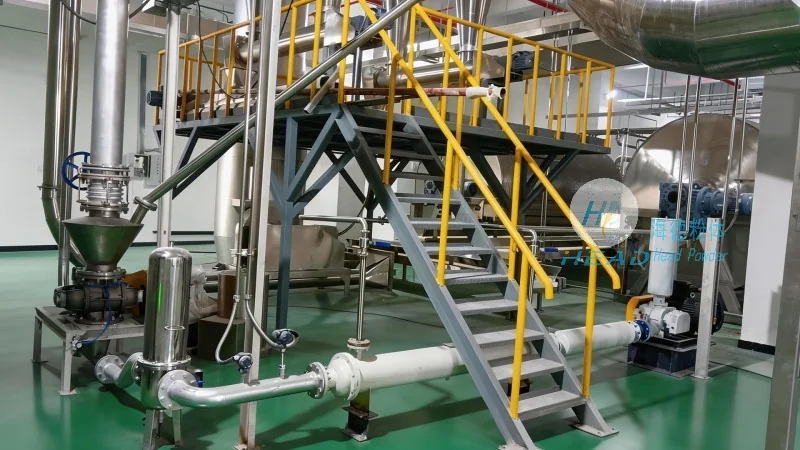
Purified Terephthalic Acid (PTA) is a key raw material in the production of polyester fibers and resins. Its transportation requires specialized equipment and methods to maintain product integrity and operational efficiency. The choice of conveying system depends on factors such as the scale of operation, the distance to be covered, and the specific characteristics of the PTA being handled. Common methods include pneumatic conveying, belt conveying, and pipeline conveying, each with distinct advantages and limitations.
Pneumatic Conveying: The Air-Driven Solution
Pneumatic conveying uses air or other gases to transport PTA particles through a closed system of pipes. This method is particularly effective for handling fine or dusty PTA powders, as it minimizes product contamination and dust exposure. There are two main types of pneumatic conveying: pressure and vacuum systems. Pressure systems force air through the pipe, pushing the PTA material forward, while vacuum systems create a negative pressure to draw the material into the system. Pneumatic conveying offers advantages such as low maintenance, flexibility in layout, and the ability to transport PTA over long distances without the need for multiple transfer points. However, it may require higher energy consumption and careful control of air pressure to prevent material degradation or blockages.
Belt Conveying: The Mechanical Powerhouse

Belt conveying employs a continuous belt that moves PTA material along a fixed path. This method is widely used in bulk material handling due to its high capacity and durability. The belt is typically made of rubber or synthetic materials, designed to withstand the abrasive nature of PTA particles. Belt conveyors can be configured in various forms, including horizontal, inclined, or combination systems, allowing for vertical and horizontal movement of the material. They are particularly suitable for transporting larger PTA pellets or granules, as the belt can handle higher volumes and maintain consistent speed. Belt conveying systems are known for their reliability and low operational costs, making them a preferred choice for many industrial applications. However, they may require regular maintenance to ensure the belt remains in good condition and to prevent material spillage or blockages at transfer points.
Pipeline Conveying: The Modern Approach
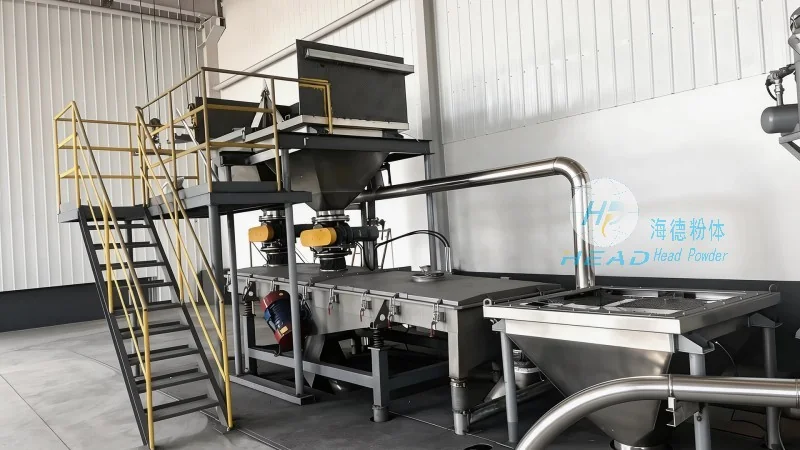
Pipeline conveying, also known as slurry or liquid-phase conveying, involves transporting PTA in a liquid medium, such as water or a carrier fluid. This method is ideal for handling PTA in a dissolved or suspended state, often used in processes where the material needs to be mixed with other substances before further processing. The pipeline system consists of a closed loop with pumps and valves to control the flow of the PTA slurry. This approach allows for continuous and automated transportation, reducing labor costs and improving process control. Pipeline conveying is particularly effective for long-distance transport, as it can handle large volumes with minimal energy loss. However, it requires careful management of the liquid medium to prevent clogging or corrosion of the pipeline and to maintain the quality of the PTA solution.
Factors Influencing the Choice of Conveying Method
The selection of a PTA conveying method is influenced by several key factors, including the physical properties of the PTA, the scale of the operation, and the environmental considerations. For example, fine PTA powders are better suited for pneumatic conveying due to their low density and tendency to create dust, while larger pellets may be more efficiently handled by belt conveyors. The distance between the source and destination also plays a role, as pneumatic systems are more suitable for long distances, whereas belt conveyors may be preferred for shorter, horizontal transport. Additionally, the need for product purity and minimal contamination often dictates the choice of a closed system like pneumatic or pipeline conveying, rather than open belt systems.
Company Profile: Shandong HeadPowder Engineering Co., Ltd.
Shandong HeadPowder Engineering Co., Ltd., commonly known as HeadPowder, is a leading provider of engineering solutions for bulk material handling, including PTA conveying systems. With a focus on innovation and quality, HeadPowder offers customized conveying solutions tailored to the specific needs of its clients. The company’s expertise lies in designing and manufacturing efficient and reliable PTA conveying equipment, ensuring that clients can optimize their production processes while maintaining product integrity. HeadPowder’s commitment to customer satisfaction and technical excellence has made it a trusted partner in the chemical and textile industries. The company’s facilities are located in Shandong, China, where it leverages local resources and expertise to deliver high-quality products and services to a global market.